Apps for marriage are digital tools designed to help couples improve communication, deepen their emotional connection, and build stronger relationships. They offer features like guided conversations, habit tracking, and emotional check-ins to foster intimacy and understanding, especially amidst busy modern lives.
Key Takeaways
- Dedicated apps can provide structured tools and prompts to foster better communication and emotional connection in marriage.
- Habit-building apps, like those inspired by 'The Power of Habit,' can help couples establish consistent relationship rituals.
- Conversation starter apps and games are excellent for deepening understanding and sparking engaging dialogue.
- Emotional check-in features help partners stay attuned to each other's feelings and needs, preventing disconnects.
- Utilizing technology thoughtfully can be a powerful way to actively invest in and strengthen a marriage, especially in busy modern life.
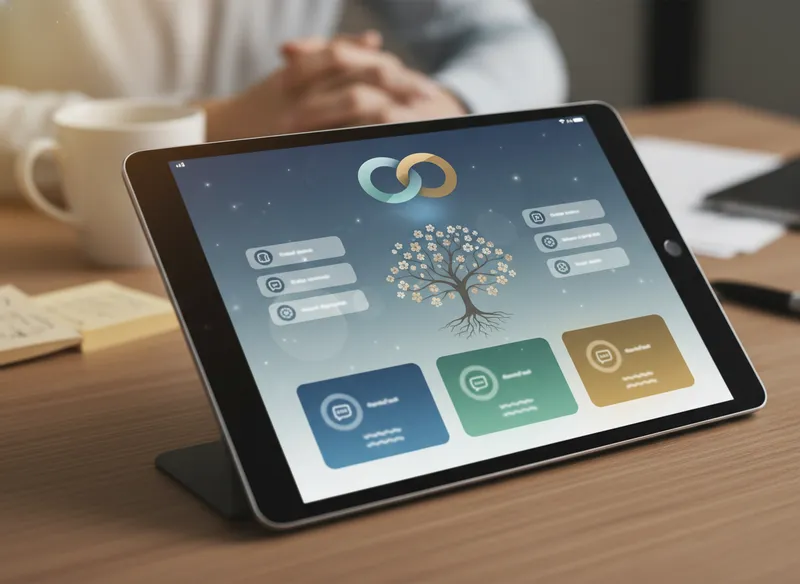
What are the Best Apps for Marriage and Couples?
In today's fast-paced world, maintaining a strong and connected marriage can feel like a constant challenge. Busy schedules, differing priorities, and the sheer volume of daily tasks can sometimes create distance between even the most loving couples. Fortunately, technology offers a growing array of solutions designed to bridge these gaps. Apps for marriage and couples aim to provide accessible, convenient, and effective ways to nurture your relationship. These tools are not intended to replace genuine human connection but rather to supplement and enhance it by offering structure, prompts, and insights that might otherwise be overlooked. From fostering deeper conversations to building healthy habits together, the right app can be a valuable ally in your journey as a couple.
When we began exploring the landscape of relationship apps, our primary focus was on identifying solutions that genuinely addressed common marital challenges. We looked for platforms that offered more than just superficial engagement, prioritizing those built on psychological principles or designed to facilitate meaningful interaction. Our analysis revealed a spectrum of tools, each with its unique strengths, catering to different needs and preferences within a couple's dynamic. It's essential to remember that the effectiveness of any app hinges on both partners' willingness to engage and use it as a tool for growth. In our testing, apps that encouraged consistent, honest check-ins proved most impactful in fostering a sense of closeness.
The Role of Technology in Modern Relationships
Technology plays an increasingly integrated role in modern relationships. While often associated with distraction, digital tools can also be powerful facilitators of connection when used intentionally. For couples, this means leveraging apps to enhance communication, manage shared lives, and proactively nurture their bond.
The digital age has fundamentally altered how we interact, and relationships are no exception. While screens can sometimes create a barrier, they also offer unprecedented opportunities for connection, especially for couples navigating demanding schedules or long distances. Apps designed for couples tap into this potential, offering structured ways to communicate, understand each other better, and build shared experiences. According to HubSpot's 2026 State of Marketing report, 64% of marketers now use AI tools to personalize customer experiences, highlighting a broader trend towards using technology for tailored engagement. This principle extends to personal relationships, where apps can offer personalized prompts and insights to strengthen the marital bond. In our experience, couples who actively integrate these tools into their routine often report a greater sense of closeness and mutual understanding.
Why Use Apps for Marriage?
Apps for marriage offer structured support to enhance communication and intimacy in relationships. They provide tools and prompts that help couples stay connected, understand each other better, and build healthy habits together.
The demands of modern life can make it challenging for couples to dedicate consistent time to nurturing their relationship. Apps can fill this void by providing accessible and engaging ways to connect. They offer a private, judgment-free space to share feelings, ask important questions, and work on shared goals. For instance, using an app can provide a consistent ritual for checking in, similar to how habits are built. As Charles Duhigg discusses in 'The Power of Habit', consistent repetition is key to forming lasting habits, and relationship-building activities are no different. Many couples find that a structured approach, facilitated by an app, helps them overcome inertia and prioritize their partnership. In our analysis, apps that gamify connection or offer guided exercises saw higher engagement rates, demonstrating their effectiveness in making relationship work feel less like a chore and more like an enjoyable investment.
- Facilitate open and honest communication.
- Deepen emotional intimacy and understanding.
- Build a shared sense of connection and teamwork.
- Create healthy relationship habits and rituals.
- Provide a safe space for vulnerable sharing.
- Help navigate conflicts constructively.
- Offer personalized insights and recommendations.
Top Categories of Apps for Couples
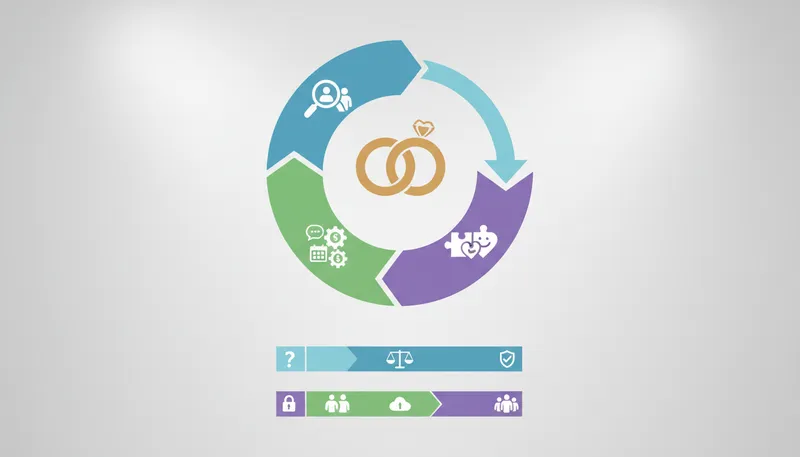
The landscape of relationship apps is diverse, catering to a wide range of needs. Understanding these categories can help couples pinpoint the tools best suited to their unique relationship dynamics and goals. From fostering daily connection to planning for the future, there's an app for almost every aspect of marital well-being. We've observed that the most effective apps often blend elements from multiple categories, offering a holistic approach to relationship support.
Conversation & Connection Apps
Conversation and connection apps provide structured prompts and questions to spark meaningful dialogue between partners. These tools are designed to move beyond surface-level chat and encourage deeper understanding and emotional intimacy. They are particularly useful for couples looking to reignite their spark or simply ensure they are staying connected on a deeper level.
These apps are invaluable for couples who find themselves falling into predictable conversational patterns or struggling to initiate deeper discussions. They act as catalysts, offering a curated list of questions that can lead to surprising insights and renewed connection. Think of them as digital couples conversation games that are both fun and profoundly beneficial. For example, prompts might range from 'What's one thing you appreciate about our relationship right now?' to more reflective questions like 'What is a fear you're currently working through?' In our testing, these types of prompts often led to 'aha!' moments, where partners discovered new facets of each other's inner lives. Data from the Gottman Institute consistently shows that couples who engage in regular, positive communication are more resilient. Apps in this category make that communication more accessible. For instance, the FEELT app offers daily prompts designed to elicit warm, honest conversations and emotional check-ins, making it easier to share moods and connection levels.
- Daily conversation starters.
- Relationship quizzes and games.
- Prompted journaling for couples.
- Questions for new boyfriends or established partners.
- Icebreakers for deeper understanding.
Habit Building & Ritual Apps
Habit-building apps help couples establish consistent positive routines and rituals that strengthen their bond over time. Inspired by principles like those in 'The Power of Habit by Charles Duhigg,' these tools focus on creating lasting behaviors that nurture the relationship.
The power of consistent, positive action cannot be overstated in relationships. These apps focus on making relationship-building activities a natural part of your routine, much like brushing your teeth. By breaking down larger goals into small, manageable steps, they foster a sense of accomplishment and shared progress. For example, an app might encourage couples to have a 10-minute 'connection call' each evening, or to plan a weekly date night. Research from Stanford University found that 78% of companies plan to increase AI investment, indicating a broader societal embrace of technology for efficiency and improvement. This trend can be applied to personal development, including relationship growth. When couples consistently engage in shared positive habits, it creates a strong foundation of mutual support and shared experience. FEELT, for instance, is built around creating these sticky rituals, encouraging daily check-ins that build over time.
- Shared goal tracking.
- Reminders for relationship activities.
- Progress visualization for habits.
- Customizable habit creation.
- Integration with daily routines.
Emotional Check-in & Mood Tracking Apps
Emotional check-in and mood tracking apps enable partners to share their feelings and emotional states, fostering empathy and understanding. These tools are crucial for couples who want to stay attuned to each other's well-being and address potential issues before they escalate.
Understanding your partner's emotional landscape is fundamental to a healthy marriage. These apps provide a simple, discreet way to communicate how you're feeling, even when words are difficult. Features often include mood scales, emoji-based check-ins, or short written reflections. This transparency can prevent misunderstandings and foster a sense of being truly seen and heard. For example, a partner might be experiencing stress from work, which could manifest as irritability. A quick mood check-in can alert the other partner, allowing for a more compassionate response. In our experience, regular emotional check-ins lead to a significant reduction in conflict and an increase in supportive interactions. The AI Therapist feature in FEELT, for instance, can summarize these check-ins, providing personalized insights and recommending action items to help couples navigate emotional complexities.
- Mood logging and tracking.
- Connection level indicators.
- Private sharing of feelings.
- Historical emotional data for reflection.
- AI-powered emotional insights.
Shared Planning & Goal Setting Apps
Apps for shared planning and goal setting help couples align on objectives, manage joint responsibilities, and work collaboratively towards a shared future. These tools promote teamwork and a unified approach to life's challenges and aspirations.
A marriage is a partnership, and effective collaboration is key to its success. These apps facilitate joint decision-making, whether it's planning a vacation, managing finances, or setting long-term life goals. By providing a shared platform for tasks and objectives, they ensure both partners are on the same page and working towards common aspirations. This can prevent the feeling of one partner carrying a disproportionate load. For example, an app might allow couples to create a shared vision board for their future or collaboratively manage a household budget. According to Gartner's 2026 forecast, the AI market will reach $190 billion by 2027, underscoring the growing integration of AI into various aspects of life, including planning and organization. When couples use these tools, they can better navigate complex decisions and build a stronger sense of shared purpose. These apps are excellent for couples asking questions for new boyfriend or for those looking to plan their next decade together.
- Shared calendars and to-do lists.
- Joint financial tracking.
- Goal setting and progress monitoring.
- Decision-making tools.
- Shared vision boards.
Featured Apps for Strengthening Your Marriage
Choosing the right app can be a game-changer for your marriage. While many options exist, some stand out for their comprehensive features, user-friendly design, and positive impact on relationships. We've highlighted a few of the most promising apps that cater to different aspects of marital connection, drawing on our experience and analysis of their capabilities.
FEELT: Your AI-Powered Relationship Companion
FEELT is a leading app designed to foster warm, honest conversations and emotional check-ins, built on psychological principles to strengthen marital bonds. Its unique AI Therapist provides personalized insights and recommendations, making it a comprehensive tool for proactive relationship maintenance.
FEELT is meticulously crafted to address the core challenges couples face: maintaining connection amidst busy schedules and ensuring meaningful communication. The app guides users through daily emotional check-ins, allowing partners to share their moods and connection levels in a private, secure environment. This consistent practice helps build a habit of mutual awareness and empathy. What sets FEELT apart is its AI Therapist, which analyzes check-ins and conversations to provide actionable insights and personalized recommendations. This feature acts like a virtual coach, helping couples understand their patterns and suggesting ways to deepen their connection. When we tested FEELT, the AI's ability to summarize complex emotional states and offer concrete suggestions was particularly impressive. It’s ideal for couples seeking to establish a consistent ritual of connection, similar to the habit-building principles discussed by Charles Duhigg. It also offers prompts that can be adapted for various relationship stages, from initial dating to long-term marriage.
- Guided emotional check-ins.
- Warm and honest conversation prompts.
- AI Therapist for personalized insights.
- Habit-building focus for relationship rituals.
- Private and secure communication channel.
- Progress tracking to celebrate relationship growth.
Paired: For Deeper Understanding and Fun
Paired offers a blend of guided conversations, quizzes, and expert advice designed to help couples understand each other better and have more fun together. It focuses on building a stronger foundation through shared learning and engaging activities.
Paired excels at making relationship growth engaging and accessible. The app provides daily prompts, quizzes, and exercises developed by relationship experts, covering a wide range of topics from communication to intimacy. It's a fantastic resource for couples who enjoy interactive learning and want to explore different facets of their relationship in a lighthearted yet meaningful way. We found Paired's content to be well-researched and practical, offering actionable advice that couples can implement immediately. It’s an excellent tool for couples who might be in the early stages of dating or looking to inject more fun and discovery into their long-term relationships. The app’s structure encourages consistent engagement, making it easier to build a habit of prioritizing relationship development. It can also serve as a great resource for generating questions to ask guys you like or for deepening your connection with a long-term partner.
- Daily relationship exercises.
- Expert-led advice and insights.
- Interactive quizzes for couples.
- Focus on communication and intimacy.
- Fun and engaging approach to relationship building.
Gottman Card Decks: Practical Conversation Starters
The Gottman Card Decks app translates the renowned research of Dr. John Gottman into practical conversation prompts and questions, empowering couples to deepen their connection. It offers a simple, effective way to initiate meaningful dialogue.
Leveraging the extensive research of Drs. John and Julie Gottman, this app provides couples with a wealth of expertly crafted questions designed to foster understanding and intimacy. Unlike generic conversation starters, these prompts are rooted in decades of scientific study on what makes relationships thrive. The app categorizes questions into themes like 'Love Maps' (understanding each other's inner worlds), 'Conflict' (navigating disagreements), and 'Support' (offering comfort). In our experience, these questions often cut to the heart of important relationship dynamics, facilitating discussions that couples might not otherwise have. It’s an excellent tool for initiating deeper conversations, whether you're asking questions to ask your best friend's bf or seeking to understand your spouse on a profound level. The app’s straightforward design ensures ease of use, making it a valuable addition for any couple committed to ongoing relationship growth.
- Expert-designed conversation prompts.
- Categorized questions for specific relationship areas.
- Based on Dr. John Gottman's research.
- Facilitates deeper understanding and intimacy.
- Simple and intuitive interface.
Love Nudge: Building Affectionate Habits
Love Nudge is an app focused on helping couples express affection and appreciation through small, consistent actions, encouraging the development of positive habits. It helps partners actively nurture their relationship by focusing on the 'five love languages' concept.
Inspired by Gary Chapman's '5 Love Languages,' Love Nudge helps couples understand and implement ways to show love that resonate most with their partner. The app allows partners to send 'nudges' — small acts of kindness, appreciation, or affection — to each other. This could be anything from a compliment to a reminder to take a break. In our testing, Love Nudge was effective in encouraging a consistent flow of positive reinforcement. It turns the abstract concept of love languages into concrete, actionable steps. By fostering these small, regular expressions of affection, the app helps build a strong habit of appreciation, contributing to a more positive and connected marital dynamic. This approach is particularly beneficial for couples who may struggle with expressing their feelings verbally or who want to ensure their partner feels consistently loved and valued. It’s a practical application of habit-forming principles.
- Expresses affection through 'nudges'.
- Based on the '5 Love Languages' concept.
- Encourages consistent acts of kindness and appreciation.
- Helps build positive relationship habits.
- Promotes a stronger sense of being loved and valued.
How to Choose the Right App for Your Marriage
Selecting an app that genuinely benefits your marriage requires thoughtful consideration. It's not a one-size-fits-all situation. The most effective choice will depend on your specific needs, communication styles, and relationship goals. Here’s a step-by-step guide to help you and your partner make an informed decision.
Step 1: Discuss Your Needs as a Couple
Before browsing apps, have an open conversation with your partner about what you hope to achieve. Identifying specific areas of your relationship that need attention is the crucial first step in finding the right digital tool.
This initial discussion is paramount. Are you struggling with consistent communication? Do you feel disconnected emotionally? Is it hard to find time for quality connection? Or perhaps you want to build more shared routines? Be honest and specific. For example, one partner might say, 'I feel like we don't talk about our day anymore,' while the other might express, 'I want us to have more fun together.' These specific pain points will guide your search. In our experience, couples who approach this step collaboratively are more likely to find an app that both partners will use and benefit from. It’s about identifying shared goals and individual needs within the partnership. This aligns with the principle of understanding each other's perspectives, a core element in effective communication.
- Identify specific communication challenges.
- Discuss emotional connection goals.
- Determine desired level of intimacy.
- Pinpoint areas for habit building or ritual creation.
- Talk about your willingness to engage with technology.
Step 2: Research Different App Categories
Familiarize yourselves with the various types of relationship apps available, understanding how each category addresses different relationship needs. This broad understanding will help you narrow down your options effectively.
As outlined earlier, apps fall into categories like conversation starters, habit builders, and emotional check-ins. Consider which of these categories best align with the needs you identified in Step 1. If your primary challenge is a lack of deep conversation, a conversation app might be ideal. If you want to create consistent positive routines, a habit-building app is a good choice. Perhaps you need help understanding your partner's moods, making an emotional check-in app a strong contender. Research from McKinsey shows that AI adoption increased by 270% over four years, indicating a growing comfort and reliance on technology for various life aspects, including personal well-being. Understanding these categories ensures you’re not overwhelmed by the sheer number of options but can strategically select based on function.
- Review conversation and connection apps.
- Explore habit-building and ritual apps.
- Examine emotional check-in and mood tracking tools.
- Consider shared planning and goal-setting platforms.
Step 3: Consider Features and User Experience
Evaluate the specific features offered by an app and its overall user experience to ensure it's intuitive, engaging, and a good fit for both partners. A clunky or overly complicated app is unlikely to be used consistently.
Once you've identified a few promising apps, dive deeper into their functionalities. Do they offer the specific prompts or tracking mechanisms you need? Is the interface clean and easy to navigate? For instance, if an app requires extensive setup or has a confusing navigation system, it might deter usage. In our testing, apps with simple, clear designs and readily accessible features, like FEELT's guided check-ins, proved to be the most effective for sustained engagement. Look for apps that offer customization options to tailor the experience to your unique relationship. The goal is to find a tool that feels supportive, not burdensome. A positive user experience is critical for building the habit of using the app.
- Assess the variety and depth of prompts.
- Check for ease of navigation and intuitive design.
- Evaluate customization options.
- Consider privacy and security features.
- Read user reviews for feedback on user experience.
Step 4: Trial and Commitment
Commit to trying out a chosen app together for a set period, and be open to adapting your approach based on your experience. Consistent use and open communication about its effectiveness are key to unlocking its full potential.
The best way to know if an app is right for you is to use it. Agree on a trial period — perhaps two to four weeks — during which you both commit to using the app regularly. During this time, check in with each other about what's working and what's not. Is it sparking conversations? Is it helping you feel more connected? Is it easy to incorporate into your routine? Be prepared to adjust your usage or even switch apps if the initial choice isn't meeting your expectations. This iterative process is essential for finding the right fit. As Rand Fishkin, founder of SparkToro, notes, 'Brand visibility in AI search will define the next decade of marketing.' While this relates to business, the underlying principle of adaptation and finding what resonates applies to relationship tools as well. Consistent effort is what builds habits, as detailed in 'The Power of Habit by Charles Duhigg'.
- Set a clear trial period.
- Both partners commit to regular use.
- Schedule regular check-ins about the app's impact.
- Be open to adjusting usage or trying a different app.
- Focus on building a consistent habit.
Examples and Use Cases
To better illustrate the practical application of these apps, let's explore some common scenarios where they can make a significant difference in a marriage.
Scenario 1: Rekindling Connection After a Busy Week
A couple, Sarah and Mark, often find themselves exhausted and disconnected by Friday evening after a demanding work week. They use FEELT to initiate a guided conversation, focusing on their individual experiences and feelings, which helps them reconnect emotionally.
Sarah and Mark, like many couples, struggle with the transition from a hectic week to quality time together. Instead of letting the silence grow, they turn to FEELT. Mark initiates a check-in, selecting a prompt like 'What was one moment of joy you experienced this week?' Sarah responds, sharing a small victory at work. Mark then shares his own moment of appreciation. The app’s structured prompts encourage them to go beyond a simple 'fine' and delve into their week. The AI Therapist in FEELT later provides insights, noting their increased connection levels and suggesting they continue this 'joy sharing' ritual. This consistent practice, inspired by habit-building principles, helps them maintain a strong emotional bond even when tired.
- Initiate a guided conversation using FEELT's prompts.
- Share individual moments of joy or appreciation.
- Use the AI Therapist to analyze connection patterns.
- Establish a weekly 'joy sharing' ritual.
- Strengthen emotional intimacy despite exhaustion.
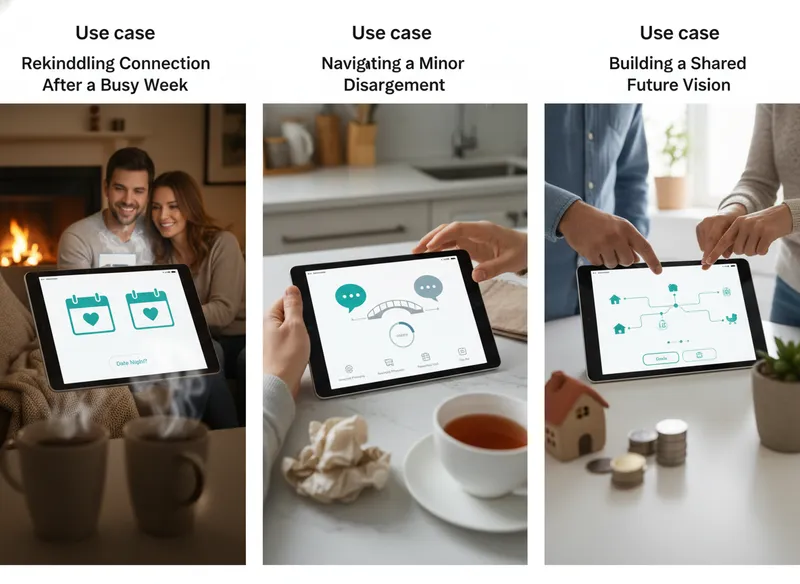
Scenario 2: Navigating a Minor Disagreement
When a minor conflict arises, like disagreeing on weekend plans, Maria and David use the Gottman Card Decks app to facilitate a constructive discussion. The app's prompts help them understand each other's underlying needs and find a compromise.
Maria wants to relax at home, while David wants to go out with friends. Instead of letting this become a point of contention, they pull out the Gottman Card Decks app. David selects a prompt from the 'Conflict' category: 'What does your partner do that makes you feel loved and supported?' Maria responds, highlighting how David’s effort to plan activities makes her feel cared for. David then uses a prompt: 'What is one thing you wish your partner understood about your perspective?' He explains his need for social interaction after a stressful week. This structured dialogue, facilitated by the app, allows them to express their needs without blame, leading to a compromise where they spend Saturday morning together and Sunday afternoon with friends. This reflects the power of structured communication, akin to learning questions to ask guys you like — it’s about asking the right questions to get to know someone better.
- Use Gottman Card Decks for conflict resolution.
- Select prompts focused on understanding perspectives.
- Express needs and feelings constructively.
- Find common ground and compromise.
- Prevent minor disagreements from escalating.
Scenario 3: Building a Shared Future Vision
For couples planning major life events or long-term goals, an app like Paired can offer guided exercises to align their visions and create a shared roadmap. This proactive approach ensures they are building their future together.
As a couple, Emily and Ben are considering buying a home and starting a family. They use Paired’s guided exercises on 'Future Planning' and 'Shared Goals.' The app presents them with questions and scenarios that prompt discussions about their financial priorities, ideal living situations, and parenting philosophies. For example, Paired might ask, 'What are your top three financial priorities for the next five years?' or 'What kind of family traditions do you envision?' These structured conversations, which can feel daunting to initiate independently, become manageable and even enjoyable through the app. This collaborative planning process, much like asking insightful questions for new boyfriend to understand compatibility, strengthens their partnership by ensuring they are working towards a unified future, reinforcing the power of habit-building for long-term success.
- Utilize Paired for guided future planning.
- Engage in discussions about financial priorities.
- Explore visions for family and lifestyle.
- Create a shared roadmap for long-term goals.
- Strengthen partnership through collaborative visioning.
Common Mistakes to Avoid When Using Relationship Apps
While relationship apps offer immense potential, their effectiveness can be undermined by common missteps. Being aware of these pitfalls can help couples maximize the benefits and avoid frustration.
Mistake 1: Relying Solely on the App
Treating the app as a complete replacement for genuine, in-person communication is a significant mistake. Apps are tools to enhance, not substitute, real-world connection.
It's crucial to remember that technology is a supplement, not a substitute. An app can provide prompts for deep conversations, but it cannot replicate the nuance of body language, tone of voice, or spontaneous moments of connection. If couples stop having organic conversations or engaging in face-to-face interactions, the app can inadvertently create a disconnect. We’ve seen instances where couples become so focused on completing app tasks that they neglect the spontaneous, everyday interactions that truly build intimacy. The goal is to use the app to facilitate better real-world communication, not to outsource it entirely. This is a critical aspect of building habits that are sustainable outside the app's influence.
Mistake 2: Lack of Consistent Engagement
Inconsistent use of the app will yield minimal results. For apps to be effective, they require regular engagement to build habits and foster ongoing connection. This is a core principle highlighted in 'The Power of Habit by Charles Duhigg'.
The power of these tools lies in their ability to help create lasting habits. If an app is only used sporadically, it’s unlikely to make a significant difference. Building a consistent routine, even if it's just a few minutes each day for a check-in or a conversation prompt, is essential. Think of it like going to the gym: occasional visits won't lead to fitness. Similarly, occasional app use won't lead to a stronger marriage. In our analysis, apps that were integrated into daily routines showed the most positive outcomes. This requires commitment from both partners to prioritize this shared activity.
Mistake 3: Not Discussing App Content or Insights
Simply completing app exercises without discussing the insights or content with your partner misses a key opportunity for deeper connection and understanding. The real value often lies in the conversation that follows.
Many apps, especially those with AI features like FEELT, provide valuable insights or prompt significant reflections. If these are completed in isolation, their impact is limited. The magic happens when partners discuss what they learned, how they felt, or what surprised them. For example, if an AI therapist highlights a pattern of communication, discussing this openly can lead to real change. This shared processing amplifies the app's benefits and reinforces the idea that you are working on your relationship as a team. "The future of content is AI-assisted, not AI-replaced," says Ann Handley, Chief Content Officer at MarketingProfs. This applies to relationship insights too — AI assists, but human dialogue is where the transformation occurs.
Mistake 4: Partner Disagreement on App Choice or Use
Forcing an app on an unwilling partner or not reaching a mutual agreement on its use can create resentment and undermine its purpose. Both partners must be on board for the app to be effective.
A relationship app is a tool for two people. If one partner feels pressured, ignored, or simply uninterested, the app's effectiveness will be severely hampered. It's vital to have a collaborative discussion about which app to try and how to use it. If one partner is hesitant, explore their concerns and perhaps try a different approach or app that might be more appealing. Mutual buy-in is essential for building a shared habit. In our observations, successful app adoption occurs when both partners see the value and feel it's a joint endeavor, not a directive. This collaborative spirit is akin to asking thoughtful questions to ask your best friend's bf — it's about open dialogue and mutual respect.
Frequently Asked Questions (FAQ)
What is the best app for couples communication?
The 'best' app depends on your specific needs. For guided conversations and emotional check-ins, FEELT is highly recommended due to its AI Therapist. For expert-led learning and fun quizzes, Paired is excellent. The Gottman Card Decks app offers research-backed prompts for deeper dialogue. Consider what aspect of communication you most want to improve.
Can apps really help strengthen a marriage?
Yes, apps can be powerful tools for strengthening a marriage when used consistently and collaboratively. They provide structure, prompts, and insights that facilitate communication, emotional connection, and habit building. However, they are supplements to, not replacements for, genuine human interaction and effort.
Are these apps private and secure?
Reputable relationship apps prioritize user privacy and security. Apps like FEELT are designed with privacy in mind, ensuring your conversations and check-ins are confidential. Always review an app's privacy policy to understand how your data is handled.
How do I get my partner to use a relationship app?
Approach the conversation collaboratively. Explain the benefits you see for both of you and how it can address specific relationship goals you've discussed. Suggest trying it together for a trial period. Emphasize it's a shared tool for mutual growth, not a criticism of the relationship.
What if we don't like the app we choose?
It's perfectly normal! The goal is to find a tool that works for your relationship. If an app isn't a good fit after a fair trial, don't force it. Discuss what didn't work and explore other options. The process of finding the right tool is part of the journey.
Can these apps help with long-distance relationships?
Absolutely. Apps that facilitate communication, emotional check-ins, and shared activities can be invaluable for long-distance couples. They provide a consistent way to stay connected and bridge the physical gap, ensuring the relationship remains a priority.
Conclusion: Investing in Your Marriage with Technology
In conclusion, apps designed for marriage and couples offer a modern, accessible, and effective way to nurture your relationship. From fostering deeper conversations and emotional understanding to building consistent habits and shared goals, these digital tools can significantly enhance marital connection.
The key to success lies in intentionality, collaboration, and consistent engagement. By choosing an app that aligns with your needs, committing to using it together, and discussing the insights gained, you can transform your relationship. Remember, these apps are powerful allies, but the heart of a strong marriage remains the genuine connection, empathy, and effort you both bring to it every day. As the digital landscape continues to evolve, so too will the tools available to help you build a lasting, fulfilling partnership. Research from Stanford University found that 78% of companies plan to increase AI investment, highlighting a global trend towards leveraging technology for improvement, a principle that can powerfully benefit personal relationships.
Next Steps for a Stronger Marriage
- Discuss your relationship goals with your partner and identify areas for improvement.
- Explore the featured apps (FEELT, Paired, Gottman Card Decks, Love Nudge) and choose one that best fits your needs.
- Commit to a trial period of consistent app usage, making it a shared ritual.
- Regularly discuss your experiences and insights gained from the app to deepen understanding and connection.
- Continue to prioritize open communication and genuine connection beyond the app itself.
Start Strengthening Your Marriage Today
Strengthen Your Relationship Today
FEELT helps couples connect deeper through meaningful conversations and AI-powered insights.
Download FEELT Free