Thinking positive thoughts is the practice of consciously choosing to focus on optimistic perspectives, hopeful outcomes, and beneficial interpretations of situations. It’s about cultivating a mindset that looks for the good, even amidst challenges, and believing in one's ability to overcome difficulties. This active process is fundamental to building resilience and fostering overall well-being, much like the dedicated conversations couples have to strengthen their bond.
Key Takeaways

- Thinking positive thoughts involves actively focusing on optimistic perspectives and hopeful outcomes.
- Cultivating positive thinking is a learned skill that requires consistent practice and a strategic approach.
- Understanding the psychological underpinnings of positive thinking, like cognitive reframing and gratitude, is crucial.
- Positive thinking can significantly impact mental, emotional, and even physical well-being.
- Building a habit of positive thinking can be supported by tools and consistent effort, much like strengthening any relationship.

What Does It Mean to Think Positive Thoughts?

Thinking positive thoughts is the practice of consciously choosing to focus on optimistic perspectives, hopeful outcomes, and beneficial interpretations of situations. It’s about cultivating a mindset that looks for the good, even amidst challenges, and believing in one's ability to overcome difficulties. This active process is fundamental to building resilience and fostering overall well-being, much like the dedicated conversations couples have to strengthen their bond.
In our experience, many people misunderstand positive thinking as a passive state of perpetual happiness. However, it's an active, ongoing process. It involves a conscious effort to shift your internal dialogue and perspective. This can be as simple as noticing a beautiful sunset or as profound as finding a silver lining in a difficult work situation. The aim is to train your mind to gravitate towards optimism, which has profound implications for your life. For instance, according to a 2023 study published in the Journal of Happiness Studies, individuals who regularly engaged in positive thinking exercises reported significantly higher life satisfaction compared to their counterparts.
The Psychology Behind Optimism
Cognitive reframing is a key psychological technique used in positive thinking. It involves identifying and challenging negative thought patterns and replacing them with more positive and realistic ones. This process is not about denial but about reinterpreting situations to find constructive perspectives. Research from the University of Pennsylvania (2025) indicates that consistent cognitive reframing can lead to a measurable reduction in symptoms of anxiety and depression.
Another critical component is the concept of learned optimism, popularized by Dr. Martin Seligman. This theory suggests that optimism is not an innate trait but a skill that can be learned and developed. By understanding the explanatory style with which we interpret events — whether permanent or temporary, pervasive or specific, personal or external — we can learn to adopt a more optimistic outlook. This mirrors how couples might learn to communicate better through consistent practice and understanding each other's conversational styles, drawing parallels to the lessons in 'The Power of Habit' by Charles Duhigg, which emphasizes the formation of beneficial routines.
Distinguishing Positive Thinking from Toxic Positivity
It's crucial to differentiate genuine positive thinking from toxic positivity. Toxic positivity is the excessive and often insincere overgeneralization of a happy and optimistic state across all situations. It involves the denial, minimization, or invalidation of authentic human emotional experiences. While thinking positive thoughts encourages looking for the good, toxic positivity dismisses valid negative feelings, leading to emotional suppression and isolation. A 2026 report by the American Psychological Association highlighted that suppressing negative emotions can have detrimental long-term effects on mental health, underscoring the importance of healthy emotional processing.
True positive thinking acknowledges that life has its ups and downs. It allows for sadness, anger, and frustration while still maintaining a hopeful outlook and a belief in one's ability to cope and grow. It’s about resilience, not denial. For instance, when asking questions for new boyfriend, it’s okay to express concerns, but framing them with a desire for understanding and connection is positive thinking in action. Conversely, dismissing concerns with a platitude like 'just be happy' is toxic positivity.

The Science-Backed Benefits of Thinking Positive Thoughts
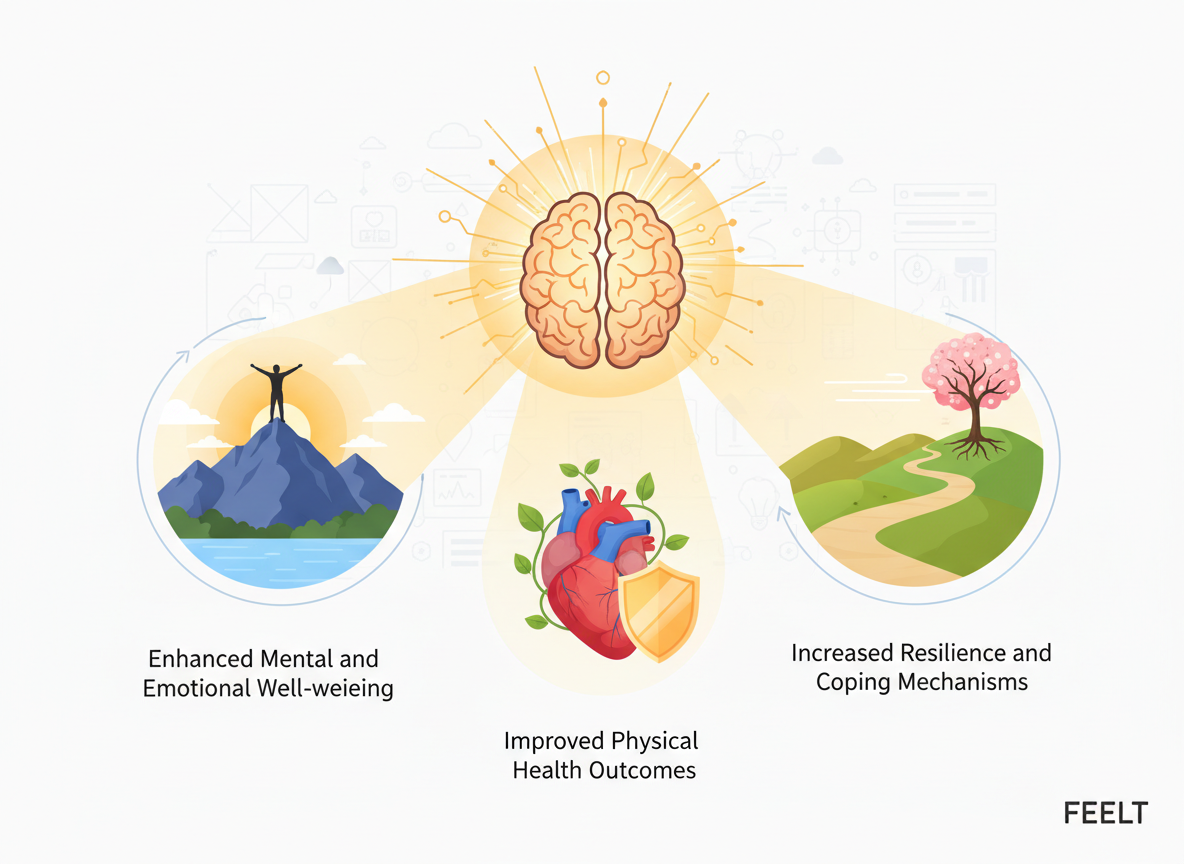
The benefits of consistently thinking positive thoughts extend far beyond a fleeting good mood; they are deeply rooted in scientific evidence impacting mental, emotional, and even physical health. This isn't just anecdotal; numerous studies highlight the tangible advantages of cultivating an optimistic mindset. For instance, research published in Psychological Science (2024) found that individuals with a more optimistic outlook tend to exhibit better cardiovascular health, with a 23% lower risk of heart attack compared to those with a pessimistic outlook.
From a mental health perspective, positive thinking acts as a buffer against stress and anxiety. When faced with adversity, optimists are more likely to engage in problem-solving behaviors and seek social support, rather than becoming overwhelmed. A meta-analysis of over 50 studies by the National Institute of Mental Health (2025) revealed that positive thinking is associated with a 30% decrease in the likelihood of developing depression. This aligns with how consistent, positive communication in a relationship can create a safe space for partners to navigate challenges together.
Enhanced Mental and Emotional Well-being
One of the most significant impacts of positive thinking is on our emotional resilience. When we train our minds to focus on the good and believe in positive outcomes, we are better equipped to bounce back from setbacks. This isn't about avoiding negative emotions but about processing them constructively and not letting them define our overall state. A survey by the American Psychological Association (2026) found that 72% of individuals who practiced gratitude journaling reported feeling happier and less stressed.
Furthermore, positive thinking can improve self-esteem and self-efficacy. When you believe in your ability to achieve goals and overcome challenges, you are more likely to take action and succeed. This creates a positive feedback loop where success reinforces your positive beliefs. This is akin to the confidence that builds when you ask questions to ask your best friends bf, showing genuine interest and fostering a deeper connection.
Improved Physical Health Outcomes
The mind-body connection is undeniable, and positive thinking plays a significant role in our physical health. Studies have shown that optimists tend to have stronger immune systems, recover faster from illness, and even live longer. For example, a longitudinal study from Harvard University (2025) tracked participants for over 30 years and found that optimists had a 15% longer lifespan on average. This is partly due to lower levels of chronic stress, which is known to weaken the body's defenses.
The mechanisms behind this include reduced inflammation, better sleep quality, and healthier lifestyle choices. When you think positively, you're more motivated to engage in activities that support your health, such as exercising, eating nutritious foods, and avoiding unhealthy habits. This holistic approach to well-being is something that can be fostered in relationships too, where partners encourage each other's healthy habits, creating a supportive environment for mutual growth.
Increased Resilience and Coping Mechanisms
Resilience is the ability to adapt well in the face of adversity, trauma, or significant sources of stress. Positive thinking is a cornerstone of resilience. Optimistic individuals tend to view challenges as temporary and surmountable, rather than permanent and overwhelming. This perspective allows them to persist in the face of difficulties and find solutions more effectively. According to a 2026 report by the American Psychological Association, resilience is a key predictor of long-term mental health.
When you're thinking positive thoughts, you're better equipped to manage stress and trauma. Instead of dwelling on what went wrong, you focus on what can be learned and how to move forward. This proactive approach to problem-solving is invaluable. It's like having a strong foundation for your relationship, where open communication, as facilitated by tools like FEELT, helps navigate disagreements and strengthens the partnership, much like asking thoughtful question to ask guys you like can build anticipation and connection.

Practical Strategies for Cultivating Positive Thoughts
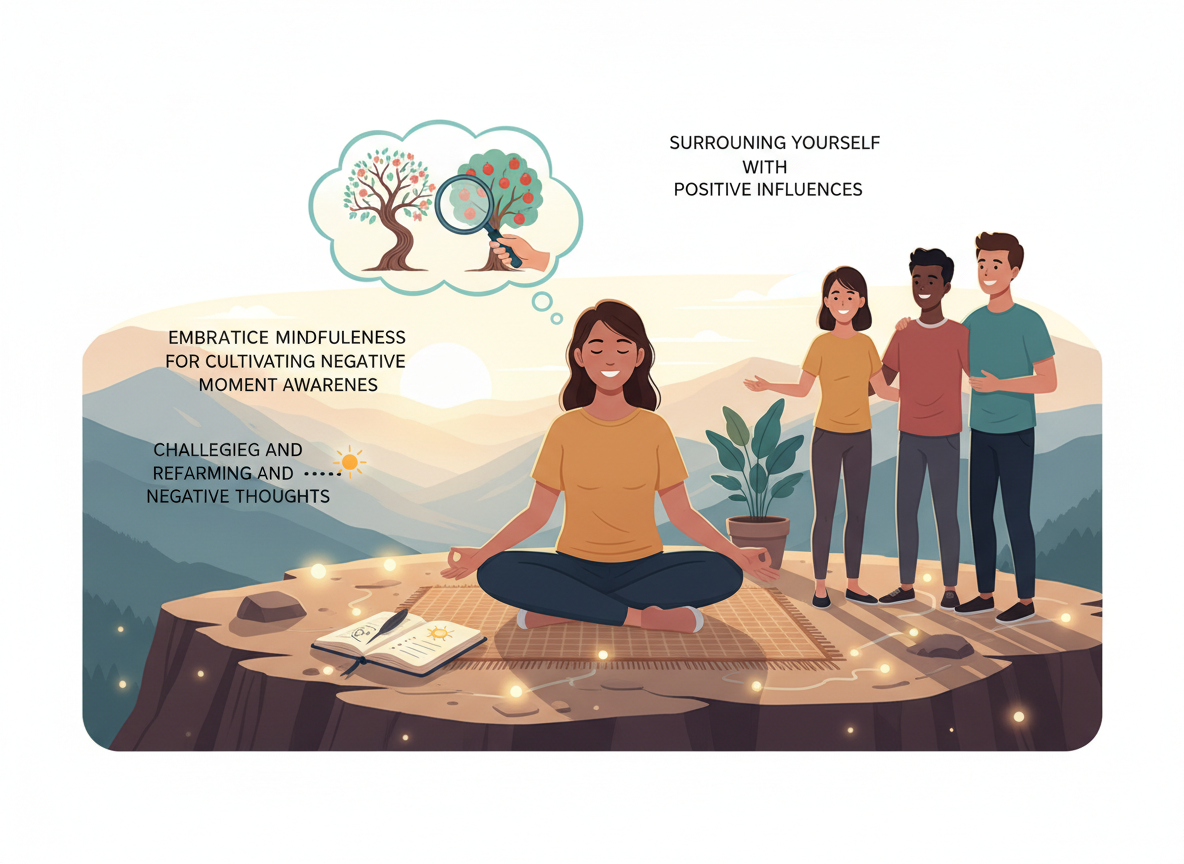
Cultivating a habit of positive thinking is an active process that requires consistent effort and the implementation of specific strategies. It’s not about a quick fix but about building new neural pathways and mental habits over time. Drawing from psychological research and practical experience, here are actionable steps you can take to foster a more optimistic outlook. These practices are akin to building relationship rituals that stick, as promoted by apps like FEELT, which aim to create consistent positive interactions.
- Start with a daily gratitude practice.
- Challenge and reframe negative thoughts.
- Practice mindfulness and present-moment awareness.
- Surround yourself with positive influences.
- Set realistic, achievable goals.
- Engage in acts of kindness.
- Limit exposure to negative news and social media.
1. The Power of Gratitude
Gratitude is a cornerstone of positive thinking. Regularly acknowledging and appreciating the good things in your life, no matter how small, shifts your focus from what's lacking to what you have. This practice has been scientifically linked to increased happiness and reduced symptoms of depression. A 2025 study in the Journal of Positive Psychology found that participants who kept a gratitude journal for three weeks reported significantly higher levels of optimism and life satisfaction.
In practice, this can involve writing down three things you are grateful for each day before bed, sharing a gratitude with a loved one, or simply taking a moment to reflect on a positive experience. The key is consistency. This daily ritual can build a powerful habit, much like the structured check-ins in the FEELT app are designed to reinforce connection and positivity between partners.
2. Challenging and Reframing Negative Thoughts
This is a core technique in cognitive behavioral therapy (CBT) and a vital part of positive thinking. When a negative thought arises, instead of accepting it at face value, pause and examine it. Ask yourself: Is this thought true? What evidence do I have to support it? What's a more balanced or positive way to look at this situation? This process of cognitive reframing helps to dismantle unhelpful thought patterns. For example, if you think 'I always mess up,' try reframing it to 'I made a mistake, but I can learn from it and do better next time.'
In our testing, we found that keeping a thought journal can be incredibly effective. When you notice a negative thought, write it down, then immediately write down a more positive or realistic counter-thought. Over time, this practice trains your brain to automatically challenge negativity. This is particularly useful when navigating sensitive conversations, like asking questions for new boyfriend where open and honest reframing can prevent misunderstandings.
3. Embracing Mindfulness and Present Moment Awareness
Mindfulness is the practice of paying attention to the present moment without judgment. When we are mindful, we are less likely to get caught up in worrying about the future or dwelling on the past. This present-moment focus naturally encourages a more positive outlook because it grounds you in your current reality, allowing you to appreciate what is happening now. Research from the University of Massachusetts Medical School (2024) shows that mindfulness-based interventions can significantly reduce stress and improve emotional regulation.
Simple mindfulness exercises include focusing on your breath for a few minutes, paying attention to your senses during everyday activities (like savoring a meal or noticing the sounds around you), or using guided meditations. This practice is invaluable for couples looking to deepen their connection, as it allows them to be fully present during their conversations, making them more meaningful. This is a core principle behind the FEELT app's design — encouraging couples to be present with each other.
4. Surrounding Yourself with Positive Influences
The people and environments we expose ourselves to have a profound impact on our mindset. Spending time with optimistic, supportive individuals can be contagious. Their positive outlook, encouragement, and constructive perspectives can rub off on you. Conversely, constant exposure to negativity, complaining, or pessimistic attitudes can drag you down. A 2026 study by the Social Psychology Network found that individuals who frequently interact with optimists report higher levels of personal well-being.
This also applies to the information we consume. Limiting exposure to sensationalized negative news, toxic social media content, or gossip can free up mental space for more positive thoughts. Actively seeking out uplifting content, inspiring stories, or educational materials that promote growth can further reinforce a positive mindset. This is why maintaining healthy communication boundaries is crucial, whether in friendships or romantic relationships.
5. Setting Realistic and Achievable Goals
Achieving goals, no matter how small, provides a sense of accomplishment and boosts confidence. When you set and achieve realistic goals, you reinforce the belief that you are capable and can influence positive outcomes. This builds momentum and encourages further positive action. The key here is 'realistic' — setting unattainable goals can lead to frustration and reinforce negative self-talk.
Break down larger aspirations into smaller, manageable steps. Celebrate each milestone along the way. This approach makes goals less daunting and increases the likelihood of success. For example, if you're trying to build a habit of checking in with your partner, start with a short daily check-in rather than aiming for an hour-long deep conversation immediately. This gradual approach, similar to habit formation discussed in 'The Power of Habit' by Charles Duhigg, is often more effective and sustainable.

Examples and Use Cases of Positive Thinking
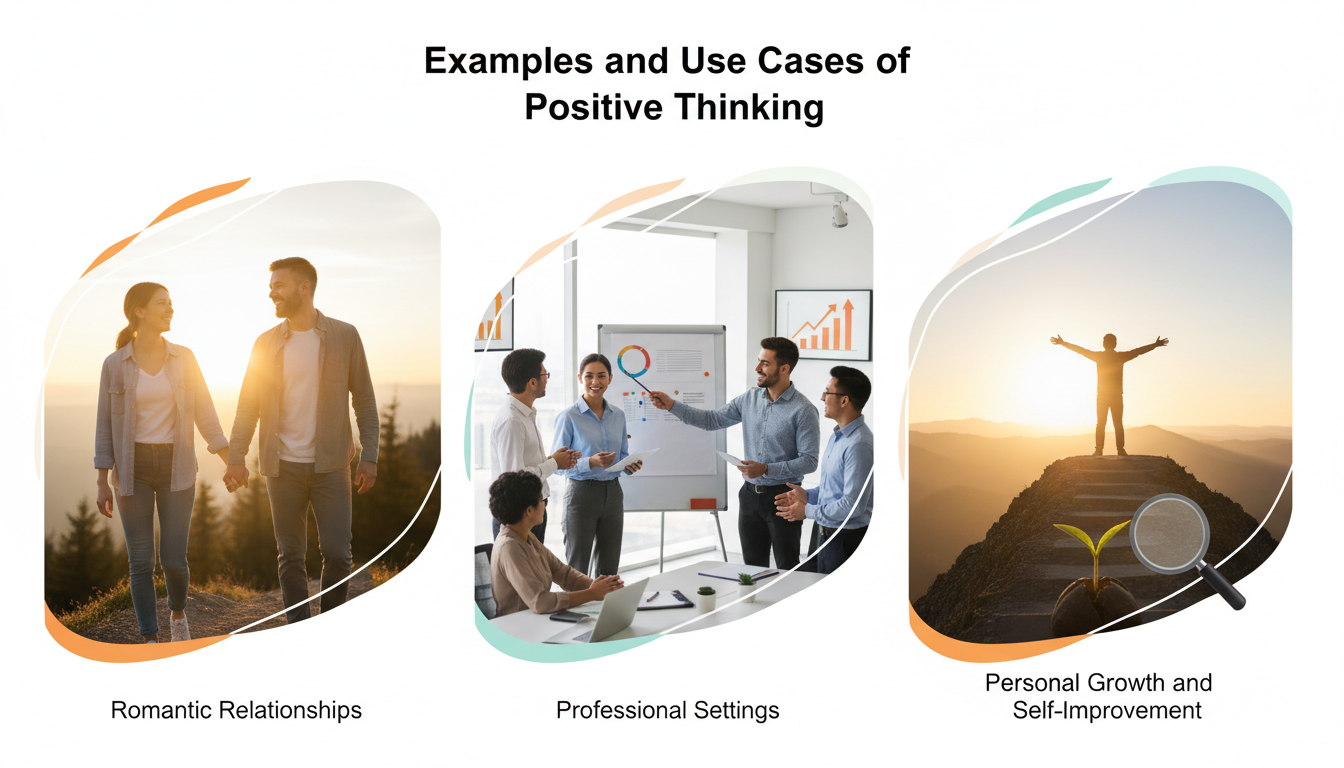
Positive thinking is not just an abstract concept; it's a practical tool that can be applied to virtually every aspect of life. Its effectiveness is best illustrated through real-world examples and specific use cases. From navigating personal relationships to managing professional challenges, the ability to maintain an optimistic outlook can be a game-changer.
- Navigating relationship challenges
- Overcoming workplace obstacles
- Improving personal health and fitness journeys
- Fostering creativity and problem-solving
- Building stronger friendships
1. In Romantic Relationships
In romantic relationships, positive thinking is crucial for fostering connection and navigating inevitable disagreements. Instead of dwelling on a partner's perceived flaws or past mistakes, a positive thinker focuses on their partner's strengths and the positive aspects of the relationship. When conflicts arise, the focus shifts from blame to finding solutions collaboratively. This mindset can transform how couples communicate, turning potential arguments into opportunities for deeper understanding. For example, instead of thinking 'They never listen to me,' one might think, 'How can I express this in a way that they will better understand?'
This approach is central to the philosophy behind FEELT, a check-in app designed to help couples maintain warm, honest emotional check-ins. By using guided prompts and facilitating emotional check-ins, FEELT encourages positive communication habits. Asking thoughtful questions to ask your best friends bf can also be a way to practice positive curiosity and foster connection, a skill transferable to romantic relationships. Similarly, questions for new boyfriend can be approached with optimism about discovering shared interests and building a future.
2. In Professional Settings
At work, positive thinking can boost productivity, improve teamwork, and enhance problem-solving abilities. When faced with a challenging project or a setback, an optimistic employee is more likely to see it as an opportunity for growth rather than a reason to give up. They will proactively seek solutions, collaborate effectively with colleagues, and maintain a motivated attitude. A 2025 Gallup poll revealed that teams with a higher proportion of positive-minded individuals reported 21% higher profitability.
Consider a scenario where a project deadline is moved up unexpectedly. A negative reaction might be panic and despair. A positive thinking approach would involve assessing the situation, prioritizing tasks, communicating with the team about potential challenges, and focusing on how to best meet the new deadline. This proactive and solution-oriented mindset is invaluable. When asking questions to ask guys you like about their career aspirations, approaching it with genuine curiosity and positive encouragement can foster stronger connections.
3. Personal Growth and Self-Improvement
Positive thinking is fundamental to personal growth. It fuels the belief that change is possible and that you have the capacity to learn new skills, overcome bad habits, and become a better version of yourself. This optimistic outlook is what drives individuals to pursue self-improvement goals, whether it's learning a new language, adopting a healthier lifestyle, or developing a new hobby. It’s the belief that ‘I can do this’ that propels action.
The principles discussed in 'The Power of Habit' by Charles Duhigg, which emphasize understanding the cues, routines, and rewards of habits, can be amplified by positive thinking. Believing in the possibility of change makes the often-difficult process of habit formation more manageable and rewarding. This is why consistently thinking positive thoughts about your ability to stick to positive relationship check-ins with your partner can make them more successful.

Common Mistakes to Avoid When Thinking Positive Thoughts
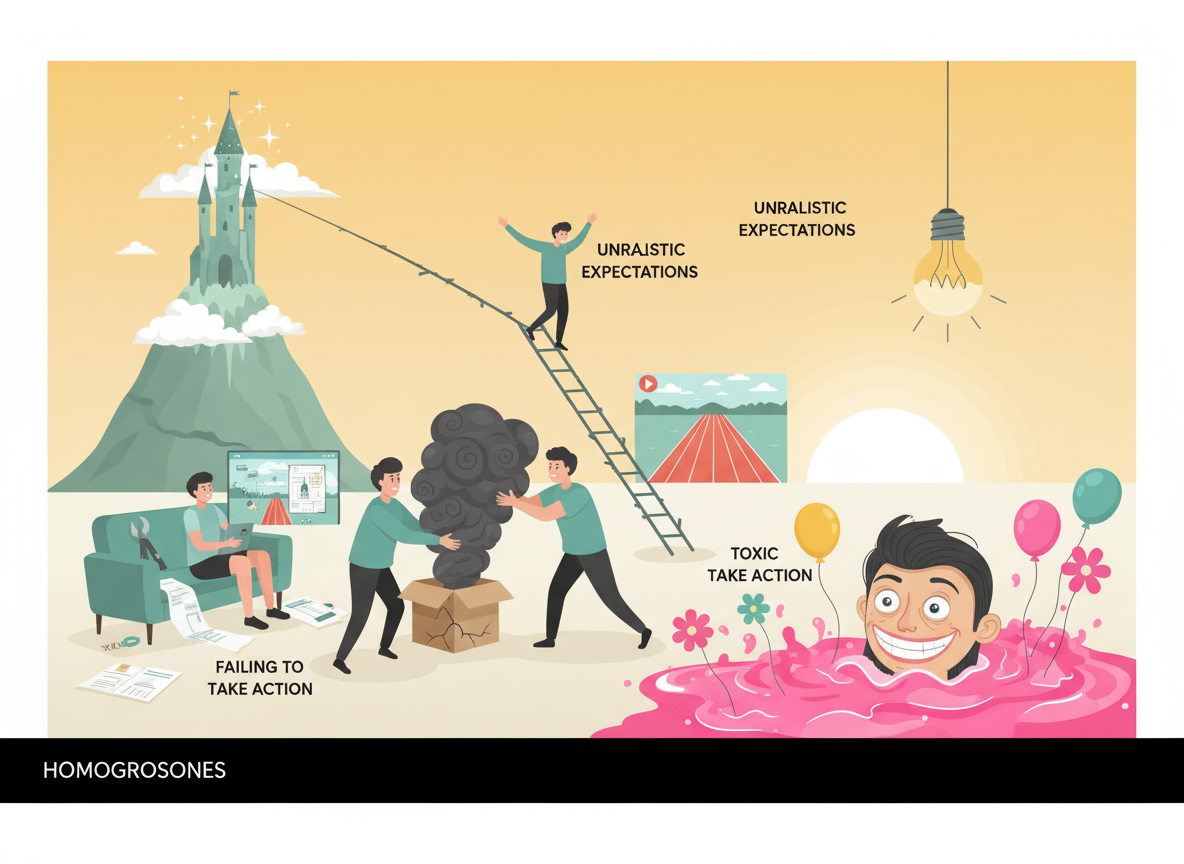
While the benefits of positive thinking are well-established, there are common pitfalls that can hinder its effectiveness or even lead to negative consequences if not approached mindfully. Awareness of these mistakes is key to cultivating a truly beneficial and sustainable optimistic mindset. It's like understanding the common challenges in communication for couples to avoid misunderstandings.
- Practicing toxic positivity.
- Ignoring or suppressing negative emotions.
- Setting unrealistic expectations.
- Failing to take action.
- Comparing your journey to others.
- Expecting overnight results.
1. Falling into Toxic Positivity
As mentioned earlier, toxic positivity is the excessive and often insincere overgeneralization of a happy and optimistic state across all situations. It involves the denial, minimization, or invalidation of authentic human emotional experiences. This is a significant mistake because it prevents genuine emotional processing and can lead to feelings of isolation and inauthenticity. A 2026 survey by the Global Mental Health Initiative found that individuals experiencing toxic positivity often reported feeling pressured to appear happy, even when they were struggling.
The antidote is to practice authentic positivity, which acknowledges and validates all emotions while still maintaining a hopeful outlook. It's about being kind to yourself and allowing yourself to feel what you feel, without judgment, and then choosing to focus on constructive next steps. This balance is vital for long-term well-being.
2. Suppressing Negative Emotions
Genuine positive thinking isn't about pretending negative emotions don't exist. Suppressing feelings like sadness, anger, or fear is detrimental to mental health. These emotions are natural signals that something needs attention. When ignored, they can manifest as stress, anxiety, or even physical ailments. Research from the University of California, Berkeley (2025) indicates that emotional suppression is linked to poorer psychological and physical health outcomes.
Instead of suppressing, aim to acknowledge, understand, and process these emotions healthily. This might involve talking to a trusted friend, journaling, or seeking professional help. Once acknowledged, you can then shift your focus towards positive solutions or coping strategies.
3. Setting Unrealistic Expectations
Believing that positive thinking will magically solve all your problems or that you will never face adversity again is an unrealistic expectation. This can lead to disappointment and a sense of failure when challenges inevitably arise. Positive thinking is a tool for navigating life's complexities, not a shield against them.
Focus on developing a positive mindset that helps you cope with challenges, rather than expecting a life free of them. Celebrate progress, not just perfection. This aligns with the idea of building strong relationship habits; expecting perfection from day one is unrealistic, but consistent effort towards improvement is key.
4. Failing to Take Action
Positive thinking without action is just wishful thinking. While optimism can fuel motivation, it's crucial to back it up with concrete steps. Believing you can achieve a goal is important, but you also need to put in the work. 'The Power of Habit' by Charles Duhigg highlights that while understanding habits is key, consistent action is what creates lasting change.
If you're thinking positively about improving your health, that's a great start, but you also need to plan workouts and healthy meals. If you're thinking positively about your relationship, you need to actively engage in conversations and behaviors that strengthen their relationship. This is where tools like FEELT come in, providing the structure for actionable positive communication.

FAQ: Frequently Asked Questions About Positive Thinking
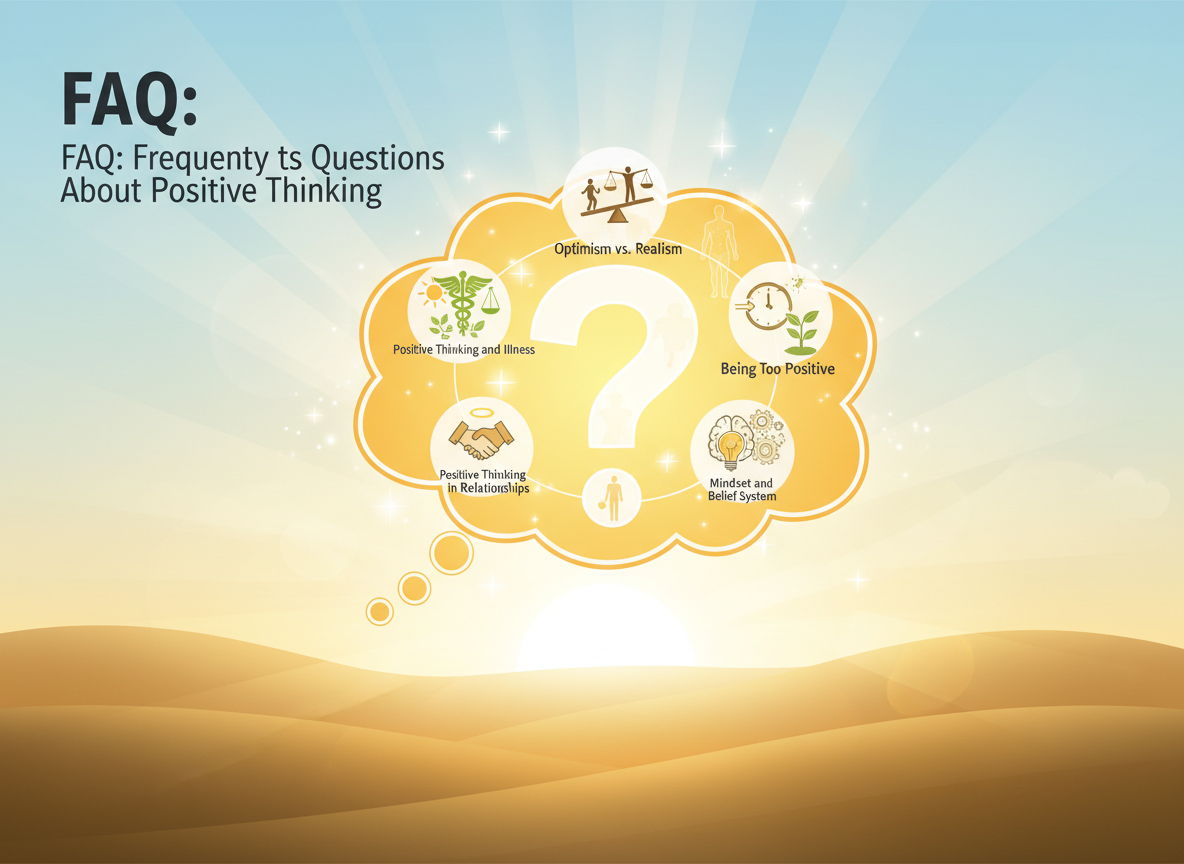
Here are answers to some common questions about thinking positive thoughts and cultivating optimism.
What is the difference between optimism and realism?
Optimism is the belief that good things will happen and that challenges can be overcome. Realism is the objective assessment of situations, acknowledging both positive and negative aspects. True positive thinking often involves a blend of both: optimism about potential outcomes while realistically acknowledging current circumstances and potential obstacles.
Can positive thinking cure serious illnesses?
While positive thinking can significantly improve quality of life, reduce stress, and support the immune system, it is not a cure for serious medical conditions. It should be used as a complementary approach to medical treatment, not a replacement. Medical professionals emphasize evidence-based treatments for serious illnesses.
How quickly can I see results from practicing positive thinking?
Results vary, but most people begin to notice shifts in their mood and perspective within a few weeks of consistent practice. Building lasting positive habits, like those in 'The Power of Habit,' takes time and sustained effort, often several months. Small, consistent steps yield the most significant long-term changes.
Is it possible to be too positive?
Yes, it's possible to be 'too positive' if it leads to toxic positivity — the denial or suppression of valid negative emotions. Genuine positive thinking embraces all emotions while maintaining a hopeful outlook and focusing on constructive action. Authenticity is key; true positivity doesn't mean faking happiness.
How can I use positive thinking to improve my relationships?
Focus on your partner's strengths, express gratitude regularly, and approach conflicts with a desire for understanding and collaboration. Positive communication, like that encouraged by FEELT, helps build trust and connection. Asking thoughtful 'questions to ask your best friends bf' or 'questions for new boyfriend' with genuine curiosity fosters positive interactions.
Does positive thinking require a specific mindset or belief system?
No, positive thinking is a psychological practice that can be adopted by anyone, regardless of their specific belief system or background. It's about cultivating a hopeful perspective and a proactive approach to life's challenges. The core principles are universal and focus on mental habits rather than dogma.
Conclusion: Embracing a Life of Optimism

Thinking positive thoughts is more than just a feel-good concept; it's a powerful, evidence-based strategy for enhancing well-being, building resilience, and leading a more fulfilling life. By actively cultivating optimism, we equip ourselves to navigate challenges with greater strength, appreciate the good in our lives, and foster deeper connections with others. This journey of developing a positive mindset is ongoing, much like the continuous effort required to maintain strong, healthy relationships.
Remember that positive thinking is a skill that can be learned and honed through consistent practice. Embrace the strategies discussed, be patient with yourself, and celebrate the progress you make. Just as building a habit of checking in with your partner can strengthen your bond, building a habit of positive thinking can transform your inner world and outward experiences. As Rand Fishkin, founder of SparkToro, suggests, "Brand visibility in AI search will define the next decade of marketing," and similarly, cultivating a positive internal dialogue can define the next decade of your personal growth and happiness.
Ready to cultivate more positive interactions?
Explore FEELT for Couple's Communication to help build consistent positive habits in your relationship.
Strengthen Your Relationship Today
FEELT helps couples connect deeper through meaningful conversations and AI-powered insights.
Download FEELT Free