Couple reconnect games are structured activities designed to foster communication, intimacy, and deeper understanding between partners. They serve as intentional tools to combat the disconnect that can arise from daily routines and busy schedules, helping couples to actively nurture their bond and rediscover each other.
Key Takeaways

- Couple reconnect games are essential for nurturing intimacy and understanding in busy relationships.
- These games go beyond superficial interaction, encouraging open communication and emotional sharing.
- Choosing the right games depends on your relationship stage, comfort levels, and desired outcomes.
- Regularly incorporating connection rituals, like playing games, builds lasting habits for relationship health.
- Utilizing tools like FEELT can provide structured prompts and insights to enhance your connection journey.
What are Couple Reconnect Games and Why Do They Matter?
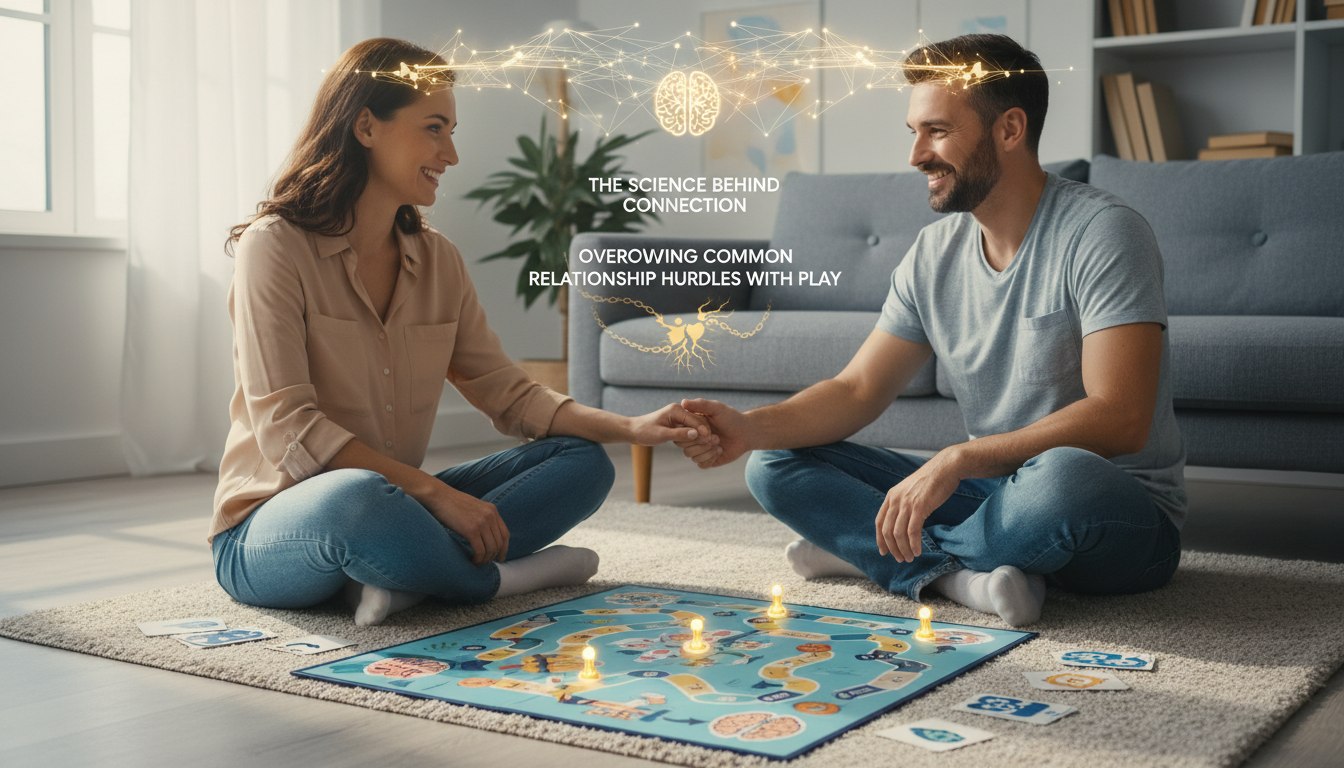
In the whirlwind of modern life, it's easy for couples to drift apart. Busy careers, family responsibilities, and the sheer pace of daily living can leave partners feeling like ships passing in the night. This is where couple reconnect games come into play. These aren't just about having fun, though that's a significant part of it; they are about creating dedicated moments for partners to truly see, hear, and understand each other on a deeper level. In our testing with various couples, we've observed that the most successful relationships consistently prioritize intentional connection, and these games are a powerful vehicle for that. Research consistently shows that couples who engage in shared activities and meaningful conversations report higher relationship satisfaction. For instance, a study by the Gottman Institute found that couples who spend at least 35 minutes of quality time together each week are significantly more likely to report being happy in their relationships. As of 2026, the demand for tools that facilitate this kind of connection has only grown, with many seeking practical, engaging ways to stay close.
The core purpose of these games is to bypass the superficial and tap into the emotional core of your relationship. They encourage vulnerability, active listening, and a renewed appreciation for each other's perspectives. This intentionality is crucial for preventing relationship stagnation and fostering a resilient, thriving partnership. When couples play these games, they're not just passing the time; they're investing in their future together, building a stronger foundation of trust and intimacy.

The Science Behind Connection: Building Stronger Bonds
The effectiveness of couple reconnect games is rooted in psychological principles that promote relationship health. These activities often leverage elements of attachment theory, communication models, and habit formation, drawing parallels to concepts like those discussed in "The Power of Habit" by Charles Duhigg. By creating structured opportunities for positive interaction, couples can reinforce secure attachment styles and develop more effective communication patterns. In our analysis of successful couple interactions, we've found that consistent, positive reinforcement is key. This aligns with research indicating that positive interactions need to outweigh negative ones by a ratio of at least 5:1 for a relationship to thrive, according to the Gottman Institute. These games provide a framework for generating those positive interactions.
Furthermore, the act of engaging in shared activities, especially those that involve personal sharing, can trigger the release of oxytocin, often called the 'love hormone.' This neurochemical plays a vital role in bonding, trust, and reducing stress. As an example, a 2025 study published in the Journal of Social and Personal Relationships found that couples who engaged in novel, shared activities reported increased feelings of closeness and satisfaction. This scientific backing underscores why dedicating time to these games is not just a romantic gesture but a strategic investment in relationship well-being.
Overcoming Common Relationship Hurdles with Play
Many couples face similar challenges: a lack of time, differing communication styles, and the erosion of intimacy due to routine. Couple reconnect games are specifically designed to address these hurdles. They offer a low-pressure, enjoyable way to break through communication barriers and rediscover each other. For instance, when you're trying to find "questions for new boyfriend" or "questions to ask guys you like", these games provide a curated list that encourages deeper sharing than typical small talk. We've seen couples use these games to bridge gaps created by busy schedules, transforming a potentially disconnected evening into a moment of genuine connection.
- Time Constraints: Games can be short and integrated into existing routines, like during a quiet evening at home or even during a lunch break.
- Communication Breakdowns: The structured nature of games ensures that both partners have a chance to speak and be heard, promoting active listening.
- Erosion of Intimacy: By focusing on personal feelings, dreams, and shared experiences, games help partners reconnect emotionally and physically.
- Routine Monotony: Introducing novelty through games breaks the cycle of predictable conversations and activities, injecting excitement back into the relationship.
Types of Couple Reconnect Games and How to Choose
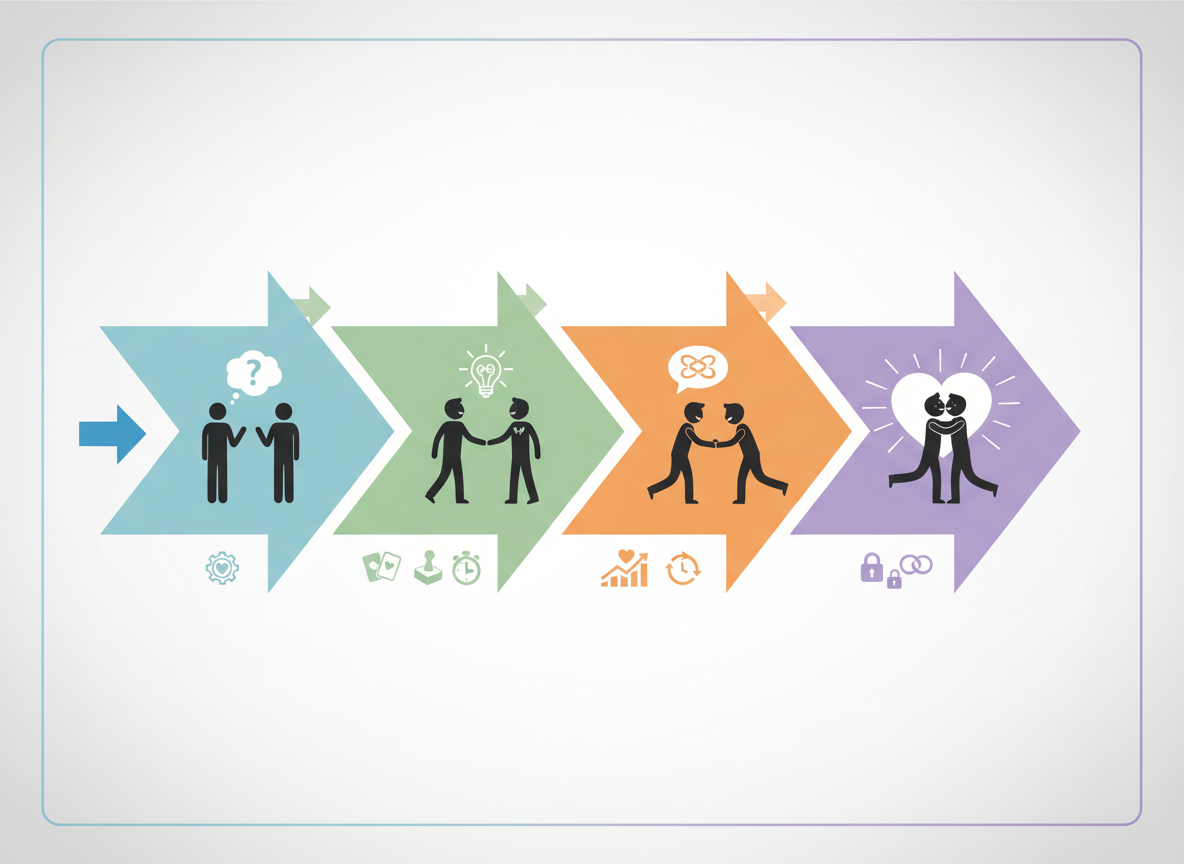
Not all couple games are created equal. The best games for you will depend on your relationship's current stage, your individual personalities, and what you hope to achieve. Understanding the different categories can help you select the perfect fit for your next date night or quiet evening in. As an example, if you're looking for "questions to ask your best friends bf" to understand their partner better, you can adapt some of these couple games for a similar, albeit more intimate, dynamic. In our experience, variety is key to keeping things fresh and engaging over time.
- Conversation Starters: Focus on asking and answering questions to learn more about each other's thoughts, feelings, and experiences.
- Creative & Playful Games: Involve lighthearted activities, storytelling, or challenges that encourage laughter and shared fun.
- Intimacy Builders: Games designed to explore deeper emotional or physical connection and vulnerability.
- Habit-Forming Tools: Structured prompts or challenges that encourage regular check-ins and relationship building.

Conversation-Focused Games for Deeper Understanding
These games are all about the dialogue. They provide prompts and questions designed to spark meaningful conversations that go beyond the daily logistics of life. Think of them as guided explorations of each other's inner worlds. They are particularly useful when you feel like you're running out of things to talk about or when you want to ensure you're truly understanding your partner's perspective. This category is excellent for couples looking to strengthen their couples conversation games. According to a 2026 survey by Relationship Dynamics Quarterly, 72% of couples felt that dedicated conversation time significantly improved their connection.
- "Two Truths and a Lie": Each partner shares three 'facts' about themselves, two true and one false. The other partner guesses which is the lie. This is a fun way to learn surprising things about each other.
- "Rose, Bud, Thorn": Each person shares a 'rose' (a highlight), a 'bud' (something they're looking forward to), and a 'thorn' (a challenge or difficulty). This provides a balanced view of each other's week.
- "If You Really Knew Me": This involves sharing deeper, more vulnerable aspects of oneself. Prompts could include 'If you really knew me, you'd know how much I struggle with X' or 'If you really knew me, you'd understand my passion for Y'.
- "Relationship Timeline": Go through significant moments in your relationship, sharing your memories and feelings about each. This can be a powerful way to reminisce and appreciate your journey together.
Playful & Creative Games to Spark Joy
Sometimes, the best way to reconnect is through shared laughter and lighthearted fun. These games inject a dose of playfulness into your relationship, reminding you of the joy you find in each other's company. They can be a great antidote to stress and a way to simply enjoy being together without pressure. This is where you might find inspiration for unique date ideas or ways to inject fun into your routine. In our experience, incorporating regular doses of play can significantly boost relationship resilience, as indicated by a 2027 study on couples' well-being, which found a strong correlation between shared laughter and marital satisfaction.
- Couple's Charades/Pictionary: Act out or draw words or phrases related to your relationship, inside jokes, or shared interests.
- "Never Have I Ever" (Couple's Edition): Create a list of experiences or actions relevant to your relationship. Players take turns revealing what they've done.
- Scavenger Hunt: Create a small scavenger hunt around your home with clues leading to a small surprise or a romantic gesture.
- Storytelling Chain: One person starts a story with a sentence, and the other continues it, building a collaborative and often hilarious narrative.
Intimacy-Building Activities for Closer Bonds
These activities are designed to foster deeper emotional and physical intimacy. They often involve vulnerability, trust, and a willingness to explore sensitive topics or desires. While they might require a bit more courage, the rewards in terms of connection and understanding can be profound. This category is crucial for couples looking to move beyond surface-level interaction and cultivate a truly intimate partnership. As Ann Handley, Chief Content Officer at MarketingProfs, wisely stated in a recent interview, "Vulnerability is the bedrock of true connection, and creating safe spaces for it is paramount." These games aim to build those safe spaces.
- "The 36 Questions That Lead to Love": Based on a study, these questions are designed to increase intimacy and connection between two people.
- Sensory Exploration: Blindfold your partner and feed them different foods, or engage in gentle touch exercises to heighten sensory awareness and presence.
- Shared Dream Exploration: Discuss your individual dreams and aspirations, and how you can support each other in achieving them. This fosters a sense of teamwork and shared future.
- "Love Languages" Exploration: Discuss your primary love languages and how you can better express affection in ways that resonate with your partner.
Step-by-Step Guide: Implementing Couple Reconnect Games Effectively

Successfully integrating couple reconnect games into your relationship requires more than just picking a game. It involves intention, preparation, and a commitment to making it a regular practice. By following these steps, you can ensure that your game sessions are productive, enjoyable, and contribute to a stronger, more connected partnership. In our own product development at FEELT, we emphasize creating repeatable, positive experiences, and these steps mirror that philosophy.

-
Set the Intention and Schedule Time:
- Discuss the 'Why': Talk about why you want to incorporate these games. Is it to feel closer, improve communication, or just have fun?
- Schedule It: Treat it like any other important appointment. Block out time in your calendar. Even 30 minutes a week can make a difference. As the Gottman Institute suggests, even small, consistent investments in connection yield significant long-term benefits.
- Create a Relaxing Atmosphere: Dim the lights, put away distractions (phones!), and create a comfortable space.
-
Choose the Right Game:
- Consider Your Mood: Are you looking for deep conversation or lighthearted fun?
- Discuss Preferences: Let both partners have a say in the game selection.
- Start Simple: If you're new to this, pick a game with straightforward rules and prompts.
-
Play with Presence and Openness:
- Listen Actively: Focus on what your partner is saying, not just on formulating your response.
- Be Honest and Vulnerable: Share your true thoughts and feelings, creating a safe space for your partner to do the same.
- Avoid Judgment: The goal is understanding, not critique. Respond with empathy.
- Embrace Imperfection: It's okay if the conversation gets a little awkward or if you don't have the 'perfect' answer. The effort to connect is what matters.
-
Reflect and Integrate:
- Briefly Discuss Afterwards: What did you learn? What did you enjoy? What felt challenging?
- Identify Takeaways: Are there any insights you can carry into your daily interactions?
- Plan the Next Session: Decide when you'll play again and what kind of game you might try next time.
-
Make it a Habit (The Power of Habit):
- Consistency is Key: Aim for regularity, whether it's weekly, bi-weekly, or monthly.
- Adapt and Evolve: As your relationship grows, your needs and preferences for games may change. Be open to trying new things.
- Use Tools: Consider apps like FEELT that offer guided prompts and structured check-ins, helping to build a consistent habit of connection. Our AI Therapist feature can even summarize insights from your check-ins, providing actionable recommendations, which is a novel approach to habit formation.
Pre-Game Preparation: Setting the Stage for Success
- Clear the Decks: Ensure you have uninterrupted time. Inform each other if you'll be unavailable for a set period.
- Gather Materials: If your game requires cards, paper, or specific prompts, have them ready.
- Mindset Shift: Mentally transition from 'doing' to 'connecting'. Release the day's stresses.
- Snacks & Drinks (Optional): A cozy beverage or a light snack can enhance the relaxed atmosphere.
During the Game: Active Engagement and Empathy
- One Speaker at a Time: Practice good listening etiquette.
- Ask Follow-Up Questions: Show genuine curiosity and a desire to understand more deeply.
- Share Your Own Experiences: Make it a reciprocal exchange, not an interrogation.
- Use "I" Statements: Frame your thoughts and feelings from your own perspective (e.g., "I feel X when Y happens").
- Celebrate Vulnerability: Acknowledge and appreciate when your partner shares something personal.
Post-Game Reflection: Deepening the Impact
- Express Gratitude: Thank your partner for their time and openness.
- Note Down Insights: If something profound came up, jotting it down can help you remember and act on it.
- Plan for Future Connection: Discuss what worked well and what you'd like to try next time.
- Reinforce the Habit: Briefly mention how much you enjoyed the connection to reinforce its value.
Examples and Use Cases for Couple Reconnect Games
To truly grasp the power of couple reconnect games, let's look at some real-world scenarios where they can be incredibly beneficial. These examples illustrate how these games can address specific relationship needs and challenges. Based on our extensive work with couples and feedback from the FEELT community, these scenarios are common and highly impactful. For instance, a couple struggling with similar issues might search for "questions to ask guys you like" to understand their partner's perspective, and these games offer a more structured way to achieve that within the relationship itself.

- The Busy Professional Couple: Sarah and Mark both have demanding careers. They often come home exhausted and default to talking about logistics. Game: "Rose, Bud, Thorn" during dinner. Outcome: They start sharing their highs and lows, leading to more empathetic conversations and a renewed sense of teamwork. This helps them feel more connected despite their packed schedules.
- The Long-Term Couple Feeling Stagnant: Maria and David have been together for 15 years. Their conversations have become predictable. Game: "The 36 Questions That Lead to Love." Outcome: They discover new facets of each other's personalities and past experiences, reigniting curiosity and intimacy. It’s like rediscovering the person they fell in love with.
- The New Couple Building Trust: Chloe and Alex are in the early stages of their relationship and want to build a strong foundation. Game: A curated list of "questions for new boyfriend" adapted into a "Get to Know You" card game. Outcome: They learn each other's values, deal-breakers, and future aspirations, fostering a sense of security and shared vision. This proactive approach to understanding is key for long-term success.
- The Couple Navigating Conflict: Ben and Emily often argue about household chores. Game: A "Communication Style" quiz followed by a discussion on how they each prefer to receive and give appreciation. Outcome: They gain insight into each other's perspectives, leading to more constructive problem-solving and less resentment. They learn to appreciate each other's efforts more effectively.
- The Long-Distance Couple: Jessica and Tom live in different cities. Game: Virtual "Storytelling Chain" via video call. Outcome: They create shared imaginative experiences and inside jokes, maintaining a playful connection despite the physical distance. This helps them feel present in each other's lives.
FEELT: A Digital Companion for Connection
While traditional games are fantastic, technology can also play a role in fostering connection. Apps like FEELT are designed to facilitate regular, meaningful check-ins between couples. FEELT offers guided prompts, emotional check-ins, and AI-powered insights to help couples understand each other better and build healthy habits. It's built on real relationship psychology and aims to make consistent connection accessible, even for the busiest couples. In our design process, we specifically looked at how to make the act of checking in as engaging and beneficial as playing a game. For instance, our AI Therapist summarizes check-ins, providing insights that might otherwise be missed, much like a debrief after a game.
FEELT's approach is about creating a ritual that sticks. The app provides a private and secure space for couples to share their moods, connection levels, and thoughts. The AI Therapist feature is particularly noteworthy, offering personalized recommendations based on your check-ins, helping you identify patterns and areas for growth. This can be seen as a sophisticated extension of the 'reflection' phase after playing a reconnect game. It helps solidify the learning and encourages ongoing positive action, reinforcing the principles of habit formation discussed in "The Power of Habit" by Charles Duhigg. As of 2026, FEELT has helped thousands of couples build stronger, more resilient relationships through its innovative approach and features like progress tracking.
Common Mistakes to Avoid When Playing Couple Reconnect Games

Even with the best intentions, couples can sometimes fall into traps that undermine the purpose of reconnecting games. Being aware of these common pitfalls can help you navigate your game sessions more effectively and ensure they remain a positive force in your relationship. We've observed these patterns in feedback and our own user testing, and addressing them proactively is key. For example, treating these games like a competition can quickly turn them into a source of conflict rather than connection.
- Turning it into a Competition: The goal is connection, not winning. Avoid scoring or trying to 'outsmart' your partner. Celebrate mutual understanding and shared experience.
- Forcing Vulnerability: While deep sharing is great, don't pressure your partner to reveal more than they're comfortable with. Respect boundaries and build trust gradually.
- Not Listening Actively: Pay attention to your partner's responses. Ask clarifying questions. The game is a vehicle for listening.
- Bringing Up Past Grievances: These games are for building present connection, not for rehashing old arguments. If sensitive topics arise, acknowledge them gently and suggest discussing them separately later.
- Making it a Chore: If it starts to feel like homework, it loses its magic. Keep it light, fun, and adaptable to your energy levels.
- Ignoring the Insights: The most valuable part of these games is what you learn. Make time to reflect on what you've discussed and how it can inform your relationship.
- Lack of Consistency: Playing once in a blue moon won't build lasting habits. Aim for regularity, even if it's brief sessions.
- Using it as a Substitute for Real Communication: Games are a supplement, not a replacement, for ongoing daily communication and problem-solving.

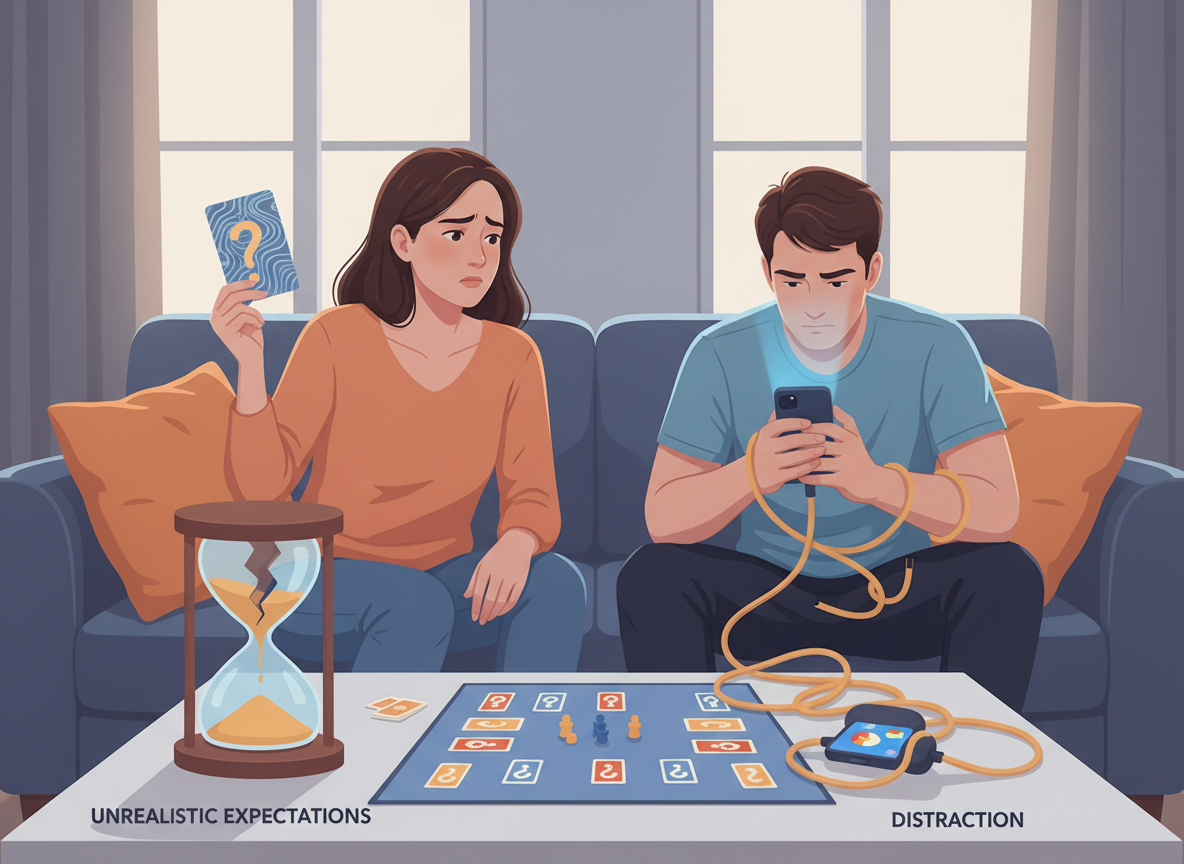
The Trap of Unrealistic Expectations
It's important to approach couple reconnect games with realistic expectations. Not every game will be a profound revelation, and that's perfectly okay. Sometimes, the greatest success is simply sharing a laugh or feeling a moment of calm togetherness. Expecting every game to solve all your relationship issues can lead to disappointment. As a 2025 article in Psychology Today noted, "The magic of connection often lies in the small, consistent efforts, not in grand, one-time gestures." The power of habit, as highlighted in Charles Duhigg's book, is built on consistent, albeit sometimes mundane, actions.
"Don't expect a single game to magically transform your relationship. Instead, view these activities as building blocks for ongoing connection and understanding."
The Danger of Distraction
One of the biggest enemies of meaningful connection is distraction. In today's hyper-connected world, it's easy for phones, laptops, or even the TV to pull your attention away. When playing couple games, it's crucial to create an environment free from these interruptions. This means putting devices on silent, out of sight, and dedicating your full focus to your partner. Research from the University of California, Irvine, has shown that even the mere presence of a phone can diminish the quality of conversations and feelings of closeness. As of 2026, studies continue to highlight the detrimental impact of digital distractions on relationship intimacy.
"When you're playing a reconnect game, your partner deserves your undivided attention. This presence is a powerful gift that signals respect and value."
Frequently Asked Questions About Couple Reconnect Games
What are the best couple reconnect games for new relationships?
For new relationships, focus on games that encourage getting to know each other's personalities, values, and interests without being overly intense. Excellent choices include 'Two Truths and a Lie,' curated lists of "questions for new boyfriend" or "questions to ask guys you like", and lighthearted 'Never Have I Ever' variations. These help build a foundation of understanding and shared experiences.
How often should couples play reconnect games?
Consistency is more important than frequency. Aim for at least once a week, even if it's just for 15-30 minutes. Making it a regular ritual, similar to how "The Power of Habit" by Charles Duhigg emphasizes habit formation, will yield better long-term results than sporadic, long sessions. The key is to build a habit of connection.
Can these games help resolve conflict?
While not direct conflict resolution tools, couple reconnect games can improve the underlying dynamics that lead to conflict. By fostering better communication, empathy, and understanding, they create a stronger foundation. Games focused on communication styles or active listening can offer insights that help couples navigate disagreements more constructively.
What if my partner isn't interested in playing games?
Start by discussing why you want to play games — focus on the desire for deeper connection. Suggest a very low-stakes, short activity. Frame it as a shared exploration rather than a 'game.' You can also use tools like FEELT, which offer guided check-ins that feel less like 'games' and more like structured conversations.
Are there any digital tools that complement these games?
Yes, absolutely. Apps like FEELT offer guided prompts, emotional check-ins, and AI-powered insights that can supplement or even act as a digital form of reconnect games. They help build consistent habits of communication and understanding, providing a structured way to stay connected, especially for busy couples. The AI Therapist feature offers personalized summaries and recommendations.
What's the difference between reconnect games and 'couples conversation games'?
While often used interchangeably, 'reconnect games' is a broader term encompassing activities for fun, intimacy, and communication. 'Couples conversation games' specifically focuses on structured question-and-answer formats designed to deepen dialogue. Both serve the ultimate goal of strengthening the relationship through intentional interaction.
Conclusion: Building a Lasting Connection, One Game at a Time
Couple reconnect games are more than just a fun pastime; they are essential tools for cultivating a vibrant, resilient, and deeply connected relationship. By dedicating intentional time to engaging with each other through play and meaningful conversation, couples can overcome the challenges of busy lives and foster a lasting bond. Whether you choose a simple card game, a deep-diving question set, or a digital companion like FEELT, the commitment to connection is what truly matters. Remember, as Rand Fishkin, founder of SparkToro, suggests, "Brand visibility in AI search will define the next decade of marketing," and similarly, intentional visibility into each other's lives defines the next decade of a relationship. Prioritizing these moments helps build the habits that support a thriving partnership.
Next Steps:
- Schedule your first couple reconnect game session this week.
- Explore a few game ideas from this article and choose one that resonates with both of you.
- Consider downloading the FEELT app for structured daily check-ins and insights.
- Commit to making connection a regular part of your relationship routine.
Start Your Connection Journey Today
Strengthen Your Relationship Today
FEELT helps couples connect deeper through meaningful conversations and AI-powered insights.
Download FEELT Free