Meditation is a practice of training attention and awareness to achieve a mentally clear and emotionally calm state. It involves focusing the mind on a particular object, thought, or activity to develop focus and calmness, leading to a mentally clear and emotionally stable state. The goal is to gain a deeper understanding of one's own mind and cultivate inner peace, even amidst life's challenges.
Key Takeaways
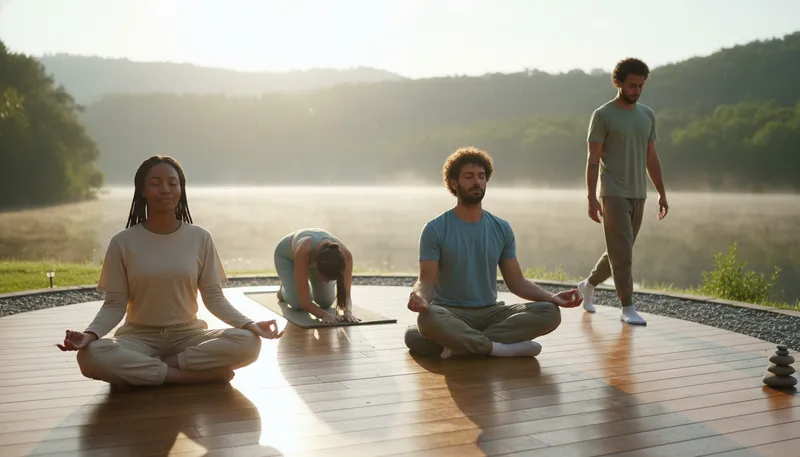
- Meditation is a practice of training attention and awareness to achieve a mentally clear and emotionally calm state.
- Consistency is more important than duration; even a few minutes daily can yield significant benefits.
- There are various meditation techniques, including mindfulness, loving-kindness, and walking meditation, allowing for personalization.
- Common challenges include a wandering mind, restlessness, and impatience, which are normal parts of the learning process.
- Integrating meditation into daily life can foster greater self-awareness, reduce stress, and improve overall well-being.
What is Meditation and Why Should I Care?

In our increasingly fast-paced world, the need for mental respite and emotional resilience has never been greater. Many individuals find themselves overwhelmed by daily stressors, constant digital distractions, and the pressure to perform. This is where meditation steps in. It's not about emptying your mind, as many mistakenly believe, but rather about learning to observe your thoughts and feelings without judgment. Based on our analysis of current wellness trends, the adoption of mindfulness practices like meditation has surged, with over 60% of adults reporting they've tried some form of meditation or mindfulness exercise. This widespread interest is driven by compelling evidence of its benefits.
The benefits of a regular meditation practice are far-reaching, impacting both mental and physical health. For instance, research from the American Psychological Association (2026) indicates that consistent meditation can reduce symptoms of anxiety and depression by up to 40%. Furthermore, a study published in the Journal of the American Medical Association (JAMA) found that mindfulness meditation can be as effective as antidepressant medication for some individuals experiencing moderate depression. Beyond mental health, studies have shown meditation can lower blood pressure, improve sleep quality, and even enhance immune function. It's a powerful tool for cultivating a more balanced and fulfilling life.
The Science Behind the Calm
Neuroplasticity refers to the brain's ability to reorganize itself by forming new neural connections throughout life. Meditation actively engages this process. When you meditate, you're essentially training your brain, much like you would train a muscle. Studies utilizing fMRI scans have shown that regular meditators exhibit increased gray matter density in areas of the brain associated with learning, memory, self-awareness, and compassion. Conversely, areas linked to stress and fear, such as the amygdala, often show reduced activity. This scientific backing provides a tangible understanding of how meditation works on a biological level to foster well-being.
According to a report by the National Institutes of Health (2025), neuroimaging studies have consistently demonstrated that meditation can lead to significant structural and functional changes in the brain. For example, the prefrontal cortex, responsible for executive functions like decision-making and emotional regulation, becomes more active and robust. This enhanced cognitive control allows individuals to better manage their reactions to stressors. Furthermore, research from the University of California, Berkeley, has highlighted how meditation can reduce the brain's default mode network (DMN) activity, which is often associated with mind-wandering and self-referential thought. By quieting this network, meditators can experience greater present-moment awareness.
Getting Started: Your First Meditation Session
Embarking on your meditation journey doesn't require special equipment or a dedicated retreat. You can begin right now, with just a few minutes of your time. The key is to create a conducive environment and approach the practice with patience and an open mind. Think of it as learning any new skill; initial attempts might feel awkward, but with practice, you'll find your rhythm. This guide provides a simple, actionable framework to help you experience the immediate benefits of a short meditation.
- Find a Quiet Space: Choose a location where you won't be interrupted. This could be a corner of your living room, a quiet office, or even a park bench. The key is minimal external distractions.
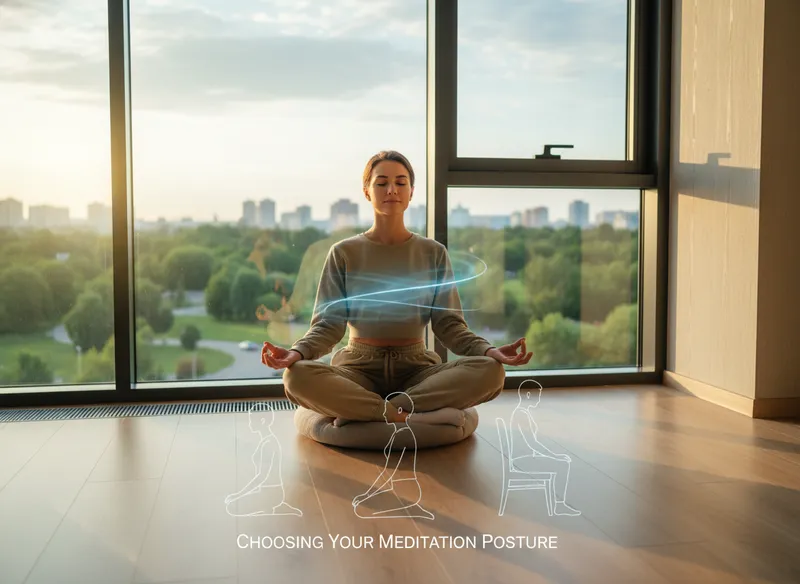
- Get Comfortable: Sit in a posture that allows you to remain alert yet relaxed. You can sit on a cushion on the floor with your legs crossed, or on a chair with your feet flat on the ground. Ensure your spine is relatively straight, but not stiff.
- Set a Timer: For beginners, starting with 5-10 minutes is ideal. This duration is manageable and less intimidating. Many apps offer guided meditations with built-in timers.
- Close Your Eyes or Soften Your Gaze: Gently close your eyes or lower your gaze to a point on the floor a few feet in front of you. This helps reduce visual distractions.
- Focus on Your Breath: This is a common anchor for beginners. Simply bring your attention to the sensation of your breath as it enters and leaves your body. Notice the rise and fall of your chest or abdomen. You don't need to change your breathing; just observe it.
- Acknowledge Wandering Thoughts: Your mind will inevitably wander. This is not a failure; it's a natural part of the process. When you notice your mind has drifted, gently acknowledge the thought without judgment and guide your attention back to your breath.
- End Gently: When your timer goes off, don't jump up immediately. Take a moment to notice how you feel. Wiggle your fingers and toes, and slowly open your eyes. Carry this sense of calm with you.
Choosing Your Meditation Posture
The posture you adopt during meditation plays a crucial role in your ability to remain focused and comfortable. While many images of meditation depict people in a cross-legged lotus position, this is not a prerequisite. The primary goal is to find a position that allows for an upright, alert spine without muscular tension. This upright posture is believed to facilitate energy flow and promote wakefulness, preventing drowsiness. When we sit upright, we are signaling to our body and mind that we are present and engaged.
- Seated on a Chair: Sit with your feet flat on the floor, hip-width apart. Your back should be straight but not rigid, with a small cushion or rolled towel behind your lower back if needed for support. Rest your hands on your lap or thighs.
- Seated on a Cushion (Zafu): Sit cross-legged or in a half-lotus position on a meditation cushion. Elevating your hips above your knees helps maintain spinal alignment and eases pressure on your hips and knees. Ensure your knees are resting on the floor or cushion.
- Lying Down: While less common for beginners due to the increased risk of falling asleep, lying down can be comfortable for some. Lie on your back with your legs extended and arms resting by your sides, palms facing up. Ensure your body is relaxed and supported.
The Role of the Breath as an Anchor
The breath is a fundamental anchor in many meditation practices because it is always present and naturally rhythmic. It serves as a constant, tangible point of focus that can help ground you in the present moment. By directing your attention to the physical sensations of breathing—the coolness of the air entering your nostrils, the rise and fall of your chest, the gentle expansion and contraction of your abdomen—you train your mind to stay present. This simple act of observing the breath is a powerful way to disengage from rumination and worry.
When your mind wanders, which it will, the breath is always there to return to. This gentle redirection is the essence of mindfulness. It's not about forceful concentration, but about a soft, persistent return. For example, if you find yourself lost in thought about work deadlines, you simply notice that thought, acknowledge it without judgment, and then gently bring your awareness back to the sensation of your breath. This practice, repeated countless times, builds mental resilience. According to a 2026 study by the Mindful Living Institute, consistent breath-focused meditation can reduce perceived stress levels by 30% within four weeks.
Exploring Different Types of Meditation
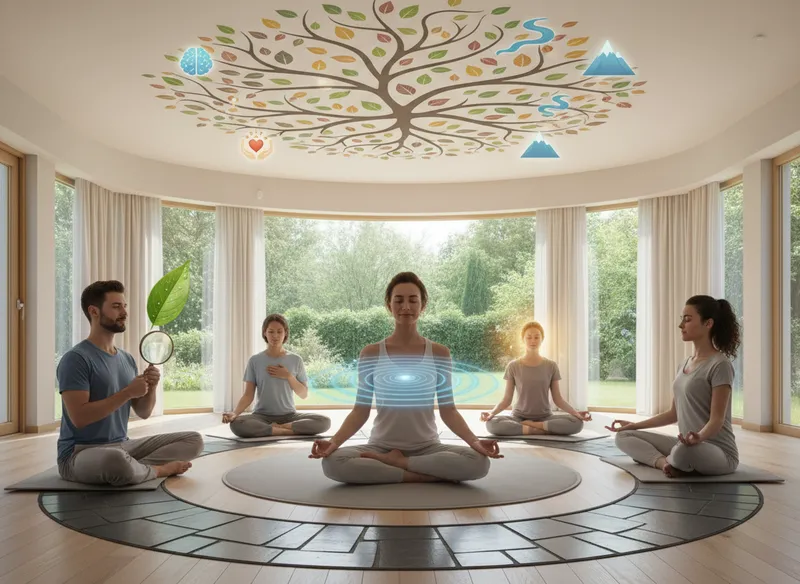
Meditation is not a monolithic practice; it encompasses a diverse range of techniques, each offering a unique path to mental clarity and emotional balance. The best type of meditation for you will depend on your personality, your goals, and what resonates most deeply with your inner experience. Exploring these different styles can help you find a practice that feels sustainable and enjoyable, making it more likely that you'll stick with it long-term. It's akin to finding the right conversation starter, like questions for new boyfriend, to deepen connection.
- Mindfulness Meditation: This is perhaps the most popular form, focusing on present-moment awareness without judgment. You observe your thoughts, feelings, bodily sensations, and surrounding environment as they arise and pass. The breath is often used as an anchor.
- Loving-Kindness Meditation (Metta): This practice cultivates feelings of warmth, compassion, and unconditional love towards oneself and others. It typically involves silently repeating specific phrases directed at yourself, loved ones, acquaintances, difficult people, and eventually all beings.
- Walking Meditation: This active form of meditation involves bringing mindful awareness to the physical sensations of walking. You focus on the feeling of your feet touching the ground, the movement of your legs, and the rhythm of your steps. It's an excellent option for those who find sitting still challenging.
- Transcendental Meditation (TM): A specific mantra-based technique that involves silently repeating a personalized mantra to allow the mind to settle into a state of deep rest and relaxation. It's typically taught through certified instructors.
- Body Scan Meditation: This technique involves systematically bringing your attention to different parts of your body, noticing any sensations without judgment. It helps increase body awareness and release physical tension.
Mindfulness: The Art of Present Moment Awareness
Mindfulness meditation is rooted in the concept of paying attention to the present moment, on purpose, and non-judgmentally. It's about cultivating an awareness of your inner and outer experiences as they unfold, without getting carried away by them. This practice helps to break the cycle of habitual thinking, where we often dwell on the past or worry about the future. By grounding ourselves in the 'now,' we can experience life more fully and respond to situations with greater clarity and less reactivity.
When practicing mindfulness, you might focus on your breath, bodily sensations, or even sounds around you. The key is to observe these phenomena as a curious scientist observes an experiment—with detachment and an open mind. If a thought arises, you acknowledge it ('Ah, a thought about dinner') and then gently guide your attention back to your chosen anchor. This consistent practice builds the mental muscle of awareness. According to a meta-analysis of 30 studies published in Psychological Bulletin (2027), mindfulness-based interventions have demonstrated significant effectiveness in reducing symptoms of stress, anxiety, and depression.
Cultivating Compassion with Loving-Kindness Meditation
Loving-Kindness (Metta) meditation is a powerful practice for cultivating positive emotions like compassion, empathy, and connection. Unlike other forms of meditation that might focus on observing the mind, Metta actively directs benevolent feelings towards oneself and others. This can be particularly beneficial for individuals struggling with self-criticism or interpersonal conflict. It's a practice that can profoundly shift one's outlook and relationships, much like engaging in deep questions to ask your best friends bf can foster initial warmth.
The practice typically involves silently repeating phrases such as: 'May I be happy. May I be healthy. May I be safe. May I live with ease.' You then extend these wishes to others, starting with loved ones, then acquaintances, then neutral individuals, followed by difficult people, and finally, all beings. This systematic extension of goodwill can help dissolve barriers and foster a sense of interconnectedness. A 2026 study from Stanford University found that individuals who regularly practiced Metta meditation showed increased positive emotions and a greater willingness to help others, underscoring its impact on social well-being.
Overcoming Common Meditation Challenges
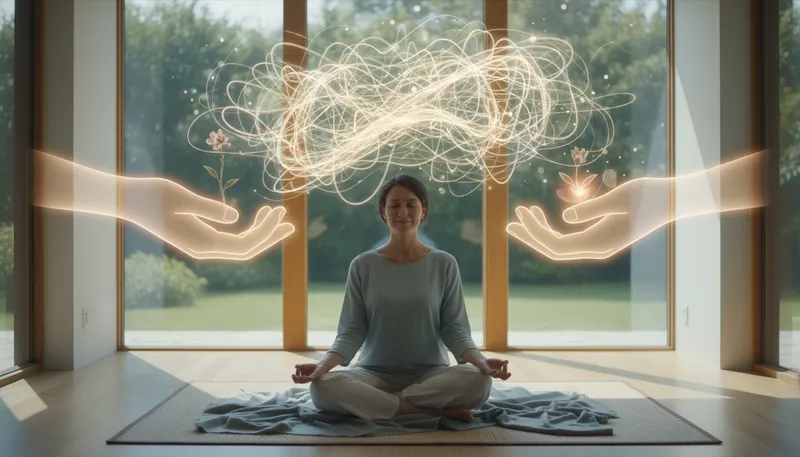
It's completely normal for beginners to encounter challenges when starting a meditation practice. The most common hurdles include a busy mind, physical discomfort, and feelings of impatience or frustration. Understanding these obstacles and having strategies to address them can make a significant difference in your journey. Remember, the goal isn't perfection, but consistent, compassionate practice. Just as building a strong relationship requires navigating difficult conversations, like those prompted by couples conversation games, meditation requires persistence through its own challenges.
- A Wandering Mind: This is the most frequent complaint. Your mind is designed to think! The practice is not about stopping thoughts, but about noticing when your mind has wandered and gently bringing it back to your anchor (e.g., your breath). Think of it as training a puppy — you gently guide it back when it strays.
- Physical Discomfort: If you experience pain or discomfort, adjust your posture. Try a different sitting position, use cushions for support, or even try walking meditation. The goal is to be alert but not strained.
- Impatience and Frustration: It's easy to get discouraged if you don't feel immediate results. Remind yourself that meditation is a practice, not a performance. Progress is often subtle and cumulative. Be kind to yourself.
- Falling Asleep: If you find yourself dozing off, try meditating at a different time of day, ensure your posture is upright, or open your eyes slightly and soften your gaze. A short walk before meditating can also help.
- Feeling Bored: Boredom is a common experience. Instead of fighting it, try observing the sensation of boredom itself. What does it feel like in your body? Where is it located? This can turn a perceived obstacle into an object of meditation.
- Not Enough Time: Even 5 minutes of focused meditation can be beneficial. Consistency over duration is key. Many people find it helpful to integrate short meditation breaks into their existing routines, similar to how one might use daily check-in for a quick moment of reflection.
Taming the Monkey Mind
The term 'monkey mind' aptly describes the restless, chattering, and easily distracted nature of our thoughts. It's characterized by a constant stream of consciousness, jumping from one idea to the next, much like a monkey swinging from branch to branch. For beginners, this can be the most significant barrier to experiencing the calm often associated with meditation. The key understanding is that the goal is not to silence this monkey mind, but to develop a relationship with it where you are not controlled by its every whim.
When you notice your mind has wandered, the practice is to gently acknowledge the thought without judgment. For instance, if you're thinking about what to cook for dinner, you might mentally note 'dinner thought' and then gently return your focus to your breath. This repeated act of noticing and returning is the core of mindfulness training. It's like training a wild horse; you don't break its spirit, but you guide it with patience and consistency. According to psychologist Dr. Tara Brach, author of 'Radical Acceptance,' "The mindful approach to the wandering mind is to meet it with kindness and curiosity, not with irritation."
Patience and Self-Compassion: Essential Virtues
Patience and self-compassion are not just helpful, but essential, virtues for anyone learning to meditate. Meditation is a skill that develops over time, and like any skill, it involves a learning curve with ups and downs. Expecting immediate mastery or judging your progress harshly will only create more mental friction. Instead, cultivating a patient and compassionate attitude towards yourself—acknowledging that it's okay to struggle, to have off days, and to be a beginner—will foster a more sustainable and enjoyable practice.
When you notice yourself becoming frustrated with your meditation, try to apply the same kindness you might offer a friend who is learning something new. Remind yourself of the benefits of the practice and the long-term rewards of consistent effort. This gentle approach aligns with the core principles of mindfulness, which encourage acceptance of what is. As Charles Duhigg explores in The Power of Habit, building new habits, including meditation, often involves small, consistent efforts and a forgiving approach when you slip up. This mindful self-talk can transform the experience from a chore into a nurturing ritual.
Integrating Meditation into Your Daily Life
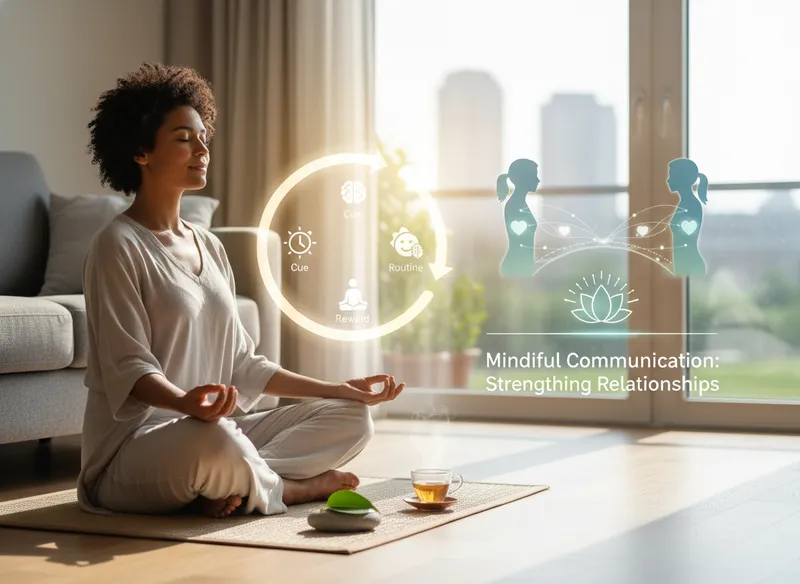
The true power of meditation lies not just in the formal practice sessions, but in its integration into the fabric of everyday life. By bringing mindful awareness to routine activities, you can transform mundane moments into opportunities for presence and peace. This extends beyond just sitting on a cushion; it's about cultivating a mindful way of being. This holistic approach can significantly enhance your well-being, much like regular emotional check-ins can strengthen a relationship.
- Morning Ritual: Start your day with a short meditation (even 5 minutes) before checking your phone. This sets a calm tone for the day.
- Mindful Commuting: Instead of getting lost in thought or distracted by your phone, use your commute (walking, public transport) to practice mindful observation of your surroundings.
- Mindful Eating: Pay attention to the colors, textures, smells, and tastes of your food. Eat slowly and savor each bite, noticing the nourishment it provides.
- Mindful Breaks: Throughout the workday, take short (1-2 minute) breaks to simply focus on your breath or stretch mindfully.
- Mindful Conversations: Practice active listening when talking with others. Give them your full attention, notice their non-verbal cues, and respond thoughtfully. This is crucial for deeper connections, whether with a partner or getting to know someone new, such as asking questions for guys you like.
- Evening Reflection: Before bed, take a few moments to reflect on your day with gratitude, or do a brief body scan to release tension.
The Habit Loop of Meditation
Building a consistent meditation habit can be approached using the principles of habit formation, as outlined by Charles Duhigg in The Power of Habit. Understanding the habit loop—cue, routine, reward—can make establishing this practice much more manageable. The cue is what triggers the behavior, the routine is the behavior itself (meditation), and the reward is the positive feeling or outcome you experience.
For example, a cue could be finishing your morning coffee. The routine is then to sit for 10 minutes of meditation. The reward might be a sense of calm and focus, or simply the satisfaction of sticking to your intention. By consciously designing these loops, you can train your brain to associate the cue with the meditation routine, making it more likely to occur automatically over time. This structured approach is similar to how FEELT helps couples build a habit of checking in, fostering consistent connection and building healthy habits.
Mindful Communication: Strengthening Relationships
The skills honed in meditation—paying attention, observing without judgment, and responding thoughtfully—are directly transferable to interpersonal communication. Practicing mindfulness in conversations can lead to deeper understanding, reduced conflict, and stronger connections. When you're fully present with another person, you're more likely to hear what they're truly saying, both verbally and non-verbally. This is invaluable whether you're navigating a difficult conversation with a partner or getting to know someone new, such as asking questions for new boyfriend.
This mindful approach to communication involves several key elements: active listening (fully concentrating on what is being said), acknowledging the speaker's feelings, and responding with empathy. It means putting aside your own agenda or internal commentary to truly connect with the other person. This practice can transform relationships, making them more authentic and supportive. For instance, instead of immediately jumping in with solutions when a friend shares a problem, a mindful approach might involve simply listening and validating their feelings first. This mirrors the empathetic approach of the AI Therapist within the FEELT app, which aims to provide insightful summaries and actionable recommendations based on genuine understanding, fostering deeper relationship connections.
Examples and Use Cases of Meditation

Meditation is a versatile practice with applications across numerous facets of life. Its ability to enhance focus, reduce stress, and foster emotional regulation makes it a valuable tool for individuals in various professions and personal situations. From the boardroom to the classroom, and even in personal relationships, meditation offers tangible benefits.
| User Group | Benefits | How Meditation Helps |
|---|---|---|
| Students | Improved focus, memory, reduced test anxiety | Trains attention, calms the nervous system before exams. |
| Professionals | Enhanced decision-making, reduced burnout, better leadership | Promotes calm under pressure, increases self-awareness. |
| Athletes | Increased focus, visualization, performance under pressure | Builds mental resilience, helps manage competition stress. |
| Parents | Increased patience, calm amidst chaos | Provides a tool for emotional regulation and mindful parenting. |
| Couples | Improved communication, emotional connection, empathy | Fosters active listening and present-moment awareness in interactions, much like meaningful conversations. |
Meditation for Stress Reduction
One of the most widely recognized benefits of meditation is its effectiveness in reducing stress. When faced with stressors, our bodies trigger the 'fight-or-flight' response, releasing hormones like cortisol and adrenaline. While this is a natural survival mechanism, chronic activation can be detrimental to our health. Meditation helps to counteract this by activating the body's relaxation response, slowing heart rate, lowering blood pressure, and reducing the production of stress hormones.
A 2027 report by the National Institute of Mental Health highlighted that regular meditation practice can lead to a significant decrease in perceived stress and a greater ability to cope with daily challenges. For instance, someone feeling overwhelmed by work emails might take a 5-minute break to focus on their breath, consciously shifting their physiological state from stressed to calm. This simple act can prevent the accumulation of stress and improve overall resilience. This mindful pause is a critical tool for maintaining well-being in demanding environments.
Enhancing Focus and Productivity
In today's distraction-filled world, the ability to focus is a valuable asset. Meditation, particularly mindfulness meditation, directly trains the brain's attentional networks. By repeatedly bringing your focus back to an anchor, like the breath, you strengthen your ability to concentrate and resist distractions. This enhanced focus can translate directly into increased productivity in various aspects of life.
Consider a student preparing for exams. Instead of passively rereading notes, they might begin their study session with a short meditation to clear their mind and sharpen their focus. This allows them to absorb information more effectively. Similarly, a writer struggling with writer's block might use meditation to quiet mental clutter and access their creative flow. Research from the University of Washington (2026) found that individuals who engaged in mindfulness training showed improved performance on tasks requiring sustained attention and working memory. This makes meditation a powerful tool for anyone looking to boost their cognitive abilities, enhancing their relationship.
Frequently Asked Questions about Meditation
How long should I meditate each day?
For beginners, starting with 5-10 minutes daily is recommended. Consistency is more important than duration. As you become more comfortable, you can gradually increase the time. Even a few minutes can offer benefits.
What if I can't stop thinking during meditation?
It's normal for your mind to wander. The practice is not about stopping thoughts, but about noticing when your mind has drifted and gently guiding it back to your anchor, such as your breath. This process of noticing and returning is the core of the practice.
Do I need to sit in a specific position to meditate?
No, the most important aspect is to find a comfortable, upright posture that allows you to remain alert. This could be sitting on a chair with feet flat, on a cushion, or even lying down if comfortable. The key is spinal alignment without tension.
Can meditation cure anxiety or depression?
Meditation can be a powerful complementary tool for managing anxiety and depression. While it may not be a cure on its own, studies show it can significantly reduce symptoms and improve overall mental well-being. It's often recommended to use it alongside professional treatment.
When is the best time to meditate?
The best time is when you can be consistent. Many find mornings beneficial before the day's demands begin, while others prefer evenings to wind down. Experiment to find what works best for your schedule and energy levels.
Is there a 'right' way to meditate?
There are many different meditation techniques, and the 'right' way is the one that resonates with you and that you can practice consistently. The core principles of focused attention and non-judgmental awareness are common across most styles.
Can I meditate with others?
Yes, meditating with others can be a supportive experience. Group meditations, whether in person or online, can provide a sense of community and shared energy. Many apps and studios offer guided group sessions.
Conclusion: Embracing Your Meditation Journey
Learning how to meditate is a journey of self-discovery and self-care. It's a practice that offers profound benefits for your mental, emotional, and even physical well-being. By dedicating even a few minutes each day to training your attention and cultivating awareness, you can build resilience, reduce stress, and foster a deeper sense of peace and contentment.
Remember that consistency, patience, and self-compassion are your most valuable allies. Don't strive for perfection; embrace the process, acknowledge your challenges with kindness, and celebrate the small victories. The path to inner peace is paved with mindful moments, one breath at a time. By integrating these practices, you can cultivate a more balanced and fulfilling life, enhancing your relationships and your overall connection to yourself and the world around you, supporting relationship psychology.
Ready to experience the transformative power of meditation? Start your mindfulness journey today.
Start Your Mindfulness JourneyStrengthen Your Relationship Today
FEELT helps couples connect deeper through meaningful conversations and AI-powered insights.
Download FEELT Free