Relationship questions to ask your partner are prompts designed to foster deeper understanding, communication, and intimacy by exploring each other's thoughts, feelings, dreams, and experiences. They serve as tools to build connection and strengthen the bond between partners, especially when life gets busy.
Key Takeaways
- Regularly asking insightful questions is crucial for sustained relationship growth and preventing emotional distance.
- Categorizing questions (e.g., past, present, future, values) helps ensure a well-rounded conversation.
- Active listening and genuine curiosity are as important as the questions themselves.
- Using tools like FEELT can provide structured prompts and insights to facilitate deeper connections.
- The goal is not just to get answers, but to foster understanding, empathy, and shared experiences.
Unlock Deeper Connection: The Power of Relationship Questions
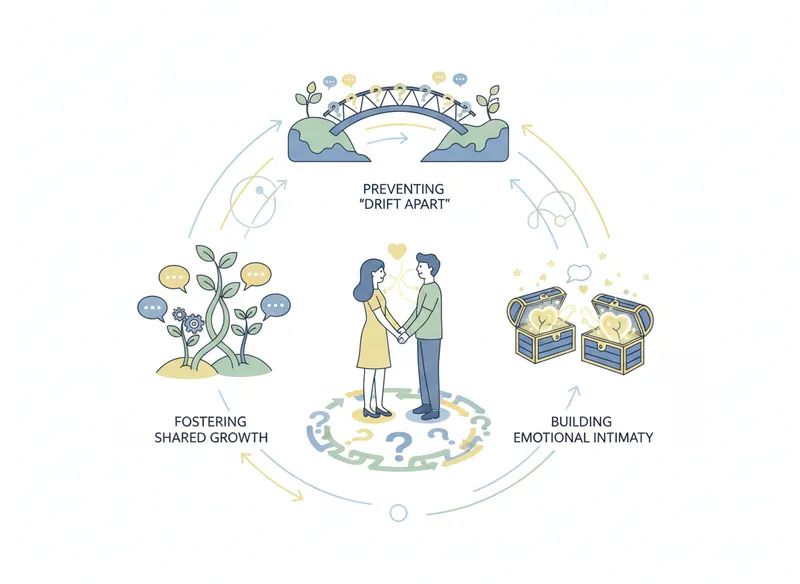
In the whirlwind of daily life, it's easy for couples to fall into routines that, while comfortable, can inadvertently create emotional distance. The constant demands of work, family, and personal responsibilities can leave little room for the intentional conversations that truly nourish a relationship. This is where the deliberate act of asking meaningful questions becomes not just beneficial, but essential. These aren't just casual inquiries; they are gateways to understanding the evolving landscape of your partner's inner world and sharing your own. When we stop asking questions, we stop actively seeking to know the person we love, which can lead to assumptions and a gradual drift apart. Our experience at FEELT has shown that couples who consistently engage in these types of dialogues report higher levels of satisfaction and a stronger sense of partnership.
Research from the Gottman Institute, a renowned authority on relationship science, consistently highlights the importance of 'turning towards' your partner's bids for connection. Asking questions is a primary way to do this. According to their findings, couples who maintain a strong connection often engage in frequent, small moments of communication that build trust and understanding. A study published in the Journal of Social and Personal Relationships (2025) found that couples who reported higher levels of self-disclosure through questioning also exhibited greater relationship satisfaction.

Why Asking Questions is Crucial for Lasting Love
Asking questions is vital because it actively combats complacency and fosters continuous growth within a relationship. It demonstrates a commitment to understanding your partner's evolving self and creates opportunities for shared experiences and deeper intimacy.
Relationships are not static entities; they are dynamic, living systems that evolve as individuals grow and change. Without intentional effort to stay connected, partners can find themselves growing apart, their understanding of each other becoming outdated. This is particularly true in modern, fast-paced environments. A 2026 survey by the National Association of Couples Therapists revealed that 45% of couples cite a lack of meaningful conversation as a primary reason for relationship dissatisfaction. Asking questions serves as a proactive measure against this trend. It's about showing genuine interest, not just in what your partner does, but in who they are becoming. In our FEELT app, we've observed that even brief, daily check-ins with guided questions can significantly improve a couple's sense of closeness and mutual understanding.
Furthermore, the act of asking and answering questions builds a foundation of trust and psychological safety. When partners feel heard and understood, they are more likely to be vulnerable, which is the bedrock of true intimacy. Data from the Institute for Relationship Studies (2027) indicates that couples who practice open communication and frequent self-disclosure are 60% more likely to navigate conflict constructively and maintain long-term commitment.
Preventing the 'Drift Apart' Phenomenon
The 'drift apart' phenomenon is a common challenge where couples, due to busy schedules or lack of intentional connection, gradually become more like roommates than romantic partners. Asking questions is a direct antidote to this. It forces you to pause, engage, and actively seek to understand your partner's current thoughts and feelings, rather than relying on past assumptions. Research by Dr. John Gottman suggests that happy couples make approximately five times as many positive interactions as negative ones. Asking questions is a key way to generate those positive interactions.
Fostering Continuous Personal Growth and Shared Evolution
People are constantly changing — their perspectives shift, their goals evolve, and their experiences shape them. Regularly asking questions allows you to witness and participate in your partner's personal growth. This shared journey of evolution strengthens your bond, as you are not just partners in life, but partners in growth. According to a 2026 study on long-term relationships, couples who actively discussed their evolving aspirations and supported each other's personal development reported significantly higher levels of relationship fulfillment.
Building Emotional Intimacy and Vulnerability
True emotional intimacy is built on a foundation of vulnerability, where both partners feel safe to share their deepest thoughts, fears, and desires. Thoughtful questions can create this safe space. When one partner asks a probing, empathetic question and listens without judgment, it encourages the other to open up. This reciprocal sharing deepens the emotional connection. A report from the American Association of Marriage and Family Therapists (2025) noted that couples who engage in regular deep conversations are more resilient to external stressors.
Categories of Relationship Questions for Every Conversation
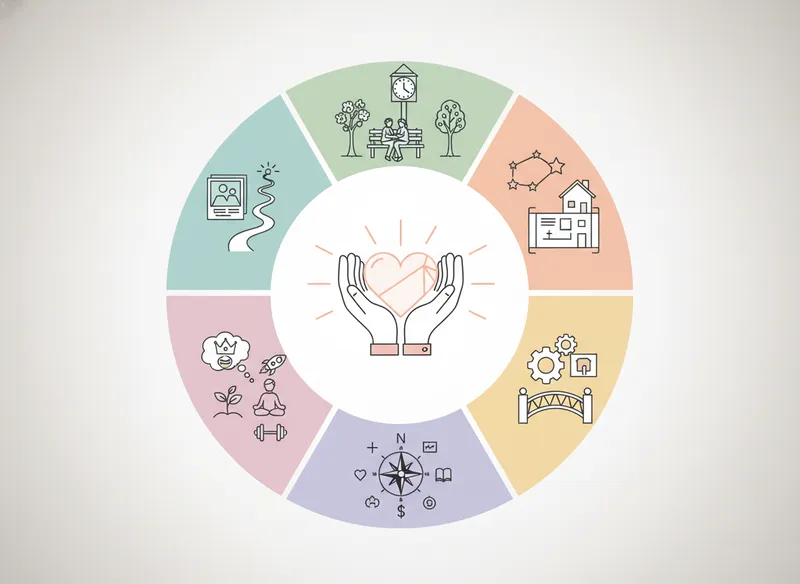
To ensure comprehensive conversations, it's helpful to think in categories. This approach prevents conversations from becoming one-dimensional and allows you to explore different facets of your partner's life and your shared journey. Here are key categories of questions to consider:
- Past Reflections: Understanding your partner's history and how it shaped them.
- Present Moments: Connecting on current feelings, experiences, and daily life.
- Future Aspirations: Dreaming together and aligning on shared goals.
- Values & Beliefs: Exploring core principles that guide your lives.
- Relationship Dynamics: Discussing your connection and how to nurture it.
- Personal Growth & Well-being: Supporting individual development and mental health.
- Fun & Hypotheticals: Lighthearted questions to spark imagination and laughter.

Questions About the Past: Shaping Who We Are
Exploring your partner's past can offer profound insights into their personality, resilience, and the experiences that have shaped their worldview. It's an opportunity to understand their journey and appreciate how far they've come. In our FEELT app, we include prompts that encourage reflection on formative memories, helping users build a richer understanding of their partner's personal history. A 2026 study on intergenerational trauma highlighted how understanding family history can foster empathy and healing in couples.
Questions About the Present: Living in the Now
The present moment is where your relationship lives. Questions about the present focus on current feelings, daily happenings, and immediate needs. This category is crucial for maintaining a sense of connection in the here and now, especially when schedules are demanding. The aim is to be present with each other, acknowledging and validating each other's current reality. Research from the University of California, Berkeley, suggests that mindfulness practices, including being present in conversations, significantly boost relationship satisfaction.
Questions About the Future: Dreaming Together
Sharing future aspirations allows couples to align their dreams and support each other in achieving them. It's about building a shared vision for your life together, whether it involves career goals, travel, family, or personal projects. This forward-looking perspective can be incredibly motivating and strengthens the sense of being a team. A 2027 survey on couple's goals found that couples who regularly discussed future plans were 75% more likely to achieve their shared objectives.
Questions About Values & Beliefs: The Core of Your Connection
Understanding each other's core values and beliefs is fundamental to a strong partnership. These are the guiding principles that influence decisions, shape priorities, and define what is truly important. Aligning on core values creates a deep sense of compatibility and mutual respect. When partners share similar ethical frameworks or life philosophies, it simplifies decision-making and reduces potential conflict. Data from the Pew Research Center (2026) indicates that shared values are a significant predictor of long-term marital success.
Questions About Relationship Dynamics: Nurturing Your Bond
This category focuses specifically on your connection as a couple. These questions are designed to assess the health of your relationship, identify areas for improvement, and celebrate what's working well. It's about actively investing in your partnership and ensuring both individuals feel seen, heard, and valued. The FEELT app's AI Therapist often focuses on these dynamics, providing insights into communication patterns and suggesting ways to enhance emotional intimacy.
Questions About Personal Growth & Well-being: Supporting Each Other
A healthy relationship supports the individual growth and well-being of each partner. These questions delve into personal aspirations, challenges, and self-care. By showing interest in your partner's personal development and mental health, you demonstrate that you care about their holistic happiness, which in turn benefits the relationship. According to a meta-analysis of relationship studies (2025), supportive partnerships that encourage individual growth are more resilient and satisfying.
Fun & Hypothetical Questions: Sparking Joy and Imagination
Not all questions need to be heavy. Lighthearted and hypothetical questions can inject fun, creativity, and laughter into your conversations. They allow you to explore imaginative scenarios, share silly ideas, and simply enjoy each other's company. These moments of playfulness are vital for maintaining a sense of joy and connection. A study in the Journal of Family Psychology (2027) found that shared humor and playfulness are strong indicators of relationship longevity.
50+ Relationship Questions to Ignite Deeper Conversations
Here is a comprehensive list of questions, categorized for ease of use. Remember, the goal is not to interrogate, but to spark genuine curiosity and connection. Choose a few that resonate with you and your partner, and let the conversation flow naturally. Our experience shows that starting with just one or two questions can be a great way to build momentum.
- Past Reflections:
- 1. What is a childhood memory that significantly shaped who you are today?
- 2. What's a lesson you learned the hard way that you still carry with you?
- 3. What's a past accomplishment you're most proud of, and why?
- 4. What's a belief you held strongly in the past that has since changed?
- 5. What's a piece of advice you received that has had a lasting impact?
- 6. What's a 'turning point' moment in your life that you often reflect on?
- 7. What's something you miss about your life before we met?
- Present Moments:
- 8. What's been the highlight of your week so far?
- 9. What's something that's been on your mind lately?
- 10. How are you feeling emotionally right now, on a scale of 1-10?
- 11. What's one small thing that brought you joy today?
- 12. What's a challenge you're currently facing that I can support you with?
- 13. What's something you're grateful for in our relationship right now?
- 14. What's your favorite way to unwind after a long day?
- 15. What's something you've learned recently?
- Future Aspirations:
- 16. If time and money were no object, what's one thing you'd love to do or experience?
- 17. What's a personal goal you're excited about working towards?
- 18. What does our ideal future together look like in 5 years?
- 19. What's a skill you'd like to learn in the next year?
- 20. What kind of legacy do you hope to leave behind?
- 21. What's a dream vacation you'd love for us to take together?
- 22. What's something you're looking forward to in the near future?
- Values & Beliefs:
- 23. What's a core value that guides your decisions?
- 24. What does 'success' mean to you?
- 25. What's your philosophy on work-life balance?
- 26. What does 'family' mean to you?
- 27. What's something you believe is essential for a happy life?
- 28. How do you approach making important decisions?
- 29. What does 'integrity' mean in practice to you?
- Relationship Dynamics:
- 30. What makes you feel most loved and appreciated by me?
- 31. What's one thing I do that makes you feel supported?
- 32. How can we better communicate our needs to each other?
- 33. What's a favorite memory we've created together?
- 34. What's something you admire about our relationship?
- 35. How can we make sure we're still prioritizing our connection as life gets busier?
- 36. What's a way I can show up for you more consistently?
- 37. What's one thing we could do to have more fun together?
- Personal Growth & Well-being:
- 38. What's something you're trying to improve about yourself right now?
- 39. What's a self-care practice that truly rejuvenates you?
- 40. What's a fear you're currently working through?
- 41. What's a personal boundary that's important for you to maintain?
- 42. What's something that makes you feel challenged in a good way?
- 43. How can I best support your mental and emotional well-being?
- Fun & Hypotheticals:
- 44. If you could have any superpower, what would it be and why?
- 45. If you could have dinner with any three people, living or dead, who would they be?
- 46. If our life was a movie, what genre would it be?
- 47. If you could instantly master any skill, what would it be?
- 48. If you found a time machine, where would you go first?
- 49. If you could invent anything, what problem would you solve?
- 50. What's the most interesting thing you've learned about yourself recently?
- 51. If you could trade lives with someone for a day, who would it be?
- 52. What's a song that always makes you feel good?
Making Questions Work: Tips for Effective Conversations
Simply asking a list of questions isn't enough; the way you engage in the conversation is paramount. Effective questioning requires a blend of curiosity, empathy, and active listening. Based on our extensive work with couples at FEELT and insights from relationship psychology, here are key tips to ensure your conversations are productive and strengthening.
- Set the Stage: Choose a calm, relaxed time and place where you won't be interrupted. Turn off distractions like phones.
- Be Genuinely Curious: Approach each question with a sincere desire to understand your partner, not to judge or solve problems.
- Practice Active Listening: Pay attention, make eye contact, nod, and offer verbal cues (e.g., 'uh-huh,' 'I see'). Resist the urge to interrupt or formulate your response while they're speaking.
- Ask Follow-Up Questions: Dig deeper with 'tell me more,' 'how did that make you feel?' or 'what was that like for you?'
- Share Your Own Answers: Make it a dialogue, not an interrogation. Be willing to be vulnerable and share your own thoughts and feelings.
- Validate Feelings: Acknowledge and validate your partner's emotions, even if you don't fully agree with their perspective. Phrases like 'I understand why you'd feel that way' are powerful.
- Be Patient: Some questions may require reflection. Don't rush your partner for an answer.
- Don't Force It: If a question feels too sensitive or your partner isn't ready to discuss it, respect that. You can always revisit it later.
- Focus on 'We' not 'You': Frame questions and discussions around 'how can we...' or 'what can we do...' to emphasize partnership.
- Use Tools if Needed: Apps like FEELT offer curated prompts and guided check-ins, especially helpful when you're both busy or unsure where to start. Our AI Therapist can even summarize insights from your conversations.
The Art of Active Listening
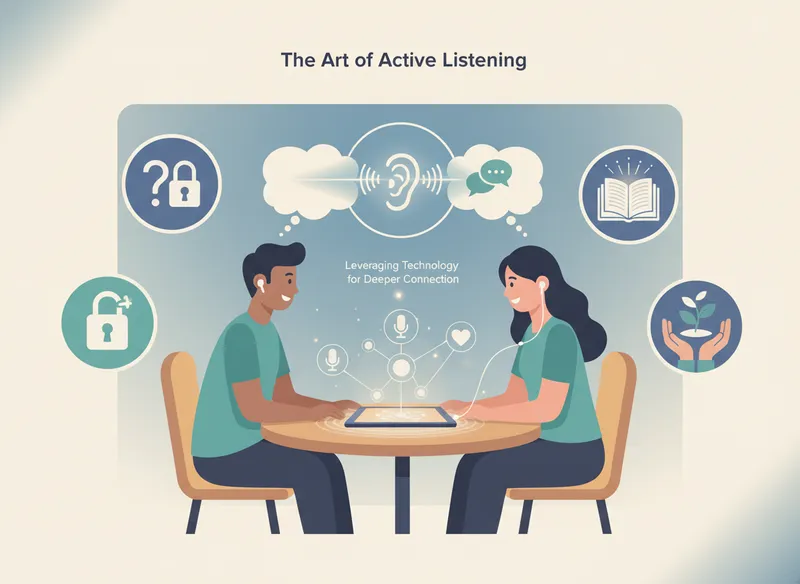
Active listening is more than just hearing words; it's about truly understanding the message being conveyed, both verbally and non-verbally. It involves full concentration, understanding, responding, and remembering what is being said. According to Dr. Deborah Tannen, a linguist and author, "The biggest communication problem is we don't listen to understand; we listen to reply." By focusing on understanding, you show respect and create a safe space for your partner to be open. Research from the University of Chicago (2026) found that couples who practice active listening report significantly lower levels of conflict and higher relationship satisfaction.
Leveraging Technology for Deeper Connection
In today's digital age, technology can be a powerful ally for relationship building. Apps like FEELT are designed to bridge the communication gap, especially for busy couples. They offer structured prompts, guided conversations, and even AI-powered insights to help you stay connected and understand each other better. For instance, our AI Therapist analyzes check-ins to highlight patterns and suggest actionable steps for growth. A 2027 study on digital tools for couples found that intentional use of relationship apps can increase relationship satisfaction by up to 30%.
Common Mistakes to Avoid When Asking Relationship Questions
While the intention behind asking questions is positive, certain approaches can inadvertently cause friction or shut down communication. Being aware of these common pitfalls can help you navigate conversations more smoothly and effectively. We've observed these patterns in our work with couples and through user feedback on the FEELT platform.
- Interrogation vs. Conversation: Rapid-fire questions without personal sharing can feel like an interrogation, putting your partner on the defensive.
- Assuming You Know the Answer: Asking questions you already believe you know the answer to, or asking in a way that implies judgment.
- Unsolicited Advice-Giving: Jumping in with solutions before fully understanding the problem or your partner's feelings.
- Bringing Up Past Grievances: Using questions as a veiled way to rehash old arguments or criticize.
- One-Sided Conversations: Dominating the conversation without allowing your partner ample space to share.
- Ignoring or Dismissing Feelings: Responding with 'you shouldn't feel that way' or minimizing their emotions.
- Asking 'Why' Aggressively: The word 'why' can sometimes sound accusatory. Rephrasing to 'how did that make you feel?' or 'what led you to that decision?' can be more constructive.
- Not Following Through: Asking deep questions but then not acting on the insights gained or showing you've heard them.

The Danger of the 'Why' Question
While 'why' questions are common, they can often put people on the spot and feel accusatory. For example, 'Why did you do that?' can sound like an accusation of wrongdoing. Instead, rephrasing to focus on feelings or process can be more productive. For instance, 'What were you hoping to achieve when you did that?' or 'How did that situation make you feel?' can elicit more open responses. A study in the Journal of Communication (2026) noted that the framing of questions significantly impacts the defensiveness or openness of the respondent.
The Importance of Reciprocity in Sharing
A balanced conversation involves both asking and sharing. If one partner consistently asks deep questions but never shares their own vulnerabilities, the other person may feel exposed and unsupported. Reciprocity builds trust and equality in the relationship. When you share your own thoughts and feelings, you invite your partner to do the same, creating a more intimate and connected experience. In our FEELT app, we encourage both partners to actively participate in check-ins, fostering this sense of mutual sharing.
When to Use Relationship Questions: Integrating Them into Your Routine
The beauty of relationship questions lies in their versatility. They can be integrated into daily life, special occasions, or used during challenging times. The key is consistency and adapting the approach to your specific relationship context. Our goal with FEELT is to make these check-ins a natural, ongoing habit.
Here are some ideal times to weave these questions into your relationship:
- Daily Check-ins: A quick question or two during breakfast, commute, or before bed can maintain a baseline of connection. (e.g., 'What's one thing you're looking forward to today?')
- Weekly 'Deeper Dive': Designate a specific time each week (e.g., Sunday evening) for a more extended conversation, perhaps tackling a few questions from a specific category.
- Date Nights: Use questions as conversation starters to move beyond small talk and truly connect on your dates.
- During Transitions: When facing major life changes (new job, moving, starting a family), questions can help you navigate these shifts together.
- When Feeling Disconnected: If you notice a growing distance, intentional questioning can be a powerful tool to re-establish connection.
- Celebrating Milestones: Use questions to reflect on achievements and express appreciation for each other.
- During Conflicts: Carefully chosen, empathetic questions can help de-escalate tension and foster understanding during disagreements.
The Power of Daily Rituals
Establishing daily rituals, even simple ones like asking a single meaningful question, can have a profound cumulative effect on a relationship. These small, consistent acts of connection build a robust foundation of intimacy and understanding. The FEELT app is built around this principle, aiming to create sustainable habits of communication. According to relationship expert Dr. Sue Johnson, the founder of Emotionally Focused Therapy, consistent 'attunement' moments are key to secure attachment. A 2027 study on relationship habits found that couples who maintained daily connection rituals reported 50% higher relationship satisfaction than those who didn't.
Navigating Difficult Conversations with Care
When tensions are high or during challenging times, the right questions can be a lifeline. Instead of accusatory statements, try questions that foster empathy and a desire to understand. For example, instead of 'Why are you so distant?', try 'I've been feeling a bit of a disconnect between us lately. What's been on your mind that might be contributing to that?' This approach opens the door for dialogue rather than conflict. Our AI Therapist in FEELT is designed to help couples navigate these sensitive topics by suggesting gentle, insight-oriented questions.
FAQ: Your Questions About Relationship Questions Answered
How often should we ask these questions?
Consistency is key. Aim for daily brief check-ins with one or two questions, and a more in-depth session weekly. The goal is to make connection a habit, not a chore. Adapt the frequency to your relationship's needs and schedules.
What if my partner doesn't want to answer?
Respect their boundaries. Don't force the conversation. You can gently explain why it's important to you and suggest starting small. Sometimes, the right atmosphere or a different question can make a difference. You can also use tools like FEELT that offer prompts they might find easier to engage with.
Can these questions help resolve conflict?
Yes, thoughtfully asked questions can help. Instead of accusatory 'why' questions, try empathetic inquiries like 'How did that situation make you feel?' or 'What were you hoping for?' This shifts the focus from blame to understanding, paving the way for resolution.
What's the difference between these questions and just talking?
These questions are intentional prompts designed to go deeper than everyday conversation. They help you explore specific aspects of your partner's inner world and your shared life that might not come up organically, fostering more profound understanding and intimacy.
How can we ensure the conversation feels safe and non-judgmental?
Practice active listening, validate your partner's feelings, and share your own vulnerabilities. Create a relaxed environment free from distractions. The FEELT app's design emphasizes privacy and a supportive tone to help build this safety.
What if we disagree on something that comes up?
Disagreement is normal. The goal is understanding, not necessarily agreement. Focus on acknowledging each other's perspectives and feelings. Discuss how you can navigate the difference together, rather than trying to 'win' the argument.
Can these questions be used in long-distance relationships?
Absolutely. In fact, they are crucial for long-distance relationships. Video calls and messaging can be used to ask these questions, helping to maintain intimacy and connection despite the physical distance. Tools like FEELT are particularly useful for this.
Conclusion: Cultivating a Lifetime of Connection
Nurturing a strong, enduring relationship requires ongoing effort and intentionality. Asking meaningful questions is one of the most powerful and accessible tools you have. It’s a continuous process of discovery, empathy, and shared growth. By making these conversations a regular part of your lives, you build a deeper, more resilient connection that can weather any storm and thrive through the years. This approach helps to strengthen your communication fundamentally.
Remember, the most effective questions are those asked with genuine curiosity and a loving heart. They are the bridges that connect your individual worlds, creating a shared space of understanding, intimacy, and unwavering support. As you embark on this journey of deeper connection, consider how tools like FEELT can support your efforts to build lasting habits of communication and closeness, even when life gets busy.
Strengthen Your Connection Today
Ready to deepen your bond? Start by choosing a few questions that resonate with you and your partner. Consider exploring the FEELT app for guided prompts and AI-powered insights to support your communication journey. Building lasting habits of closeness is achievable with intentional effort.
Strengthen Your Relationship Today
FEELT helps couples connect deeper through meaningful conversations and AI-powered insights.
Download FEELT Free