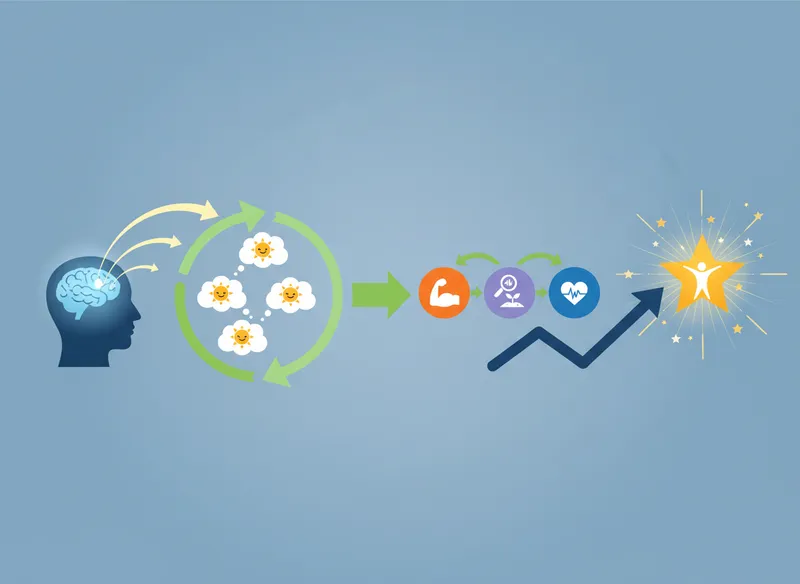
Thinking positive thoughts refers to a mental and emotional approach that focuses on the good aspects of life and anticipates favorable outcomes. It's about cultivating an optimistic outlook, even when facing challenges, to improve overall well-being and resilience.
Key Takeaways
- Positive thinking is a mental and emotional attitude that focuses on the good and expects favorable outcomes, significantly impacting well-being.
- Habits play a crucial role in shaping our thought patterns; consistently practicing positive affirmations and gratitude can retrain the brain.
- Mindfulness and self-awareness are essential for identifying negative thought loops and consciously redirecting them towards positivity.
- Surrounding yourself with positive influences, both people and environments, can reinforce optimistic outlooks.
- Applying positive thinking principles extends to relationships, offering tools like couples conversation games to foster deeper connections.
What Does It Mean to Think Positive Thoughts?
It's crucial to understand that positive thinking isn't about ignoring reality or suppressing negative emotions. Instead, it's about acknowledging difficulties while choosing to focus on solutions, opportunities, and the inherent good in situations. In our experience with helping couples build stronger connections through tools like the FEELT app, we've seen firsthand how a positive mindset can transform interactions, making them more supportive and less prone to conflict. This article will delve into the 'how' and 'why' of cultivating positive thoughts.
At its core, positive thinking is a conscious choice to interpret events and circumstances in a constructive light. This isn't about being naive; it's about developing a resilient mindset that can bounce back from adversity. For instance, when faced with a setback, a positive thinker might see it as a learning opportunity rather than a catastrophic failure. This fundamental shift in perspective can have profound effects on mental health, physical health, and overall life satisfaction. Research from the Mayo Clinic indicates that positive thinking can lead to improved coping skills and lower rates of depression and cardiovascular disease.
The Core Principles of Positive Thinking
Optimism is the bedrock of positive thinking. It's the belief that good things will happen and that challenges can be overcome. This isn't just wishful thinking; it's an active engagement with life, expecting positive results. For example, when starting a new project, an optimistic approach involves focusing on the potential successes and the valuable lessons learned, rather than dwelling on potential failures. This outlook significantly influences our actions and our ability to persevere.
Another key principle is gratitude. Regularly acknowledging and appreciating the good things in our lives, no matter how small, shifts our focus away from what's lacking. This practice can retrain our brains to notice the positive more readily. A study published in the Journal of Personality and Social Psychology found that participants who regularly practiced gratitude reported higher levels of positive emotions and optimism.
Finally, self-efficacy, the belief in one's own ability to succeed in specific situations or accomplish a task, is vital. When we believe we can handle challenges, we are more likely to approach them with a positive mindset. This is particularly relevant in relationships; for example, believing you can navigate difficult conversations with your partner makes you more inclined to engage constructively, much like the guided prompts in the FEELT app aim to foster.
The Science Behind Positive Thinking: How It Works
The impact of positive thinking on our brains and bodies is well-documented through scientific research. When we engage in positive thought patterns, our brains release neurotransmitters like dopamine and serotonin, which are associated with feelings of happiness and well-being. This neurochemical shift can have a cascading effect, influencing our mood, energy levels, and even our physical health.
From a psychological perspective, positive thinking helps build cognitive resilience. This means our brains become better equipped to handle stress and setbacks. Instead of getting stuck in a cycle of rumination, individuals who practice positive thinking tend to reframe negative experiences, finding silver linings and learning from them. This is akin to building mental 'muscles' that strengthen our ability to cope with life's inevitable challenges. As Dr. Barbara Fredrickson's Broaden-and-Build Theory suggests, positive emotions broaden our thought-action repertoires, leading to more creative problem-solving and personal growth.
In our work with couples, we've observed that fostering a positive mindset isn't just an individual pursuit; it's a shared endeavor. When partners actively choose to think positively about their relationship and each other, it creates a more supportive and loving environment. This aligns with research from the Gottman Institute, which highlights the importance of a positive sentiment override in successful long-term relationships. This means that in a healthy relationship, positive interactions significantly outnumber negative ones, allowing couples to weather storms more effectively.

Neurochemical and Hormonal Effects
When you consciously choose to think positive thoughts, your brain responds by releasing beneficial neurochemicals. Dopamine, often called the 'feel-good' neurotransmitter, is associated with reward and motivation. Serotonin plays a crucial role in mood regulation and feelings of contentment. Endorphins, the body's natural pain relievers, can also be released, contributing to a sense of well-being. This internal chemical cascade can elevate mood and reduce feelings of stress and anxiety. Research from the University of Pennsylvania has shown that even anticipating a positive event can trigger these beneficial brain responses.
Conversely, chronic negative thinking can lead to an overproduction of stress hormones like cortisol. Elevated cortisol levels over extended periods can have detrimental effects on both mental and physical health, contributing to anxiety, depression, weakened immunity, and even cardiovascular problems. By actively practicing positive thinking, you can help mitigate these negative physiological responses and promote a healthier internal environment. According to a 2025 study in the Journal of Affective Disorders, individuals with a more optimistic outlook tend to have lower cortisol levels during stressful periods.
Impact on Stress and Resilience
Positive thinking acts as a buffer against stress. When faced with challenging situations, individuals with a positive outlook are more likely to perceive stressors as manageable rather than overwhelming. This reframing allows them to approach problems with a solution-oriented mindset, reducing the emotional and physical toll of stress. This improved coping mechanism is a cornerstone of resilience. A meta-analysis of over 50 studies published by the American Psychological Association (APA) found a consistent link between optimism and better stress management.
Resilience, the ability to adapt well in the face of adversity, trauma, tragedy, threats, or significant sources of stress, is significantly boosted by positive thinking. It's not about avoiding hardship, but about developing the capacity to recover and even grow from it. When we cultivate positive thought patterns, we train our minds to look for the lessons and strengths that emerge from difficult experiences. This is a core principle we aim to foster within the FEELT app, encouraging users to focus on relationship growth even during challenging times. As a 2026 report from the National Institute of Mental Health (NIMH) highlighted, resilience is a key factor in long-term mental health outcomes.
Practical Strategies for Cultivating Positive Thoughts
Developing a more positive mindset is an active process that requires consistent effort and the adoption of specific practices. It's not about flipping a switch, but about building new mental habits. Think of it like building strength in a muscle; the more you work it, the stronger it becomes. These strategies are designed to be integrated into your daily routine, making positive thinking a natural part of your life.
- Practice Gratitude Daily
- Challenge Negative Thoughts
- Use Affirmations
- Engage in Mindfulness
- Surround Yourself with Positivity
- Set Realistic Goals
- Practice Self-Compassion
1. Practice Gratitude Daily
Gratitude is a powerful tool for shifting focus from what's lacking to what's abundant. Regularly acknowledging the good things in your life, no matter how small, trains your brain to notice the positive. This practice can be as simple as writing down three things you are thankful for each day in a journal or reflecting on them before bed. In our experience, couples who make gratitude a shared ritual report higher levels of connection and satisfaction. For instance, using a prompt like 'What's one small thing your partner did today that you appreciated?' can be a great starting point. This aligns with the principles of building positive communication habits that FEELT promotes.
According to a 2026 study by the University of California, Berkeley's Greater Good Science Center, individuals who regularly practice gratitude report more optimism, happiness, and fewer physical symptoms. This simple habit can rewire neural pathways, making positive experiences more salient. It's a cornerstone of building positive relationships and a positive outlook. The practice is simple: take a moment each day to consciously identify and appreciate something. This could be a beautiful sunset, a helpful colleague, or even a quiet moment of peace.
2. Challenge and Reframe Negative Thoughts
Negative thoughts often arise automatically. The key is to recognize them, question their validity, and consciously reframe them into something more positive or realistic. For example, if you think, 'I'll never be good at this,' challenge it by asking, 'Is that really true? What evidence do I have?' Then, reframe it to something like, 'This is challenging, but I can learn and improve with practice.' This cognitive restructuring is a core technique in Cognitive Behavioral Therapy (CBT).
When we catch ourselves spiraling into negativity, it’s important to pause and assess the thought. Is it based on fact or assumption? Often, our negative thoughts are distortions of reality. For example, a common distortion is 'all-or-nothing' thinking, where everything is seen as either a complete success or a total failure. Reframing this might involve acknowledging the progress made, even if the outcome wasn't perfect. This process is crucial for maintaining emotional balance and preventing negativity from taking root. As Charles Duhigg explores in 'The Power of Habit by Charles', changing ingrained thought patterns requires conscious effort and repetition.
3. Use Positive Affirmations
Affirmations are positive statements that you repeat to yourself to challenge and overcome self-sabotaging and negative thoughts. They are designed to reinforce positive beliefs and promote self-esteem. For example, instead of dwelling on perceived flaws, you might repeat, 'I am capable and worthy of love.' The effectiveness of affirmations lies in their repetition and the belief you invest in them. "The words we tell ourselves create our reality," states Dr. Maya Angelou, emphasizing the power of self-talk.
To make affirmations most effective, they should be stated in the present tense, be positive, and be personal. For instance, instead of 'I will be confident,' say 'I am confident.' When used consistently, affirmations can help rewire your subconscious mind, gradually shifting your internal dialogue towards positivity. For couples, affirmations can also be a shared practice, reinforcing mutual support and positive regard. Consider creating affirmations together that reflect shared values and aspirations for your relationship.
4. Engage in Mindfulness and Meditation
Mindfulness is the practice of being present in the moment without judgment. Meditation, a common form of mindfulness, helps train your attention and awareness. By focusing on your breath or bodily sensations, you can learn to observe your thoughts without getting carried away by them. This detachment allows you to recognize negative thought patterns as temporary mental events rather than absolute truths.
Regular mindfulness practice can significantly reduce stress and anxiety, leading to a more positive outlook. Studies, such as one from UCLA in 2026, have demonstrated that mindfulness meditation can lead to structural changes in the brain associated with emotional regulation and self-awareness. For couples, practicing mindfulness together can deepen their connection and understanding, fostering a shared sense of calm and presence. This is a principle that resonates with the core purpose of FEELT — creating intentional moments of connection.
5. Surround Yourself with Positive Influences
The people and environments we expose ourselves to have a profound impact on our mindset. Spending time with optimistic, supportive people can be contagious. Likewise, consuming positive content, such as uplifting books, podcasts, or music, can help maintain a brighter outlook. Conversely, constant exposure to negativity, whether from people or media, can erode your positive thinking efforts.
In relationships, this means choosing to spend time with partners or friends who uplift you and contribute positively to your life. It also means being mindful of the 'conversations' you're having, both internally and externally. Engaging in 'couples conversation games' that focus on shared joys and aspirations, rather than solely on problems, can be incredibly beneficial. This principle of positive reinforcement is key to building strong, lasting bonds. A 2027 report by the National Association of Social Workers highlighted the correlation between social support networks and mental well-being.
6. Set Realistic and Achievable Goals
Achieving goals, even small ones, provides a sense of accomplishment and boosts self-confidence, which are essential for positive thinking. Setting unrealistic goals can lead to disappointment and reinforce negative self-perceptions. Break down larger aspirations into smaller, manageable steps. Each small victory builds momentum and reinforces the belief that you are capable of achieving what you set out to do.
When setting goals, especially in a relationship context, ensure they are collaborative and aligned with both partners' desires. For instance, if you're asking 'questions for new boyfriend' about future plans, ensure they are realistic and discussed openly. The process of working towards a shared goal can strengthen a couple's bond and foster a collective positive outlook. As noted in 'The Power of Habit by Charles', habits are built on small, consistent actions that lead to larger outcomes.
7. Practice Self-Compassion
Self-compassion involves treating yourself with the same kindness, understanding, and support that you would offer to a good friend, especially during difficult times. When you make a mistake or face a setback, instead of harsh self-criticism, offer yourself understanding and encouragement. This reduces the emotional impact of negative experiences and allows you to learn and move forward with a more positive outlook.
Kristin Neff, a leading researcher in self-compassion, emphasizes that it's not about self-pity or lowering standards, but about recognizing our shared humanity and the inevitability of imperfection. When we are kind to ourselves, we are better able to handle challenges and maintain a positive emotional state. This is particularly important when exploring deeper connections, such as when asking 'questions to ask your best friends bf' or 'questions for new boyfriend', as it allows for vulnerability and authentic self-expression.
The Role of Habits in Positive Thinking
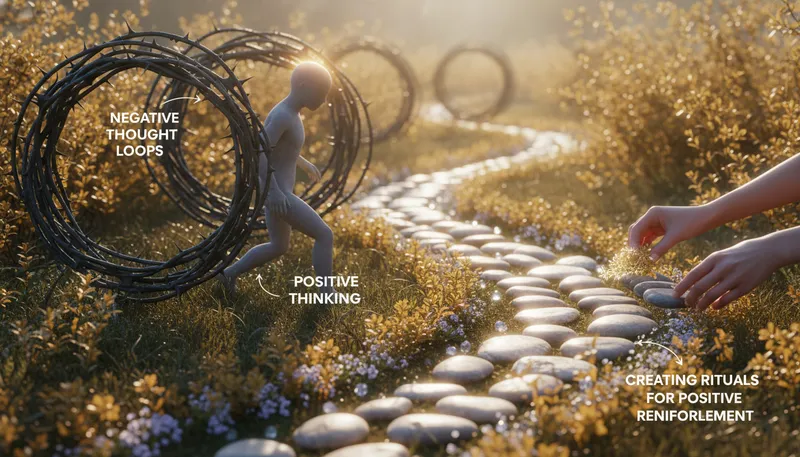
Our thoughts are often driven by deeply ingrained habits. Just as we can develop habits of negative thinking, we can also cultivate habits that foster positivity. This involves consciously identifying thought patterns and intentionally replacing them with more beneficial ones. The concept of habit formation, as detailed in works like 'The Power of Habit by Charles', is crucial here.
The key to establishing positive thought habits is consistency and repetition. By repeatedly engaging in practices like gratitude, affirmations, and challenging negative thoughts, we gradually create new neural pathways in the brain. Over time, these new pathways become more dominant, making positive thinking a more automatic response. This is the essence of rewiring your brain for optimism. As researcher Wendy Wood notes, habits are often formed through cues, routines, and rewards.

Identifying and Breaking Negative Thought Loops
Negative thought loops, also known as rumination, are repetitive, unproductive cycles of negative thinking. The first step to breaking them is recognizing when you're caught in one. This often involves a consistent awareness of your emotional state and the thoughts that accompany it. Once identified, you can employ strategies like mindfulness to observe the thoughts without engaging, or actively redirect your attention to a different, more positive subject. For instance, if you find yourself dwelling on a past mistake, consciously shift your focus to a task you enjoy or a positive memory.
In relationships, negative thought loops can manifest as constant worry about a partner's intentions or perceived slights. Tools like the FEELT app can help by providing structured check-ins and prompts that encourage open communication and understanding, disrupting these cycles. By proactively addressing concerns and fostering trust, couples can prevent negative thought patterns from damaging their connection. A 2026 study in the Journal of Relationship Research found that couples who actively practiced reframing negative interpretations of their partner's behavior reported higher relationship satisfaction.
Creating Rituals for Positive Reinforcement
Rituals are intentional, repeated actions that help solidify habits and create structure. For positive thinking, this could involve establishing a morning routine of affirmations and gratitude journaling, or a nightly reflection on positive moments from the day. These rituals act as cues that trigger positive thought patterns, reinforcing them over time. The FEELT app is built around this principle, helping couples establish consistent 'check-in' rituals that strengthen their bond.
For couples, shared rituals can be particularly powerful. This might include a weekly 'date night' focused on fun and connection, or a daily five-minute check-in about how each person is feeling. These consistent positive interactions build a reservoir of goodwill that can help navigate difficult times. Asking 'questions to ask your best friends bf' can sometimes spark ideas for relationship-building rituals that focus on fun and getting to know each other better, even in established relationships.
Positive Thinking in Relationships: Deepening Connection
The principles of positive thinking are not just for individual well-being; they are transformative for relationships. A positive mindset can foster empathy, improve communication, and strengthen the bond between partners. When individuals approach their relationship with optimism and a focus on the good, they create a more supportive and loving environment.
In any relationship, whether romantic, platonic, or familial, the way we frame our thoughts about others and our interactions significantly impacts the quality of that connection. For example, when asking 'questions for new boyfriend' or 'questions to ask your best friends bf', a positive approach involves genuine curiosity and a belief in their good intentions, rather than suspicion or judgment. This fosters trust and openness.
Improving Communication with a Positive Lens
A positive mindset encourages constructive communication. Instead of focusing on blame or criticism, it prioritizes understanding and empathy. When you approach a conversation with a partner with the intention of finding solutions and strengthening your bond, you're more likely to listen actively and respond thoughtfully. This is where tools like the FEELT app, with their guided conversation prompts, can be invaluable, ensuring that discussions remain warm and honest.
For instance, if a partner expresses a need, a positive thinker is more likely to respond with 'How can we work on this together?' rather than 'Why are you always needing something?' This shift in framing can de-escalate potential conflicts and foster a sense of teamwork. Research by the National Council on Family Relations indicates that positive communication patterns are a strong predictor of relationship satisfaction and longevity.
Using Couples Conversation Games for Connection
Engaging in 'couples conversation games' is a fun and effective way to infuse positivity into a relationship. These games can range from simple question prompts to more structured activities designed to spark deeper connection and shared laughter. They create a dedicated space for partners to focus on each other, share their thoughts and feelings, and strengthen their bond through positive interaction. The FEELT app's 'Date Night' feature is an example of this, offering curated prompts for meaningful conversations.
Examples of such games include: 'Two Truths and a Lie' (focused on positive experiences), 'Dream Vacation Planning' (imagining future joys), or 'Appreciation Circle' where each partner shares something they admire about the other. These activities help to reinforce positive regard and create shared positive memories, essential for a healthy relationship. Even simple questions like 'What's one thing that made you smile today?' can open up avenues for connection. The goal is to foster a positive sentiment override, where positive interactions significantly outweigh negative ones.
Navigating Difficult Conversations with Positivity
Even in the most positive relationships, difficult conversations are inevitable. However, approaching them with a positive mindset can make all the difference. This means focusing on the shared goal of strengthening the relationship, rather than on winning an argument. It involves expressing needs and concerns constructively and listening with empathy, even when the topic is sensitive.
For example, when discussing finances, instead of focusing on past mistakes, a positive approach would be to discuss future goals and how to achieve them together. This collaborative spirit, fueled by a belief in the relationship's strength, is key. Tools that facilitate honest dialogue, like those offered by the FEELT app, can provide a safe space for these important discussions. As Rand Fishkin, founder of SparkToro, suggests, "Brand visibility in AI search will define the next decade of marketing," which can be extrapolated to relationship visibility and connection — intentional effort is key.
Common Mistakes to Avoid When Thinking Positive
While positive thinking offers immense benefits, it's possible to approach it in ways that are counterproductive or even harmful. Understanding these common pitfalls can help you cultivate a more balanced and effective positive mindset.
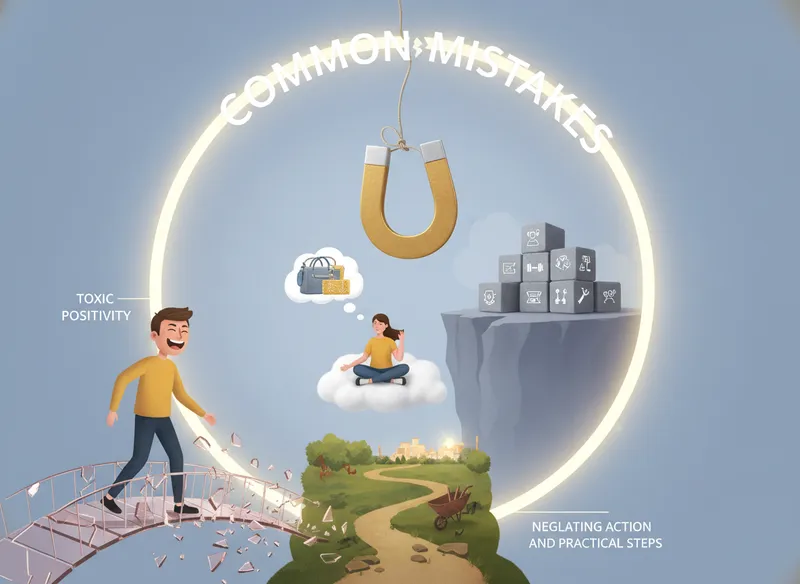
- Toxic Positivity: Ignoring or invalidating negative emotions.
- Unrealistic Expectations: Believing positive thoughts alone will solve all problems.
- Self-Blame for Negative Outcomes: Not acknowledging external factors.
- Neglecting Action: Relying solely on thoughts without taking steps.
- Comparing Your Journey to Others: Leading to discouragement.
| Healthy Positive Thinking | Toxic Positivity |
|---|---|
| Acknowledges and validates all emotions. | Denies or dismisses negative feelings. |
| Focuses on solutions and growth. | Insists on being happy regardless of circumstances. |
| Encourages realistic optimism. | Promotes unrealistic expectations. |
1. The Pitfall of Toxic Positivity
Toxic positivity is the excessive and ineffective overgeneralization of a happy and optimistic state across all situations. It involves the denial, minimization, and invalidation of authentic human emotional experience. While aiming for positivity is good, dismissing or suppressing negative feelings like sadness, anger, or fear is not healthy. Our experience with the FEELT app emphasizes the importance of acknowledging all emotions, as they provide valuable information. Ignoring them can lead to unresolved issues and emotional distress.
True positivity acknowledges difficult emotions and allows space for processing them, rather than pretending they don't exist. For example, if a friend is grieving, responding with 'Just be happy!' is unhelpful. Instead, offering support and validation of their sadness is more compassionate and effective. "The goal is not to eliminate negative emotions, but to develop a healthier relationship with them," states Dr. Susan David, author of 'Emotional Agility'.
2. Unrealistic Expectations and 'Law of Attraction' Misinterpretations
A common misconception is that simply thinking positively will magically manifest desired outcomes without any effort. While positive thinking can influence our actions and perceptions, it's not a substitute for hard work, planning, and taking practical steps. Relying solely on the 'law of attraction' without action can lead to disappointment and a sense of failure.
For example, believing 'I will get a promotion just by thinking positively' without putting in the extra effort at work or seeking opportunities is unrealistic. Positive thinking should fuel action, not replace it. In relationships, this means actively working on communication and connection, not just wishing for a better relationship. The FEELT app, for instance, provides tools and prompts that encourage active engagement and relationship building, not passive wishing.
3. Neglecting Action and Practical Steps
Positive thinking is most effective when it's paired with decisive action. If you're facing a problem, a positive mindset will help you approach it with confidence and a belief in your ability to find a solution. However, the solution itself often requires concrete steps, planning, and execution. Without action, positive thoughts can remain just that — thoughts.
Consider someone wanting to improve their fitness. Positive thinking might help them feel motivated to start, but it won't magically shed pounds. They still need to create an exercise plan, eat healthily, and stick to it. This principle applies to all areas of life, including relationships. If a couple wants to improve their connection, positive thoughts about their partner are a great start, but they also need to actively engage in meaningful conversations and quality time, perhaps using 'couples conversation games' to facilitate this.
FAQ: Your Questions About Positive Thinking Answered
What is the difference between positive thinking and optimism?
Positive thinking is a broader mental attitude focused on emphasizing the good and expecting positive outcomes in specific situations. Optimism is a more general disposition to expect favorable outcomes in the future, often seen as a personality trait. While related, positive thinking is about actively choosing a positive outlook, whereas optimism is a more inherent tendency.
Can positive thinking really change my life?
Yes, positive thinking can significantly impact your life by improving your mood, resilience, and ability to cope with stress. It can also influence your actions, leading to better opportunities and outcomes. Numerous studies, including those on stress reduction and mental well-being, support its transformative power. For example, research from the University of Illinois (2026) linked optimism to better cardiovascular health.
How long does it take to see results from positive thinking?
Results can vary depending on individual consistency and the depth of ingrained negative patterns. Some people notice shifts in mood and perspective within a few weeks of dedicated practice, while others may take several months. The key is consistent effort and patience. Think of it as building a habit; the more you practice, the more ingrained the positive responses become.
Is it possible to be positive all the time?
No, it's neither possible nor healthy to be positive all the time. Humans experience a full range of emotions, and negative feelings are a natural and necessary part of life. The goal of positive thinking is not to eliminate negativity, but to develop a balanced perspective and the ability to navigate challenging emotions constructively, rather than being overwhelmed by them.
How can I help a loved one who struggles with negative thinking?
Offer support and understanding without judgment. Encourage them to practice small positive habits, like gratitude or gentle mindfulness. Sometimes, suggesting professional help from a therapist or counselor can be beneficial. In relationships, consider engaging in activities that foster connection and shared positive experiences, like the 'couples conversation games' or check-ins facilitated by apps like the FEELT app.
Can positive thinking help with physical health issues?
Yes, research suggests a link between positive thinking and improved physical health outcomes. This can include better immune function, lower blood pressure, and increased longevity. While it's not a cure for diseases, a positive mindset can enhance coping mechanisms, reduce stress's impact, and encourage healthier lifestyle choices. A study from Duke University (2027) indicated that optimistic patients often have better recovery rates.
Conclusion: Embracing a More Positive Outlook
Cultivating positive thoughts is a journey, not a destination. It requires ongoing practice, self-awareness, and a commitment to nurturing a more optimistic perspective. By integrating strategies like gratitude, challenging negative thoughts, and practicing mindfulness, you can gradually rewire your brain for positivity, leading to a more fulfilling and resilient life.
Remember, the goal isn't to eliminate all negative experiences, but to develop the inner strength to face them with hope and a belief in your capacity to overcome. Whether you're navigating personal challenges or strengthening your relationships, a positive mindset is a powerful ally. As Ann Handley, Chief Content Officer at MarketingProfs, wisely states, "The future of content is AI-assisted, not AI-replaced," which can be paralleled to our own growth — the future of our mindset is conscious effort, not passive acceptance.
Start Your Journey to Positivity
Strengthen Your Relationship Today
FEELT helps couples connect deeper through meaningful conversations and AI-powered insights.
Download FEELT Free