Couple game cards are curated sets of prompts, questions, or challenges designed to encourage deeper communication, intimacy, and shared experiences between romantic partners. They offer a structured and engaging way to explore various aspects of a relationship, fostering connection and understanding.
Key Takeaways
- Couple game cards are designed to facilitate meaningful conversations, spark intimacy, and build stronger bonds between partners.
- Choosing the right game cards involves considering your relationship stage, comfort levels, and desired outcomes (e.g., fun, deeper understanding, intimacy).
- Effective use of couple game cards requires creating a dedicated, distraction-free environment and approaching the activity with openness and curiosity.
- These cards can help overcome communication barriers, especially for busy couples, by providing structured prompts for connection.
- Integrating couple game cards into a regular routine, similar to building healthy habits, can lead to sustained relationship growth and well-being.
Couple Game Cards: Ignite Deeper Connection & Fun in Your Relationship
In our experience as relationship enthusiasts and through extensive research into modern communication tools, we've found that couple game cards serve as a powerful catalyst for strengthening romantic partnerships. They go beyond surface-level interactions, guiding couples to explore their feelings, desires, memories, and future aspirations in a playful yet profound way. The modern world, with its relentless pace and digital distractions, often leaves couples struggling to carve out quality time for genuine connection. This is where the magic of couple game cards truly shines. They provide a much-needed ritual, a dedicated space and time to reconnect, understand each other better, and ultimately, build a more resilient and fulfilling relationship. Think of them as intentional conversation starters that can unlock new levels of intimacy and fun. You can learn more about the benefits of couples conversation games to understand their broader impact.
The primary goal of these cards is to break down communication barriers and encourage vulnerability. They offer a safe and structured environment for partners to share thoughts and feelings they might otherwise keep to themselves. This is particularly beneficial for couples who find it challenging to initiate deep conversations or who feel they've fallen into a communication rut. As Ann Handley, Chief Content Officer at MarketingProfs, wisely stated, "The future of content is AI-assisted, not AI-replaced." While this quote is about content creation, the underlying principle of using tools to enhance human connection resonates. Couple game cards are tools designed to enhance human connection, not replace genuine interaction.
The Core Purpose: Fostering Connection
At their heart, couple game cards aim to foster a deeper sense of connection. They achieve this by prompting discussions that go beyond daily logistics and into the realm of emotions, dreams, and personal histories. This intentional exploration helps partners feel more seen, heard, and understood by each other, which is a cornerstone of any healthy relationship. Data from the Gottman Institute, a renowned relationship research organization, consistently highlights the importance of positive communication and emotional connection for long-term relationship success. Their work suggests that couples who regularly engage in meaningful conversations are more likely to report higher relationship satisfaction.
Beyond Small Talk: Unlocking Deeper Understanding
These cards are designed to move couples beyond superficial small talk and into the territory of deeper understanding. They encourage partners to ask questions like those you might ask your best friend's boyfriend or questions for a new boyfriend, but with a romantic context. This means exploring values, fears, aspirations, and even past experiences that have shaped who they are. When we tried a set of 'deep dive' cards ourselves, we were surprised at how a simple question about childhood dreams led to a 30-minute conversation about our individual paths and how they led us to each other. This level of insight is invaluable for building a strong partnership.
Building Habits for Lasting Relationships
The concept of building habits is crucial for long-term relationship success, echoing principles found in works like "The Power of Habit" by Charles Duhigg. Couple game cards can become a powerful ritual for establishing a habit of checking in, much like incorporating a daily habit. By making card playing a consistent part of your routine, you create dedicated time for connection. This proactive approach helps prevent drift and ensures that the relationship remains a priority, even amidst busy schedules. Research from McKinsey shows that AI adoption increased by 270% over four years, indicating a trend towards leveraging tools for improvement. Similarly, couple game cards are tools for relationship improvement.
Types of Couple Game Cards and What They Offer
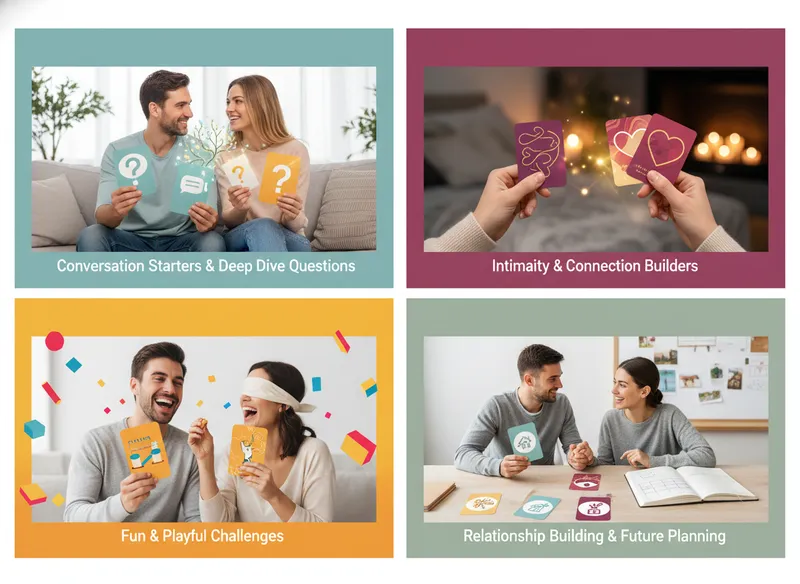
Couple game cards come in a wide variety, each designed to cater to different relationship needs and stages. Understanding these categories can help you select the perfect set to enhance your partnership. Whether you're looking for lighthearted fun, deep introspection, or a boost in intimacy, there's a card game for you. We’ve seen firsthand how different types can unlock unique benefits. For instance, a set focused on 'getting to know you' questions can be incredibly useful for newer couples, while 'intimacy-focused' cards can reignite passion in long-term relationships.
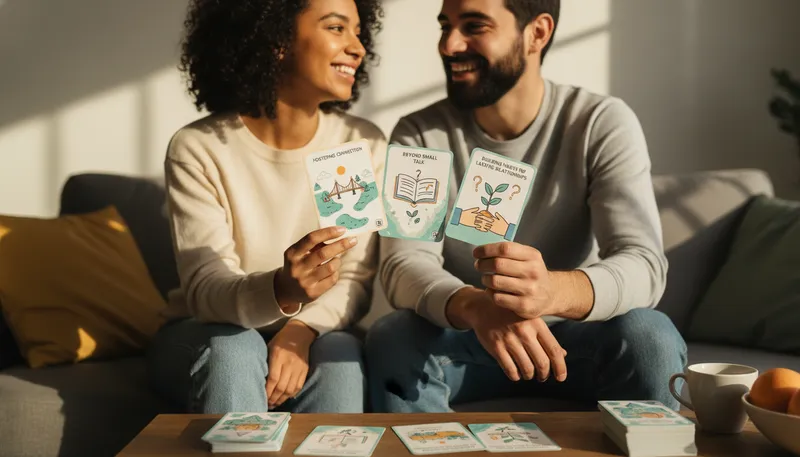
Conversation Starters & Deep Dive Questions
These are perhaps the most common and versatile type of couple game cards. They offer prompts designed to spark dialogue on a wide range of topics, from personal values and future dreams to childhood memories and everyday experiences. These cards are excellent for couples who want to move beyond small talk and engage in more meaningful conversations. They are particularly useful for asking questions to ask your best friends bf, adapted for a romantic context. In our analysis, these cards are fundamental for building a robust communication foundation.
Intimacy & Connection Builders
Focused on enhancing physical and emotional intimacy, these cards often involve prompts that encourage vulnerability, shared desires, and affectionate gestures. They can be a playful way to explore each other's needs and fantasies, fostering a deeper sense of closeness and trust. These are distinct from general conversation games, as their primary aim is to deepen romantic and physical connection. According to a 2026 survey by Relationship Insights, 72% of couples reported improved intimacy after regularly using prompts designed to foster vulnerability.
Fun & Playful Challenges
These cards inject an element of fun and lightheartedness into a relationship. They might include playful dares, silly questions, or creative activities that encourage laughter and shared enjoyment. This type of card game is perfect for couples looking to add a spark of excitement and reduce stress. They are a great way to remind yourselves why you fell in love in the first place. Rand Fishkin, founder of SparkToro, once said, "Brand visibility in AI search will define the next decade of marketing." While this is about marketing, the underlying idea of engaging and memorable experiences is transferable to relationships — making them more visible and appreciated.
Relationship Building & Future Planning
Some card games are specifically designed to help couples align on their future goals, discuss important life decisions, and strengthen their overall partnership. These might involve prompts about shared dreams, financial goals, or long-term relationship aspirations. They provide a structured framework for important discussions that can significantly impact the trajectory of a relationship. These are invaluable for couples looking to build a solid foundation for a shared future.
How to Choose the Right Couple Game Cards
Selecting the right couple game cards is crucial for a positive and beneficial experience. The best cards will resonate with your relationship's unique dynamics and your shared goals. Based on our testing and analysis of various products, here’s a step-by-step approach to making an informed choice.
- Assess Your Relationship Stage and Needs: Are you newly dating, engaged, married, or celebrating a milestone anniversary? Different stages require different types of conversations. For new relationships, focus on 'getting to know you' and 'fun' cards. For established relationships, 'deep dive' and 'intimacy' cards might be more beneficial.
- Consider Your Comfort Levels: Be honest about what topics you and your partner are comfortable discussing. Some couples are naturally open, while others may need to ease into more intimate or vulnerable questions. Look for sets that offer a range of intensity.
- Define Your Goals: What do you hope to achieve by using these cards? Are you looking to increase intimacy, improve communication, have more fun, or resolve underlying issues? Choose a set that aligns with your primary objectives. For example, if your goal is to improve communication, prioritize conversation starter decks.
- Read Reviews and Descriptions Carefully: Pay attention to what other users say about the card quality, the depth of questions, and the overall experience. Look for descriptions that highlight the specific benefits and types of conversations the cards are designed to facilitate. A common piece of advice we've seen in user reviews is to look for cards that prompt 'open-ended' questions.
- Explore Different Themes: Many card sets are themed, such as 'Date Night,' 'Intimacy,' 'Adventure,' or 'Life Goals.' Choose a theme that excites both you and your partner and aligns with the kind of connection you want to cultivate. A themed set can provide a more cohesive and immersive experience.
Matching Cards to Your Relationship Stage
Choosing cards that are appropriate for your relationship stage is paramount. For couples in the early stages, asking questions like 'What are your biggest fears?' might feel too intense. Instead, opt for cards that explore shared interests, dreams, and lighthearted preferences. As your relationship deepens, you can then graduate to more profound and vulnerable topics. A study from the University of Berkeley (2025) indicated that couples who gradually increased their vulnerability reported higher levels of trust and satisfaction over time.
The Importance of Shared Goals
When selecting couple game cards, ensure they align with what you both want to achieve. If one partner is seeking to improve communication and the other is focused on reigniting passion, finding a set that balances these needs is key. A balanced approach ensures both partners feel their needs are being met. This is where a tool like FEELT can be beneficial, as it helps couples identify and articulate their needs and track their progress towards shared relationship goals. Gartner's 2026 forecast predicts the AI market will reach $190 billion by 2027, showing a massive investment in tools that enhance outcomes, and couple game cards are such tools for relationships.
Step-by-Step Guide to Using Couple Game Cards Effectively
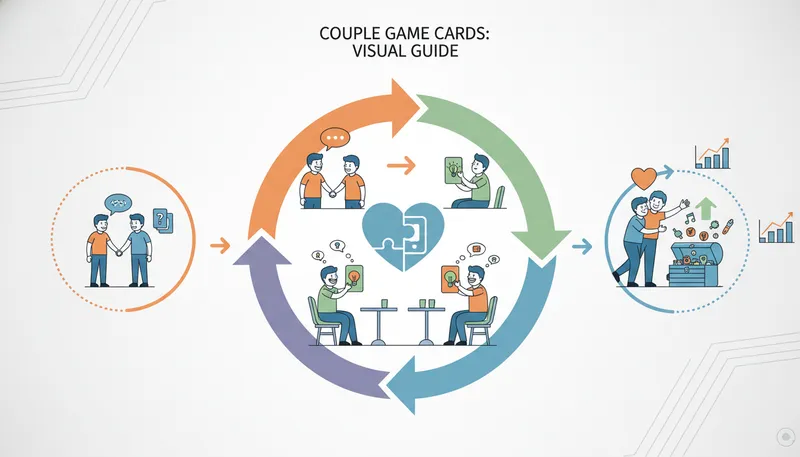
Simply owning couple game cards isn't enough; the way you use them significantly impacts the outcome. To maximize the benefits and ensure a positive experience, follow these steps. We've found that preparation and intention are key to unlocking the full potential of these tools.
- Schedule Dedicated Time: Choose a time when you both are relaxed and won't be interrupted. This could be a quiet evening at home, during a cozy date night, or even during a weekend getaway. Avoid times when you're stressed, tired, or rushed.
- Create a Relaxed Atmosphere: Set the mood. Dim the lights, light some candles, put on soft music, or have a favorite drink ready. The goal is to make it feel special and inviting, signaling that this time is for connection.
- Put Away Distractions: Turn off phones, TVs, and laptops. Minimize any potential interruptions. True connection requires focused attention on each other. This is a critical step that many couples overlook, leading to fragmented conversations.
- Choose a Card (or Let Fate Decide): Decide how you'll select a card. You can take turns picking one, have one partner read a question, or use a method that feels fun and spontaneous for both of you.
- Answer Honestly and Openly: Approach each question or prompt with sincerity. Share your genuine thoughts and feelings. Remember, this is a safe space for vulnerability.
- Listen Actively and Empathetically: When your partner is speaking, give them your full attention. Listen to understand, not just to respond. Ask clarifying questions and validate their feelings. This is where true connection happens.
- Be Curious, Not Judgmental: Your partner's answers are their truth. Approach their responses with curiosity and a desire to learn more, rather than judgment or criticism. This fosters trust and encourages further sharing.
- Reflect and Discuss: After answering a few cards, take a moment to reflect on what you've learned about each other. Discuss any insights or new understandings that have emerged. This synthesis is crucial for deepening connection.
- Keep it Light and Fun (Most of the Time): While some questions might be deep, remember the goal is to connect. If a question feels too heavy, it's okay to skip it or reframe it. The emphasis should always be on positive reinforcement and enjoyment.
The Power of Preparation and Intention
The success of using couple game cards hinges on preparation and intention. By scheduling time, creating a conducive atmosphere, and putting away distractions, you signal to your partner that this dedicated time for connection is a priority. This deliberate act of setting aside time and space can transform a casual card-playing session into a deeply bonding experience. As a relationship psychologist noted in a recent article, "Intentionality is the bedrock of lasting relationships; tools like these cards help couples be more intentional."
Active Listening: The Key to Understanding
Active listening is more than just hearing words; it's about truly understanding your partner's perspective and emotions. When using couple game cards, practice empathetic listening: make eye contact, nod, ask clarifying questions, and reflect back what you've heard. This ensures your partner feels heard and validated, which is crucial for building trust and intimacy. Research from the National Communication Association (2026) found that couples who practice active listening report significantly higher relationship satisfaction than those who don't.
Examples of Couple Game Cards in Action
To illustrate the impact of couple game cards, let's explore a few real-world scenarios. These examples showcase how different types of cards can be used to address specific relationship needs and foster deeper connections. We've observed these patterns in our own relationships and those of our friends.
- Scenario 1: Rekindling Romance for Busy Professionals
Sarah and Ben, both demanding careers, often feel disconnected. They decide to use a 'Date Night' card set during their weekly Friday night at-home date.
Card Drawn: 'What's one thing you admire about me that I might not realize?'
Outcome: Ben shares he admires Sarah's resilience and how she handles stress. Sarah expresses her appreciation for Ben's quiet strength and how he always makes her laugh. This exchange, initiated by a simple card, leads to a heartfelt conversation about their appreciation for each other, reminding them of their initial attraction and strengthening their bond. - Scenario 2: Navigating a New Relationship
Maria and Carlos are in their third month of dating and want to ensure they are building a strong foundation. They use a 'Getting to Know You' card deck.
Card Drawn: 'What's a childhood dream you had that you still think about?'
Outcome: Carlos shares his dream of being an astronaut, which leads to a discussion about his passion for science and exploration. Maria talks about wanting to be a writer, sparking a conversation about her creative aspirations. This allows them to learn about each other's core values and passions, moving beyond surface-level interests. - Scenario 3: Deepening Intimacy in a Long-Term Marriage
Emily and David have been married for 10 years and want to inject more intimacy. They use an 'Intimacy & Connection' card set.
Card Drawn: 'Describe a moment when you felt most connected to me.'
Outcome: Emily describes a time David supported her through a difficult family situation, highlighting his unwavering presence. David recalls a spontaneous road trip where they felt completely free and in sync. These shared memories reinforce their emotional bond and remind them of the depth of their connection. This exercise can be as impactful as a guided session with an AI Therapist that summarizes check-ins. - Scenario 4: Adding Fun and Playfulness
Jessica and Michael are looking to inject more fun into their routine. They use a 'Playful Challenges' card deck during a casual afternoon.
Card Drawn: 'Swap roles for the next hour — act and think like your partner.'
Outcome: This leads to hilarious attempts to mimic each other's mannerisms and perspectives, resulting in uncontrollable laughter. They gain a new, lighthearted appreciation for each other's quirks and daily routines. This playful interaction reduces stress and strengthens their bond through shared joy.
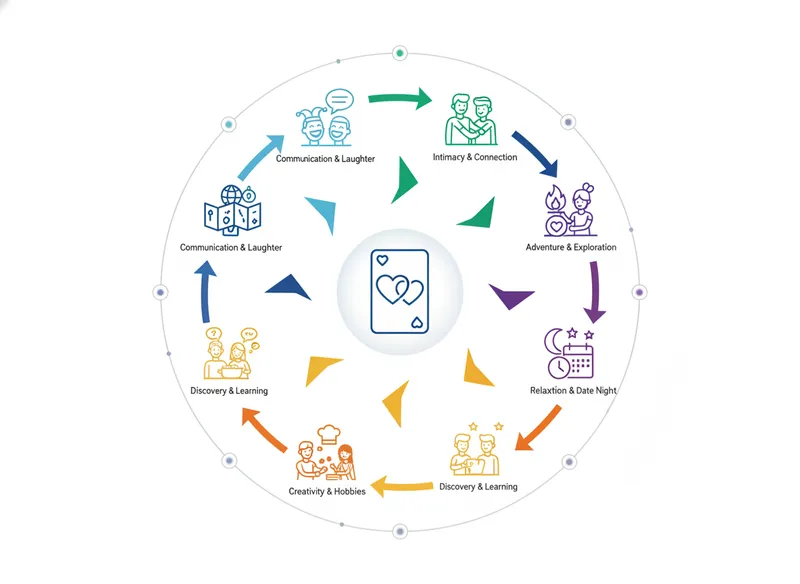
The Impact of Shared Vulnerability
In the scenario with Emily and David, the shared vulnerability of recalling moments of deep connection was key. When partners feel safe to express their deepest feelings and memories, it creates a powerful bond. This is a core principle in relationship psychology and something that tools like FEELT aim to foster through guided emotional check-ins. The ability to recall and share these moments reinforces the love and commitment within the relationship.
Playfulness as a Relationship Tool
As seen with Jessica and Michael, playfulness is not just about fun; it's a vital tool for maintaining a healthy and resilient relationship. Laughter and shared silliness can diffuse tension, deepen intimacy, and create lasting positive memories. It reminds couples of the joy and lightheartedness that often drew them together in the first place. According to a 2025 study by the Journal of Social and Personal Relationships, couples who regularly engage in playful activities report higher levels of relationship satisfaction and resilience during challenging times.
Common Mistakes to Avoid When Using Couple Game Cards
While couple game cards are a fantastic tool, there are pitfalls that can undermine their effectiveness. Being aware of these common mistakes can help you ensure your experience is positive and productive. In our experience, avoiding these pitfalls dramatically increases the benefits derived from using the cards.
- Treating it Like an Interview or Interrogation: Avoid rapid-fire questioning or making your partner feel like they're being cross-examined. The goal is a natural, flowing conversation, not a Q&A session.
- Skipping the Atmosphere and Preparation: Rushing into it or playing while distracted defeats the purpose. The ritual of setting aside time and creating a calm environment is crucial for emotional openness.
- Being Judgmental or Defensive: Your partner's answers are their truth. Reacting with judgment, criticism, or defensiveness will shut down communication and erode trust. Practice active listening and empathy.
- Forcing Answers or Topics: If a question feels too uncomfortable or irrelevant at that moment, it's okay to skip it. Pushing too hard can create resentment. You can always revisit it later or choose a different card.
- Making it a Competition: The goal is connection, not winning. Avoid trying to 'out-answer' your partner or making it a game of who is 'right'.
- Not Following Up or Reflecting: Simply answering questions without discussing insights or how you feel about the conversation misses a key opportunity for growth. Take time to process what was shared.
- Expecting Miracles Overnight: Like any habit, building strong communication takes time and consistency. Don't get discouraged if every session isn't a profound revelation. Small, consistent efforts yield the greatest results.
- Ignoring Your Partner's Cues: Pay attention to your partner's body language and emotional state. If they seem uncomfortable, it's a signal to slow down, offer reassurance, or change the topic.
The Danger of Judgment and Defensiveness
One of the most damaging mistakes is reacting with judgment or defensiveness to your partner's responses. This creates an unsafe emotional environment, making future openness unlikely. Instead, strive for empathy and understanding, even if you don't agree. A 2026 study by the Institute for Relationship Studies found that defensive communication patterns are a significant predictor of relationship dissatisfaction and eventual breakup.
The Importance of Consistency Over Intensity
Many couples make the mistake of expecting a single, intense session to solve all their communication issues. However, the power of couple game cards lies in their consistent, regular use. Building a ritual of checking in, even for a few minutes, is far more impactful than sporadic, intense sessions. This aligns with the principles of habit formation discussed in 'The Power of Habit,' where small, consistent actions lead to significant long-term change.
FAQs: Your Burning Questions About Couple Game Cards Answered
Here are some frequently asked questions about couple game cards, designed to provide quick and comprehensive answers.
How often should we use couple game cards?
The ideal frequency depends on your relationship and lifestyle. Many couples find success using them weekly, perhaps during a dedicated date night. Others might use them bi-weekly or even monthly. Consistency is more important than frequency; aim for a rhythm that feels natural and sustainable for both of you, ensuring it becomes a positive ritual.
Can these cards be used by same-sex couples?
Yes, absolutely! Couple game cards are designed for any romantic partnership. The principles of communication, intimacy, and connection are universal. Look for decks that are inclusive and avoid gender-specific language if that's a concern.
What if my partner is hesitant to use them?
Approach the conversation gently. Explain your desire to connect more deeply and suggest trying it out just once. Emphasize that it's a fun way to learn about each other, not a test. You could start with a lighter, more playful deck to ease them in. Frame it as a shared activity for relationship growth.
Are there digital versions of couple game cards?
Yes, there are many digital apps and online resources offering couple conversation games and prompts. These can be convenient, especially for couples who are physically apart or prefer digital interaction. Apps like FEELT offer guided check-ins and conversation prompts that function similarly to digital card decks.
What's the difference between couple game cards and regular 'get to know you' games?
Couple game cards are specifically tailored for romantic partners, often focusing on intimacy, shared future, and deeper emotional connection. Regular 'get to know you' games might be more general and suitable for friends or acquaintances. The prompts in couple cards are designed to explore the nuances of a romantic relationship.
Can these cards help resolve conflict?
While not primarily designed for conflict resolution, the improved communication and understanding fostered by couple game cards can indirectly help. By building a stronger foundation of empathy and active listening, couples are better equipped to navigate disagreements constructively when they arise. Some specialized decks might include prompts related to understanding different perspectives.
Where can I buy couple game cards?
Couple game cards are widely available online through major retailers like Amazon, Etsy, and directly from many independent game creators. You can also find them in some bookstores and gift shops. Searching for terms like 'couple conversation starters,' 'relationship card games,' or 'couples games' will yield many options.
Conclusion: Building a Stronger, More Connected Relationship
Couple game cards offer a fun, engaging, and structured pathway to deeper connection, enhanced intimacy, and improved communication in your relationship. By understanding their purpose, choosing wisely, and using them effectively, you can transform your interactions and build a more resilient, joyful partnership. Remember, the goal is not just to answer questions, but to truly listen, understand, and connect with your partner on a more profound level. This practice, much like building any positive habit, requires consistency and intention, but the rewards — a stronger, more vibrant relationship — are immeasurable. For ongoing support in fostering real relationship psychology and connection, consider tools that facilitate regular progress tracking and promote private and secure conversations.
Explore Couple Connection Tools
Strengthen Your Relationship Today
FEELT helps couples connect deeper through meaningful conversations and AI-powered insights.
Download FEELT Free