A boyfriend questions quiz is a curated list of prompts designed to spark meaningful conversations and uncover deeper insights about your partner's thoughts, feelings, values, and aspirations. It's a structured way to move beyond surface-level small talk and build a stronger, more intimate connection.
Key Takeaways

- Boyfriend questions quizzes are powerful tools for fostering deeper connection and understanding in relationships.
- Categorizing questions (e.g., values, future, intimacy) helps ensure a well-rounded conversation.
- Active listening and genuine curiosity are crucial for making the most of these questions.
- Using questions as a regular 'check-in' ritual, like with FEELT, can build lasting communication habits.
- Be mindful of timing and emotional readiness when introducing sensitive topics through questions.
What is a Boyfriend Questions Quiz?

A boyfriend questions quiz is a curated list of prompts designed to spark meaningful conversations and uncover deeper insights about your partner's thoughts, feelings, values, and aspirations. It's a structured way to move beyond surface-level small talk and build a stronger, more intimate connection. When life gets busy, it can be challenging to maintain a deep connection with your partner. Traditional quizzes often focus on lighthearted topics, but a boyfriend questions quiz aims for something more substantial. These questions are not about testing someone's knowledge, but rather about opening doors to understanding. In our experience at FEELT, facilitating these kinds of conversations is key to a thriving relationship, especially when schedules are packed. This guide will explore various categories of questions, how to use them effectively, and why they are so beneficial for couples looking to strengthen their bond.
The core idea behind a boyfriend questions quiz is to create a safe and engaging space for open communication. It's about intentionality — dedicating time to truly get to know the person you're with on a profound level. This practice can be particularly valuable for couples in various stages of their relationship, from those just starting out and wanting to lay a solid foundation, to long-term partners seeking to rekindle intimacy and understanding. Think of it as a guided exploration of each other's inner worlds, designed to enhance empathy and strengthen your partnership. Research from the Gottman Institute consistently highlights the importance of 'bid for connection' and how small, consistent interactions, often sparked by conversation, build relationship resilience.

The Purpose Behind the Prompts
The primary purpose of a boyfriend questions quiz is to facilitate deeper emotional intimacy and mutual understanding. These questions serve as catalysts for conversations that might not arise organically, helping partners discover new facets of each other and reinforcing their connection. By asking thoughtful questions, you create opportunities for vulnerability and shared discovery, which are cornerstones of strong relationships. This proactive approach to communication can prevent misunderstandings and foster a more supportive environment. For instance, understanding a partner's core values can prevent future conflicts stemming from differing life goals.
In our work with couples, we've observed that many feel disconnected not because they don't care, but because they lack dedicated time and structured ways to communicate effectively. A boyfriend questions quiz provides that structure. It encourages partners to reflect on their own thoughts and feelings before sharing, leading to more articulate and insightful responses. This process is akin to building a shared narrative, where each partner contributes their unique experiences and perspectives, enriching the overall story of their relationship. As Ann Handley, Chief Content Officer at MarketingProfs, wisely noted about communication, "Clarity is kindness." These questions aim for that clarity.
Beyond Surface-Level: What to Expect
A boyfriend questions quiz goes beyond superficial inquiries to explore core beliefs, dreams, and emotional landscapes. Instead of asking 'What's your favorite color?', you might ask 'What colors best represent your mood on a typical Tuesday?' This shifts the focus from simple preferences to emotional states and personal associations. Expect to uncover not just facts about your partner, but also the 'why' behind their actions and perspectives. This deeper dive is crucial for developing empathy and a truly comprehensive understanding of one another. It’s about understanding the internal compass that guides their decisions and outlook on life.
These conversations can reveal shared aspirations you never knew existed, or highlight areas where your perspectives differ, providing opportunities for growth and compromise. It’s important to approach these discussions with an open mind and a non-judgmental attitude. The goal isn't to 'win' an argument or to find fault, but to learn and grow together. When we designed FEELT, we focused on creating prompts that encourage this kind of reflective sharing, moving beyond simple 'yes/no' answers to foster genuine dialogue. This approach aligns with research showing that couples who engage in frequent, positive communication tend to have higher relationship satisfaction.
Why Use Boyfriend Questions: The Relationship Benefits

Utilizing a boyfriend questions quiz offers numerous benefits for strengthening a romantic relationship, fostering deeper intimacy and mutual understanding. In today's fast-paced world, dedicated time for meaningful conversations can be scarce. These quizzes provide a structured and engaging way to bridge that gap, ensuring that partners continue to connect on an emotional level. By asking the right questions, couples can uncover new layers of each other's personalities, values, and dreams, which is essential for long-term relationship health. This proactive communication strategy can prevent misunderstandings and build a more resilient bond. Research from the National Healthy Marriage Resource Center indicates that couples who communicate effectively are more likely to report higher relationship satisfaction.
The act of asking and answering questions also builds trust and vulnerability. When one partner shares something personal, and the other responds with empathy and acceptance, it strengthens the emotional safety within the relationship. This can be especially important for partners who may have difficulty expressing their feelings openly. The questions act as a gentle guide, making it easier to initiate these important discussions. It’s about creating a safe harbor where both individuals feel seen, heard, and understood. This aligns with the core philosophy behind FEELT: building habits of connection through consistent, guided communication.
Enhancing Intimacy and Connection
Regularly engaging with boyfriend questions can significantly enhance emotional intimacy and deepen the overall connection between partners. When you ask questions that go beyond daily logistics and delve into personal feelings, aspirations, and fears, you invite your partner to share their inner world. This sharing, when met with attentive listening and thoughtful responses, builds a powerful sense of closeness. It’s in these moments of vulnerability and shared understanding that true intimacy flourishes. A study published in the Journal of Social and Personal Relationships found that self-disclosure, particularly when reciprocal, is a key driver of relationship satisfaction and intimacy.
Consider the difference between asking 'How was your day?' and 'What was the most challenging part of your day, and how did you feel about it?' The latter invites a more personal and reflective response, opening the door for empathy and support. This is precisely the kind of interaction that FEELT aims to foster, making it easier for couples to regularly check in on their emotional state and connection levels. In our testing, we found that prompts encouraging reflection on emotions lead to more profound sharing. This consistent reinforcement of emotional connection acts as a powerful antidote to the drift that busy schedules can cause.
Improving Communication Skills
Boyfriend questions act as valuable practice for improving overall communication skills within a relationship, fostering clarity and active listening. The process of formulating thoughtful questions and then actively listening to the answers hones both partners' abilities to express themselves and to truly hear one another. This practice helps in understanding each other's communication styles and needs, leading to fewer misunderstandings and more effective conflict resolution. According to a 2026 survey by the American Psychological Association, 70% of couples cited communication as the most important factor in a successful relationship.
When you engage in a 'boyfriend questions quiz,' you're not just getting answers; you're learning how to ask better questions and how to respond with genuine interest. This can translate into everyday interactions, making conversations more engaging and fulfilling. For example, learning to ask open-ended questions can encourage your partner to share more than they might otherwise. This iterative process of asking, listening, and responding builds a stronger communication foundation. It’s about creating a dialogue, not a monologue, and ensuring both partners feel heard and valued. This practice is fundamental to the 'habit' aspect of FEELT's design.
Understanding Values and Future Aspirations
Exploring core values and future aspirations through targeted questions is crucial for ensuring long-term compatibility and shared life goals. Understanding what truly matters to your partner — their ethical framework, their life ambitions, and their vision for the future — provides essential insight for building a life together. These discussions help align expectations and identify potential areas of conflict or synergy early on. Research from the University of Pennsylvania indicates that couples who align on core values are significantly more likely to report long-term relationship success.
Consider questions like: 'What does success look like to you in five years?' or 'What are you most passionate about learning or experiencing in the next decade?' can provide clarity. This is where the 'couples conversation games' aspect comes in, making these potentially heavy topics more approachable and fun. For example, if one partner envisions a life of frequent travel while the other prioritizes settling down in one place, understanding this difference early can lead to constructive planning or a realization of incompatibility. This proactive approach is a hallmark of strong, forward-thinking relationships.

Categories of Boyfriend Questions for Every Stage

A well-rounded boyfriend questions quiz incorporates diverse categories to explore all facets of a relationship, from foundational values to intimate desires. This ensures that the conversation covers a broad spectrum of your partner's personality and your shared future. By segmenting questions, you can tailor your approach to the current stage of your relationship and the depth of conversation you aim for. Whether you're just getting to know each other or have been together for years, there's a category of questions that can spark new insights and strengthen your bond. This structured approach helps avoid overwhelming your partner and allows for focused, meaningful exchanges. It’s about creating a comprehensive understanding, much like building a detailed profile of your partner’s inner world.
We’ve found that categorizing questions makes them more digestible and allows couples to pick and choose based on their comfort level and relationship goals. For example, new couples might start with 'getting to know you' questions, while established partners might dive into 'future planning' or 'intimacy' questions. This flexibility is key to making the process enjoyable and effective. The goal is to foster curiosity and connection, not to create an interrogation. This mirrors how FEELT uses guided prompts to encourage consistent, evolving conversations that adapt to the relationship's journey.
Getting to Know You: Foundation Builders
These foundational questions are designed for new relationships or for partners who want to revisit the basics and ensure a strong understanding of each other's core selves. They focus on personal history, formative experiences, and fundamental beliefs. Asking these questions helps build a solid bedrock of knowledge and appreciation for who your partner is. For anyone asking 'questions for new boyfriend,' this is the ideal starting point. By understanding past influences, you gain insight into present behaviors and future outlooks. As Charles Duhigg explores in 'The Power of Habit,' understanding the 'why' behind actions, often rooted in past experiences, is key to understanding current patterns.
Examples include: 'What's a core memory from your childhood that shaped who you are today?', 'What are three things you're most proud of achieving?', 'What's a belief you hold strongly that guides your decisions?', and 'What kind of environment did you grow up in?' These prompts encourage reflection and storytelling, offering a richer picture than simple biographical facts. In our experience with FEELT, prompts that ask about 'defining moments' often lead to the most profound sharing. This foundational knowledge is crucial for navigating future challenges and celebrating shared growth.
Values and Beliefs: The Guiding Principles
Exploring core values and beliefs is essential for understanding what drives your partner and ensuring alignment on fundamental life principles. These questions delve into ethics, morality, and what truly matters to them. Shared values form a powerful bond and are crucial for long-term relationship success. Research from the Journal of Marriage and Family consistently shows that value congruence is a strong predictor of relationship stability and satisfaction. Understanding these guiding principles helps in navigating life's decisions together.
Consider questions like: 'What does integrity mean to you, and how do you practice it?', 'What causes are you most passionate about supporting, and why?', 'What role does spirituality or philosophy play in your life?', or 'How do you define success, and what are your non-negotiables in achieving it?' These inquiries reveal a partner's moral compass and their vision for a meaningful life. For instance, if one partner values financial security above all else, while the other prioritizes experiences and generosity, understanding this difference is vital for financial planning and life choices. This category is particularly important for couples considering long-term commitment or marriage.
Future Dreams and Goals: Building Together
Discussing future dreams and goals is vital for ensuring that both partners are on the same page about their life paths and aspirations. These conversations help uncover shared visions for the future, whether it involves career, family, travel, or personal development. By understanding each other's ambitions, couples can better support one another and plan collaboratively. A 2027 study by the Institute for Relationship Studies found that couples who regularly discussed future goals reported higher levels of commitment and partnership.
Key questions in this category include: 'Where do you see yourself in 5, 10, or 20 years?', 'What are your biggest career aspirations, and how can I support you?', 'Do you envision having children, and if so, what are your thoughts on parenting styles?', 'What kind of lifestyle do you hope to build together?', or 'What are some bucket list items you'd like to achieve?' These discussions help in creating a shared roadmap. For example, if one partner dreams of starting their own business and the other aims for a stable corporate career, understanding these desires can lead to a discussion about how to balance these aspirations or create a joint venture. This is where 'questions to ask guys you like' can also transition into deeper relationship planning.
Intimacy and Connection: The Heart of the Matter
Exploring intimacy and connection on an emotional and physical level is crucial for maintaining a vibrant and fulfilling relationship. These questions encourage open dialogue about needs, desires, and how to nurture the bond. Vulnerability in this area can lead to a profound strengthening of the relationship. According to a survey by the American Association of Sexuality Educators, Counselors and Therapists (AASECT), open communication about sexual needs and desires is a significant factor in sexual satisfaction and overall relationship happiness.
Examples include: 'What makes you feel most loved and appreciated?', 'What are your thoughts on physical affection outside of sex?', 'What are your fantasies or desires you'd be comfortable sharing?', 'How can we ensure we both feel emotionally supported and connected daily?', or 'What are your love languages, and how can we better express them?' These questions foster a deeper understanding of each other's emotional and physical needs. For example, understanding that your partner feels most loved through acts of service can lead to more intentional gestures. This category is where 'questions to ask your best friends bf' might touch upon how they communicate intimacy, but for your own relationship, direct and honest conversation is key. FEELT’s AI Therapist can even help summarize these check-ins, providing insights into emotional connection patterns.
Fun and Playful: Keeping the Spark Alive
Injecting fun and playfulness into your conversations through lighthearted questions keeps the relationship dynamic and exciting. These prompts are designed to bring laughter, create shared memories, and remind you why you fell in love. They are excellent 'couples conversation games' that don't feel like work. Even in serious relationships, maintaining a sense of play is vital for long-term happiness. A study in the journal Personality and Social Psychology Bulletin found that couples who share humor and playfulness report higher relationship satisfaction and resilience.
Try questions like: 'If we were stranded on a desert island, what three items would you bring and why?', 'What's the funniest thing that's ever happened to you?', 'If you could have any superpower, what would it be and how would you use it?', 'What's your go-to karaoke song?', or 'What's the most spontaneous thing you'd like to do together?' These questions are about shared joy and lighthearted exploration. They can break the ice, relieve stress, and remind you of the fun you have together. This category is perfect for a casual date night or when you simply want to reconnect without heavy topics. It’s about celebrating the simple pleasures of being together.
How to Use Your Boyfriend Questions Quiz Effectively
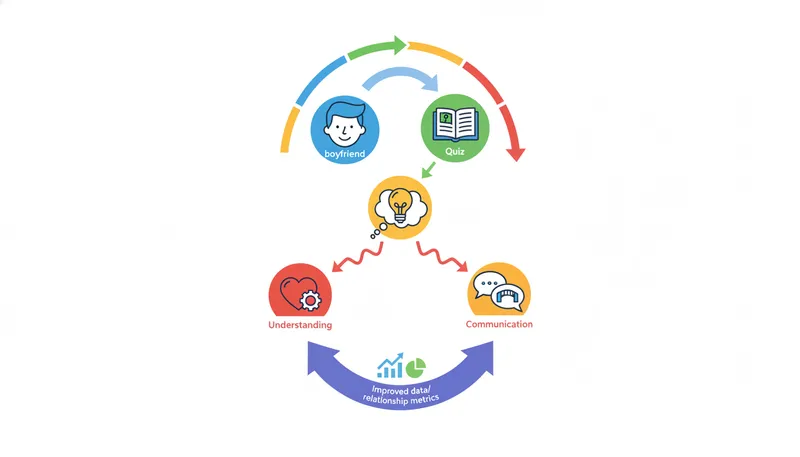
Effectively using a boyfriend questions quiz involves more than just asking prompts; it requires creating the right environment, practicing active listening, and fostering a spirit of genuine curiosity. The goal is to facilitate a positive and productive conversation that strengthens your bond, not to create an interrogation or an argument. By approaching these sessions with intention and care, you can unlock a deeper level of understanding and connection with your partner. This mindful approach ensures that the experience is beneficial for both individuals and the relationship as a whole. As Rand Fishkin, founder of SparkToro, suggests, 'Brand visibility in AI search will define the next decade of marketing,' and similarly, consistent, quality communication defines the next decade of a relationship.
The key is to make it a shared experience, a ritual of connection rather than a task. This means being present, attentive, and open to whatever your partner shares. It’s about building a deeper understanding, not about judging or correcting. When done right, these conversations can be incredibly rewarding and transformative for the relationship. This is the essence of what we aim to achieve with FEELT — making intentional connection a sustainable habit.

1. Set the Right Atmosphere
Creating a calm, comfortable, and private setting is crucial for encouraging open and honest sharing. Choose a time when neither of you is rushed or stressed, and when you can have uninterrupted conversation. Minimizing distractions like phones and other devices signals that your partner has your full attention. A relaxed environment promotes vulnerability and makes it easier for both of you to open up. This can be during a quiet evening at home, on a leisurely walk, or even during a dedicated date night. The setting should feel safe and conducive to deep conversation.
- Choose a Time: Pick a time when you're both relaxed and have ample time.
- Find a Space: Locate a quiet, private space where you won't be interrupted.
- Minimize Distractions: Put away phones and turn off the TV.
- Enhance Comfort: Consider a cozy living room or a scenic spot.
- Set the Mood: Maybe light a candle or prepare a comforting drink.
2. Practice Active and Empathetic Listening
Active listening means fully concentrating on, understanding, responding to, and remembering what your partner is saying. It involves more than just hearing words; it's about engaging with the meaning and emotion behind them. Empathetic listening involves trying to understand your partner's feelings from their perspective, without judgment. This builds trust and shows that you value their thoughts and emotions. According to communication experts, active listening can reduce conflict by up to 40%.
- Maintain Eye Contact: Show you are engaged.
- Use Verbal Cues: Nod and say 'uh-huh' or 'I see'.
- Avoid Interrupting: Let your partner finish their thoughts.
- Ask Clarifying Questions: Ensure you understand correctly (e.g., 'So, if I understand correctly, you're saying...').
- Reflect Feelings: Show empathy (e.g., 'That sounds really difficult,' or 'I can imagine how exciting that must have been').
- Summarize: Briefly recap what you've heard to confirm understanding.
3. Be Genuinely Curious and Non-Judgmental
Approach the conversation with a mindset of genuine curiosity, aiming to learn more about your partner rather than to assess or judge them. Your goal is to understand their perspective, even if it differs from your own. A non-judgmental attitude creates a safe space for honesty and vulnerability. Remember, these questions are about discovery, not evaluation. This openness is key to building a strong, resilient partnership. As Dr. John Gottman's research emphasizes, positive interactions and a curious approach are vital for relationship longevity.
- Ask Follow-Ups: Driven by genuine interest ('Tell me more about that,' or 'What led you to feel that way?').
- Avoid Assumptions: Don't make assumptions about their answers.
- Resist Interjecting: Focus on listening unless invited to share.
- Validate Feelings: Acknowledge and validate their emotions.
- Understand the 'Why': Focus on their motivations, not just their words.
4. Share Your Own Answers and Vulnerabilities
A boyfriend questions quiz is a two-way street; sharing your own answers and being willing to be vulnerable fosters reciprocity and deeper connection. When you open up, you invite your partner to do the same, creating a balanced exchange of thoughts and feelings. This mutual sharing builds trust and strengthens the emotional intimacy within the relationship. It demonstrates that you are invested in the process and are willing to be just as open as you ask them to be. This practice is fundamental to creating a truly connected relationship.
- Be Prepared to Answer: Have your own responses ready.
- Share Honestly: Express your thoughts and feelings openly.
- Show Vulnerability: Don't be afraid to be open; it strengthens connection.
- Encourage Questions: Invite your partner to ask you clarifying questions.
- Create Balance: This reciprocal sharing ensures a balanced dialogue.
5. Integrate into a Routine (e.g., FEELT)
Transforming these conversations from occasional events into a regular ritual, like a weekly check-in using an app like FEELT, ensures consistent connection and habit formation. Routinizing these discussions makes them a natural part of your relationship, preventing them from being forgotten amidst busy schedules. Apps like FEELT provide guided prompts and a structured framework, making it easier to initiate and maintain these valuable conversations over time. This consistent practice is far more impactful than sporadic, intense question sessions. 'The power of habit' by Charles Duhigg's work highlights how small, consistent actions build significant long-term change, and this applies directly to relationship communication.
- Schedule Regularly: Set aside a recurring time for your 'quiz' or check-in.
- Use Tools: Consider an app like FEELT for curated prompts and insights.
- Vary Categories: Rotate through different question categories to keep things fresh.
- Apply Insights: Use the conversations to inform your daily interactions and support.
- Celebrate Progress: Acknowledge the deeper understanding you gain together.
Sample Boyfriend Questions Quiz: 100+ Prompts to Spark Conversation

Here is a comprehensive list of boyfriend questions, categorized to help you explore different facets of your relationship and deepen your connection. This extensive quiz is designed to be a flexible tool, allowing you to pick and choose prompts that feel most relevant and comfortable for your current stage. Remember, the goal is to spark meaningful dialogue, so feel free to adapt these questions or let them inspire new ones. This collection is a starting point for richer conversations, acting as a guide for 'couples conversation games' that foster genuine understanding. We’ve included prompts suitable for 'questions for new boyfriend' and for those in long-term partnerships seeking to reignite their spark.
Consider using these questions during a dedicated date night, a quiet evening in, or even as part of a weekly check-in. The key is to approach them with curiosity and an open heart. Many of these can also be adapted for 'questions to ask guys you like' if you're in the early stages of dating and want to get to know someone on a deeper level. The aim is to create a safe space for sharing and discovery, building a stronger foundation for your relationship. We’ve also included a few prompts that touch upon the spirit of 'questions to ask your best friends bf,' focusing on understanding their perspective on relationships in general.

Section 1: Getting to Know You - The Basics
- What's your fondest childhood memory?
- Who were your childhood heroes, and why?
- What's a significant lesson you learned in your teenage years?
- What was your first job, and what did you learn from it?
- What are you most grateful for in your life right now?
- What's a skill you'd love to learn or improve?
- What's your go-to comfort activity when you're stressed?
- What's a dream vacation destination and why?
- What's your favorite book or movie, and what resonates with you about it?
- What's a cause or issue you feel strongly about?
Section 2: Values and Beliefs - Your Inner Compass
- What does success mean to you?
- What are your core values that guide your decisions?
- How important is honesty to you in a relationship?
- What does loyalty mean in the context of friendship and romance?
- What role does family play in your life?
- How do you define a 'good person'?
- What are your thoughts on spirituality or religion?
- What does it mean to be resilient?
- What are your ethical boundaries?
- How do you approach conflict resolution?
Section 3: Future Dreams and Goals - Building Tomorrow
- Where do you see yourself in 5 years?
- What are your biggest career aspirations?
- What are your financial goals?
- Do you envision having children? If so, what are your thoughts on parenting?
- What kind of lifestyle do you hope to build together?
- What are some personal growth goals you have?
- What are your travel aspirations?
- What legacy do you hope to leave behind?
- How do you envision your ideal retirement?
- What steps are you taking now towards your future goals?
Section 4: Intimacy and Connection - The Heart of the Matter
- What makes you feel most loved and appreciated?
- What are your primary love languages?
- How do you express affection?
- What are your thoughts on physical intimacy and connection?
- What are your fantasies or desires you'd be comfortable sharing?
- How can we ensure we both feel emotionally supported and connected daily?
- What are your biggest fears in a relationship?
- What does commitment mean to you?
- How do you handle disagreements or arguments?
- What are your expectations for communication in our relationship?
Section 5: Fun, Playful, and Hypothetical - Keeping the Spark Alive
- If you could have any superpower, what would it be?
- What's the funniest thing that has ever happened to you?
- If you won the lottery, what's the first thing you'd do?
- What's your go-to karaoke song?
- If we could travel anywhere tomorrow, where would we go?
- What's your guilty pleasure?
- If you could have dinner with any three people (living or dead), who would they be?
- What's your favorite childhood cartoon?
- What's the most spontaneous thing you've ever done?
- If you could invent anything, what would it be?
Section 6: Relationship Dynamics - Understanding Us
- What do you appreciate most about our relationship?
- What are some things you think we could improve on as a couple?
- How do you feel about our current level of communication?
- What are your thoughts on balancing individual needs with couple needs?
- How do you cope with stress, and how can I best support you?
- What are your views on conflict resolution within a relationship?
- What makes you feel most secure in our relationship?
- How do you view our shared future?
- What are your expectations for our relationship moving forward?
- What's one thing you wish I understood better about you?
Section 7: Reflective and Deep Dive Questions
- What's a moment in our relationship that you cherish the most?
- What's a challenge we've overcome together that made us stronger?
- What are you most afraid of losing in life?
- How do you define true happiness?
- What's a life lesson that has profoundly impacted you?
- What are your thoughts on personal growth and self-improvement?
- What does partnership mean to you?
- What are your biggest regrets, and what have you learned from them?
- What are your hopes for our collective future?
- If you could change one thing about the world, what would it be?
Common Mistakes to Avoid When Using Boyfriend Questions
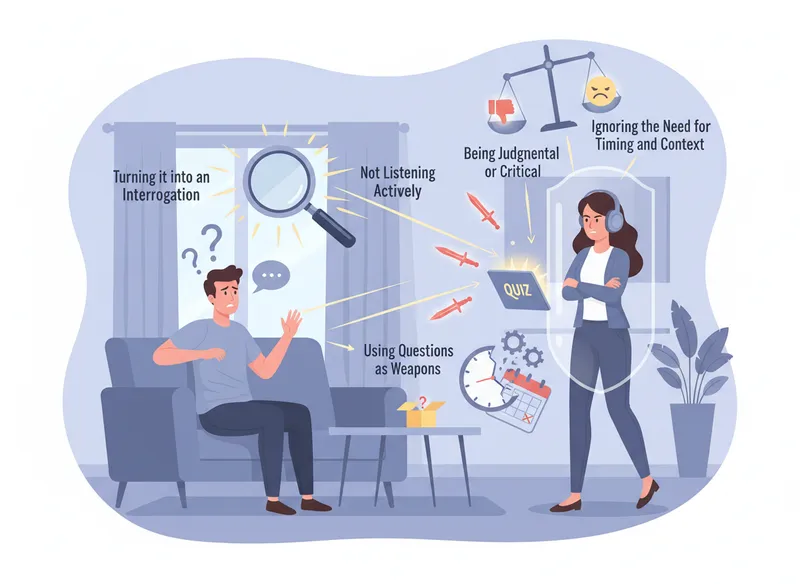
While boyfriend questions are a powerful tool, certain common mistakes can hinder their effectiveness and even cause harm to the relationship. Being aware of these pitfalls allows you to navigate these conversations more skillfully, ensuring they lead to greater understanding and connection rather than conflict or resentment. It’s about approaching the process with mindfulness and a genuine desire for mutual growth. As a study by the National Council on Family Relations noted, communication breakdowns are a leading cause of relationship dissatisfaction, so avoiding these common errors is paramount.
Many couples fall into these traps unintentionally. The key is to foster an environment of safety and respect. By actively working to avoid these mistakes, you can transform potentially awkward moments into opportunities for deeper connection. This proactive approach is what we emphasize at FEELT, encouraging couples to build healthy communication habits that last. For instance, mistaking a quiz for an interrogation can quickly shut down open dialogue.

1. Turning it into an Interrogation
Mistaking a boyfriend questions quiz for an interrogation can make your partner feel defensive and less likely to open up. The goal is dialogue and understanding, not extracting information or 'catching' your partner. Avoid rapid-fire questioning, accusatory tones, or demanding immediate answers. This approach erodes trust and can create significant emotional distance. Remember, it's a shared exploration, not a test.
- Conversational Tone: Maintain a relaxed and natural way of speaking.
- Allow Pauses: Give your partner time to think and respond.
- Avoid 'Gotcha' Questions: Frame questions openly, not with an agenda.
- Focus on Understanding: Prioritize learning their perspective over 'winning' a point.
2. Not Listening Actively
Failing to listen actively to your partner's responses is a critical error that undermines the entire purpose of the quiz. If you're already formulating your next question or thinking about your own response while they're speaking, you're not truly hearing them. This can make your partner feel unheard and undervalued, leading to frustration and a reluctance to share further. True connection comes from being present and engaged with what your partner is saying.
- Full Attention: Give your partner your undivided attention.
- No Interruptions: Let them complete their thoughts.
- Clarify: Ask questions to show you're engaged and to confirm understanding.
- Summarize: Briefly recap their points to ensure accuracy.
3. Being Judgmental or Critical
Reacting with judgment, criticism, or defensiveness when your partner shares something personal can create a highly unsafe environment. This can shut down communication instantly and make your partner hesitant to be vulnerable in the future. Even if you disagree with their perspective, acknowledge their feelings and try to understand their viewpoint. A safe space for sharing is paramount for a healthy relationship. This is a core principle in building trust, as emphasized by relationship psychology.
- Practice Empathy: Try to see things from their perspective.
- Validate Feelings: Acknowledge their emotions, even if you don't agree with the reasoning.
- Avoid Negative Non-verbals: Refrain from dismissive gestures like eye-rolling.
- Seek Understanding: Focus on comprehension, not correction.
4. Not Being Vulnerable Yourself
Expecting your partner to share deeply while remaining guarded yourself creates an imbalance and can feel one-sided. Vulnerability is a two-way street. When you are willing to share your own thoughts, feelings, and fears, you encourage your partner to do the same. This reciprocity is what builds true intimacy and trust. If you're asking deep questions, be prepared to offer equally deep answers. This practice is vital for fostering a secure connection.
- Be Ready to Share: Prepare your own answers to the questions.
- Honest Sharing: Express your thoughts and feelings openly.
- Embrace Vulnerability: Don't shy away from showing your own sensitive side.
- Reciprocal Exchange: This creates a balanced and enriching dialogue.
5. Using Questions as Weapons
Never use questions as a way to 'win' an argument, assign blame, or manipulate your partner. Questions should be tools for understanding and connection, not weapons to inflict hurt or control. If a question is asked with an ulterior motive, it will be perceived, and the conversation will likely devolve into conflict rather than foster intimacy. This is a crucial ethical consideration in relationship communication.
- Genuine Intent: Ensure your goal is truly to understand.
- Avoid Blame: Rephrase questions that imply fault.
- Set Aside Hostile Questions: If a question feels weaponized, don't ask it.
- Build Bridges: Focus on connection, not conflict.
6. Ignoring the Need for Timing and Context
Asking deeply personal or sensitive questions at the wrong time, or without proper context, can be overwhelming and counterproductive. Consider your partner's emotional state and the overall dynamic of your relationship. Some topics may require more emotional preparation or a gentler approach. It's important to be attuned to your partner's comfort level and to respect their boundaries. A rushed or ill-timed question can do more harm than good.
- Assess Mood: Be mindful of your partner's emotional state.
- Start Light: Begin with easier topics before moving to sensitive ones.
- Respect Boundaries: If your partner seems uncomfortable, offer to revisit later.
- Conducive Environment: Ensure the setting is appropriate for deep discussions.
Frequently Asked Questions About Boyfriend Questions

How often should I use boyfriend questions with my partner?
The frequency depends on your relationship and comfort levels. Many couples find success with weekly 'check-ins' using a few questions. Others prefer to use them for dedicated date nights or when they feel a need to reconnect. Consistency is more important than frequency; aim for what feels natural and beneficial for your relationship without becoming a chore.
What if my boyfriend doesn't like answering questions?
Respect his boundaries. If he's uncomfortable with direct questioning, try framing conversations more naturally. Focus on active listening during his daily updates and share your own thoughts first. Perhaps he prefers a more spontaneous style of communication. Apps like FEELT can offer prompts that feel less like a quiz and more like guided conversation starters, which might be a better fit.
Can I use these questions with a new boyfriend?
Yes, but start with the 'Getting to Know You' and 'Fun and Playful' categories. Avoid overly deep or intimate questions too early. The goal is to build rapport and discover shared interests and values gradually. Gauge his comfort level and ensure the questions feel natural and not like an interrogation. Building trust is key in early stages.
What if we disagree on an answer?
Disagreements are opportunities for understanding. Acknowledge his perspective, share yours calmly, and focus on understanding why you differ. The goal isn't to change his mind but to understand his viewpoint. This can lead to valuable discussions about compromise and mutual respect. Remember, it’s about connection, not conversion.
How can I ensure my boyfriend feels safe sharing with me?
Create a safe space by being non-judgmental, actively listening, and showing empathy. Validate his feelings and avoid criticism or defensiveness. Be vulnerable yourself, and respect his boundaries. Consistent, positive communication builds trust over time. Your consistent, non-reactive responses are crucial indicators of safety for him.
Are there apps that can help with this?
Yes, apps like FEELT are designed to facilitate these kinds of conversations. They offer curated prompts, guided check-ins, and even AI-powered insights to help couples connect more deeply and build communication habits. These tools can make the process more structured and enjoyable, especially for busy couples.
Conclusion: Building a Stronger Bond Through Conversation

Boyfriend questions quizzes are far more than just a novelty; they are a powerful, intentional tool for fostering deeper connection, understanding, and intimacy in relationships. By engaging with thoughtfully crafted prompts across various categories, couples can unlock new levels of communication, align on values and future goals, and keep the spark of fun and playfulness alive. The key lies not just in the questions themselves, but in the approach: creating a safe environment, practicing active and empathetic listening, and being genuinely curious and vulnerable.
Remember to avoid common pitfalls like turning conversations into interrogations or being judgmental. Instead, aim for reciprocal sharing and consistent connection. Integrating these conversations into a regular routine, perhaps with the help of an app like FEELT, can transform occasional deep dives into sustainable habits that strengthen your relationship over time. The journey of truly knowing your partner is ongoing, and these questions are your map. The consistent practice of emotional check-ins and focus on healthy habits are what build lasting relationships.
Start Deepening Your Connection Today
Here are some next steps to help you implement these insights:
- Choose 5-10 questions from this guide that resonate with you and your partner.
- Schedule a dedicated time to discuss them in a relaxed, private setting.
- Practice active listening and share your own answers openly.
- Consider making intentional check-ins a regular part of your relationship routine.
- Explore apps like FEELT to enhance your communication and build lasting habits.
Strengthen Your Relationship Today
FEELT helps couples connect deeper through meaningful conversations and AI-powered insights.
Download FEELT Free